Last updated November 21, 2026
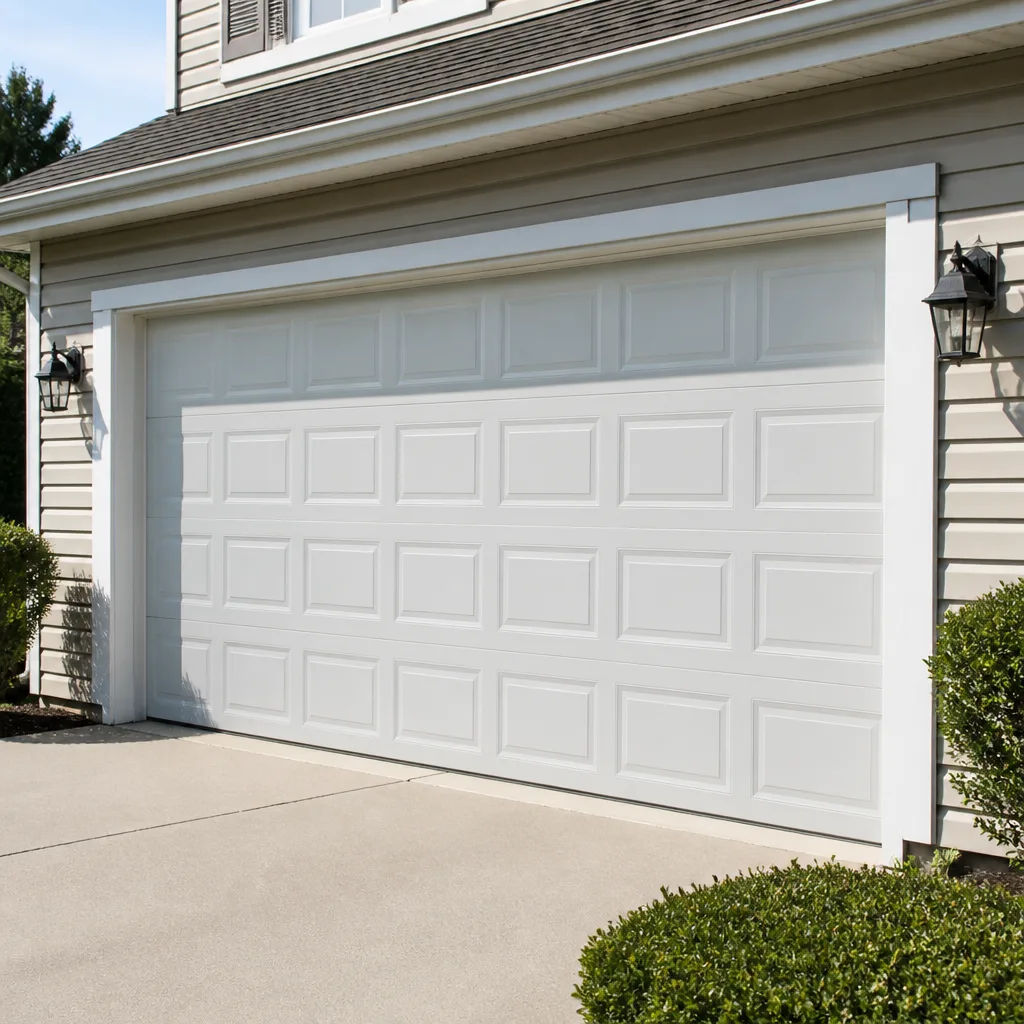 Raised-panel steel
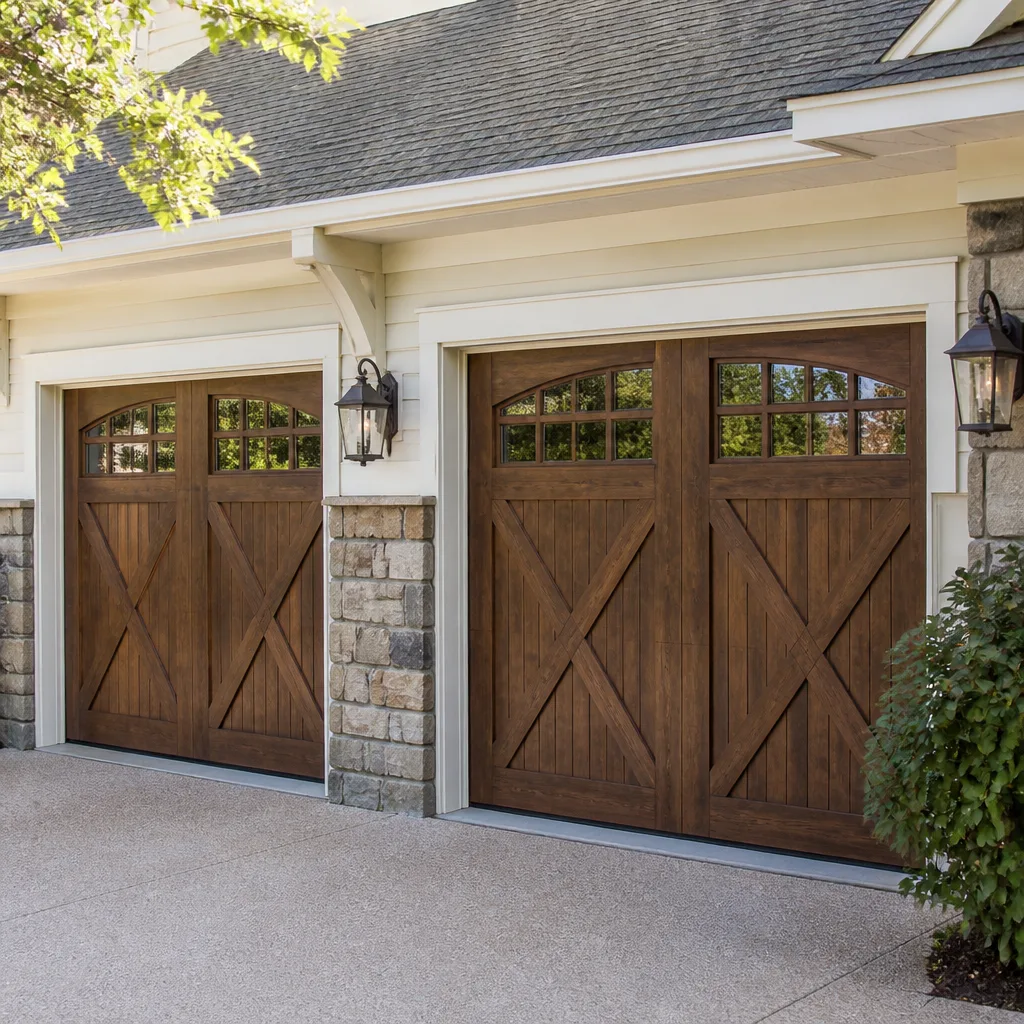 Carriage house
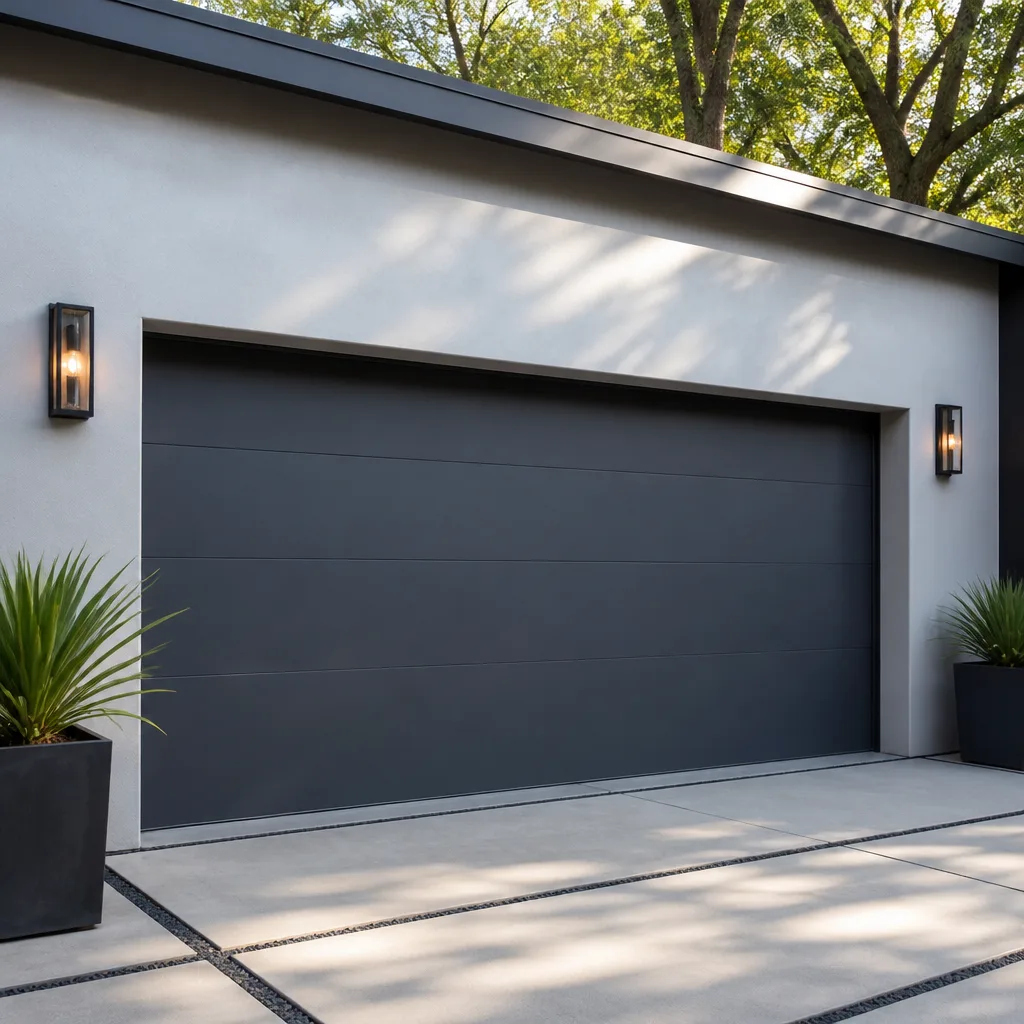 Modern flush
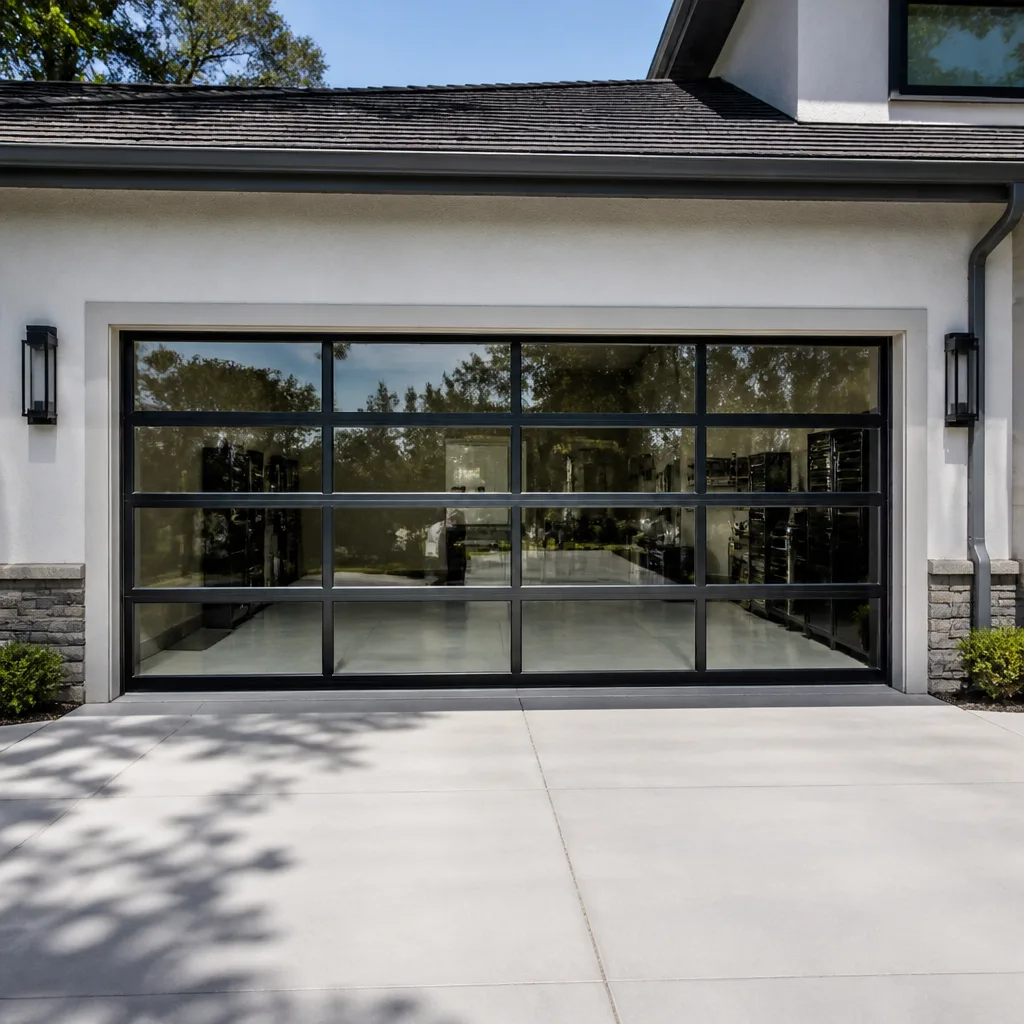 Full-view glass
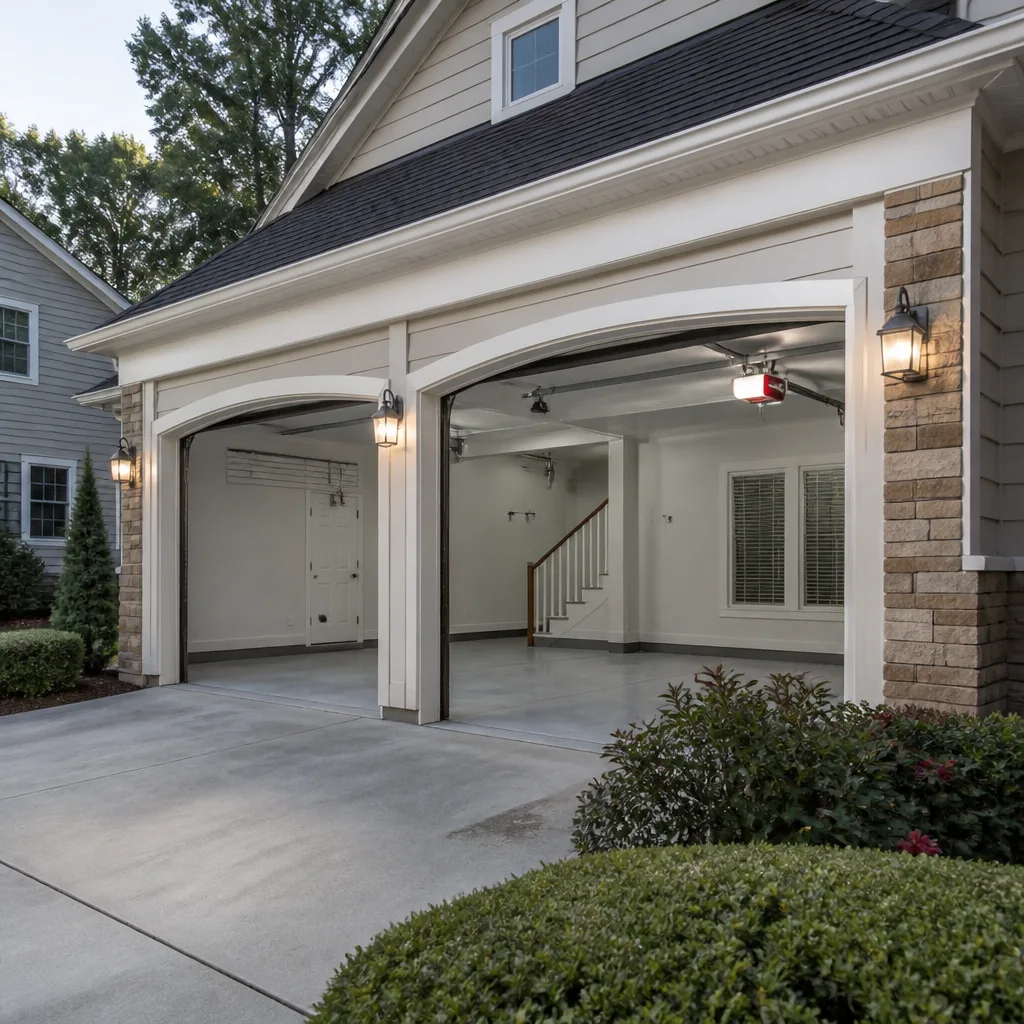 LiftMaster openers
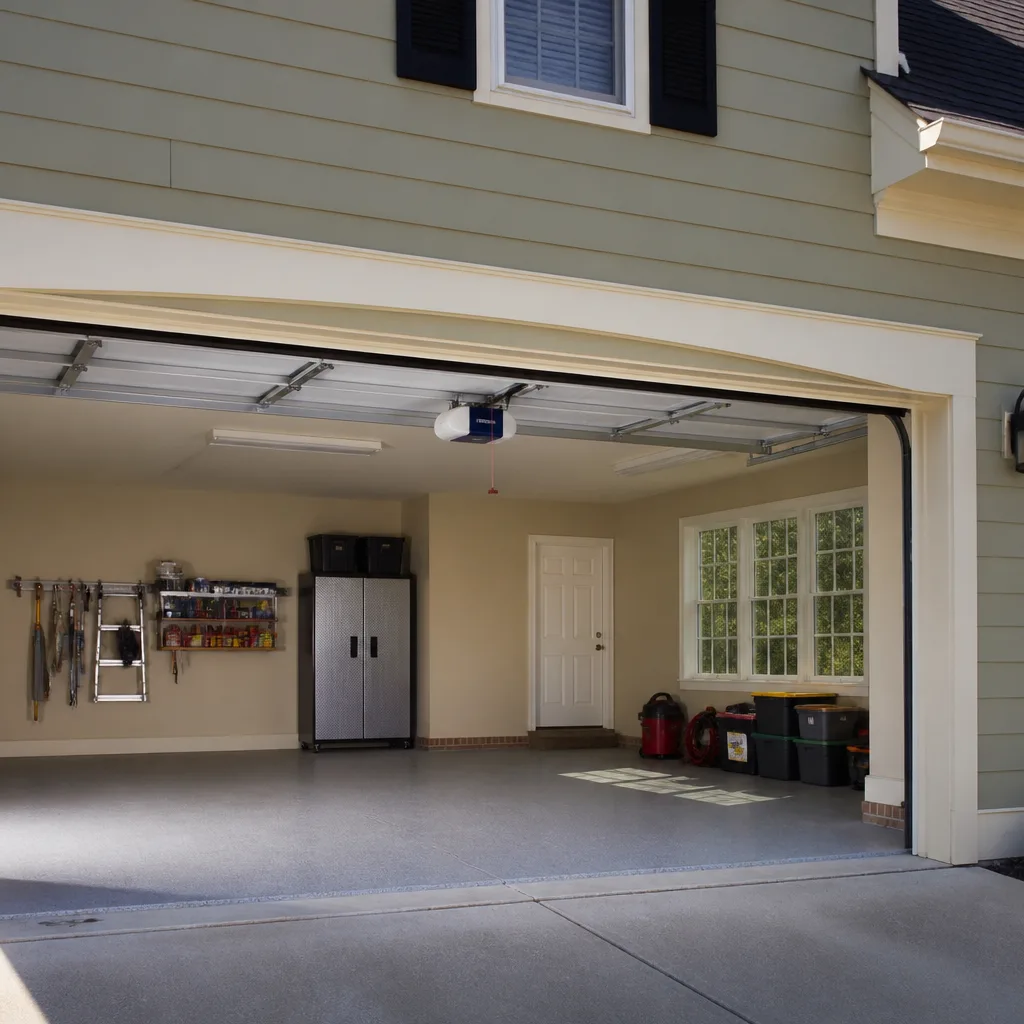 Chamberlain openers
Full 25-point door and opener safety check with every visit - springs, cables, rollers, tracks, and your LiftMaster or Chamberlain opener included
You get a price before we start. It does not change when the pro arrives.
Get your free estimateDIY vs Professional Garage Door: The Delray Beach Homeowner’s Decision Guide
Torsion springs store enough energy to cause permanent injury in a fraction of a second. But lubricating your rollers, replacing a bottom seal, or reprogramming your opener remote are tasks any homeowner can handle safely. Most guides either overstate the danger of everything or understate it, and Delray Beach homeowners need to know exactly where the line is. This guide draws that line precisely: which tasks you can do yourself, which ones warrant a trained technician, and why the answer is rarely the vague “consult a professional” hedge you get everywhere else. By the end you’ll know what’s genuinely safe, what voids a warranty, and what winds up costing more when DIY goes wrong.
Styles & brands we work with
- Raised-panel steel
- Carriage house
- Modern flush
- Full-view glass
- LiftMaster openers
- Chamberlain openers
Quick Answer
Anything involving torsion or extension springs, cables, cable drums, or the door’s wind load classification is professional work, full stop. Cosmetic repairs, seals, roller lubrication, and opener remote programming are safe for most homeowners. The gray zone is everything else, and that’s where a written estimate from a specialist beats a guess. In Palm Beach County, any change to your door’s wind bar or track anchoring is also a permitting question, which pushes those tasks further toward the professional column.
Table of Contents
- Where the Real Line Sits: Energy, Liability, and Code
- The Task Classification Table
- Florida-Specific Factors That Change the Answer
- Warranty Voiding Risk: Which Brands Care and Which Don’t
- True Cost Comparison: When DIY Saves and When It Doesn’t
- The Tools and Parts Reality Check
- Where a Specialist Fits Across the Door’s Life
- Common Mistakes to Avoid
- When to Call a Professional
- Frequently Asked Questions
- The Bottom Line
Where the Real Line Sits: Energy, Liability, and Code
The DIY versus professional question for garage doors is not about skill level. It’s about which tasks carry physical danger, which carry code liability, and which carry warranty implications that make amateur execution genuinely inadvisable. A homeowner who’s handy with a circular saw can still be a bad candidate for a spring replacement, because the danger scales with stored energy rather than with handiness.
A torsion spring on a standard residential door holds a tremendous amount of stored rotational force. When it fails under load, it releases that force in a fraction of a second and without warning. There’s no controlled way to bleed that energy off with hand tools and a YouTube tutorial. The windings, the winding bars, the set screws, all of it has to be managed by someone who has done it enough times to feel the tension. These are the same failure modes every general repairman knows about, which is why many decline spring work outright.
Liability enters next. A garage door is the largest moving object on most homes. When it’s bolted to the frame with specific wind-load hardware, that hardware is part of the building envelope from a safety standpoint, not just a convenience feature. Any change to the anchoring of that door can affect how it behaves in a storm, and in a county with adopted wind provisions, that change is a building department question rather than a homeowner’s judgment call.
Warranty sits on top of all of it. Some manufacturers void coverage when the installer isn’t documented; others allow owner service if it’s recorded. We work with the major brands every week and we’ll explain the difference below. First, the line itself.
The Task Classification Table
This is the part most DIY guides leave out. Instead of hedging, here’s a plain classification with the technical reason for each placement. If a task isn’t on the safe list, treat it as a signal to get a technician out to look.
Safe DIY (low risk, no code implications)
- Lubricating rollers, hinges, and tracks. A silicone-based lubricant applied along the roller stems and hinge pivots keeps travel smooth. No tension release, no adjustment.
- Replacing the bottom weather seal. The bottom seal slides into the retainer on the door’s bottom section. Pull the old one, slide the new one, tuck the ends. No spring interaction.
- Reprogramming a remote or keypad. On LiftMaster and Chamberlain openers, this is a hold-the-button sequence on the motor head. On a Craftsman, it’s usually a learn button on the back panel. Nothing dangerous happens if you get it wrong, it just doesn’t pair.
- Replacing opener remote batteries. Obvious, but worth naming so you’re not calling a technician for it.
- Light cleaning and visual inspection. Wiping down panels, checking for fraying cables or popped rivets. Look at the hinges and rollers while you’re there.
- Cosmetic panel touch-ups. A scratched panel or a small dent on a steel door can be sanded and painted. Cosmetic only, no structural repair.
Requires Caution (do it only if you understand the failure mode)
- Adjusting the opener’s travel limits and force settings. If the door reverses on a block of wood, that’s a signal to adjust. Get it wrong and you’re overriding a safety reverse. Follow the brand manual exactly or leave it to a technician.
- Replacing rollers on your own. Doable with the door fully up and tension off the roller brackets. A single roller swap while the door is open is not the same as replacing a full set, and this is where the line blurs.
- Replacing a bent hinge on a section that has never carried tension. This is only sound if the door is in the open position with no cable tension on that hinge. If there’s any doubt, stop.
- Painting exterior panels. Safe in general, but painting over a damaged seam or a cracked section hides the failure.
Professional Only (safety, code, or warranty)
- Torsion and extension spring replacement or adjustment. Highest stored energy in the system. Do not attempt.
- Cable replacement. Cables carry the door’s weight. A cable that slips or snaps under load can whip and cause serious injury.
- Bottom bracket and cable drum replacement. Both are under direct cable tension.
- Track straightening, re-anchoring, or replacement. A bent track affects balance and can cause the door to fall. Anchoring carries wind-load implications.
- Panel replacement on a multi-section door. Realigning a section requires spring tension release, and a poor fit can strain the hinges.
- Wind bar or wind brace installation. In Florida, this is a permit-and-inspection question. Any change to the door’s wind load classification belongs in this column.
- Opener motor replacement or gear and sprocket work. The drive system interacts with balance; a mis-set opener on an unbalanced door wears both out faster.
Florida-Specific Factors That Change the Answer
Delray Beach sits in a county where the adopted building code treats garage doors as part of the opening protection. That single fact moves several tasks that would be “caution” elsewhere straight into “professional only” here. It isn’t about hurricanes specifically; it’s about the door as a rated assembly with hardware that matters.
Wind brace installation is the clearest example. A wind bar, wind beam, or retrofit brace kit isn’t just an extra piece of metal. It changes how the door is rated and how it’s anchored. Most cities in Palm Beach County require a permit for this work, and the installation typically needs to be inspected before it counts. That’s not a step a homeowner can shortcut, and it isn’t something to leave undocumented. Ask your city’s building department what the local requirement is for your address; the answer can vary.
Spring replacement on a high-cycle door is another Florida-specific case. High-cycle doors are common on homes where the garage is the primary entry point, which is most of Delray Beach. A standard spring is designed around a certain number of cycles, while a high-cycle spring carries a higher rated count. Installing a high-cycle spring safely means matching it to the door’s actual weight and the drum’s cable length, and getting it wrong means the door either won’t balance or will fail early under a heavier load. That margin is already tight on a standard door, and a high-cycle door widens it in the wrong direction.
Any work that changes the door’s wind load classification, whether that’s a new panel, a new track anchoring pattern, or a retrofit brace, is a permit item. Ask the city. When in doubt, get a technician out to look at the door before a permit application.
Warranty Voiding Risk: Which Brands Care and Which Don’t
The warranty question is specific, and the brand on your door usually determines it. Most homeowners we talk to assume DIY voids everything, which isn’t true, and some assume it voids nothing, which is worse. Here’s how it typically plays out by brand.
Clopay doors are commonly installed by dealers, and their warranties are generally written around dealer installation. A repair performed by someone other than a dealer on a door still under warranty can affect coverage for that portion, so check the specific warranty document that came with the door before touching a panel or a hinge assembly. If you don’t have the original documents, ask whoever installed the door to pull the record.
Amarr doors are similar. The warranty terms usually distinguish between manufacturer defects and installation work, and owner-performed repairs on panels or hardware may not void the whole warranty but will generally exclude the affected part. A panel swap performed incorrectly might leave you without warranty on that section only, while a spring replacement that was already a professional-only task doesn’t touch the warranty at all because it’s expected.
LiftMaster and Chamberlain openers are the other side. Their manuals typically include troubleshooting and travel limit adjustment steps as normal owner maintenance. Changing a remote, adjusting force, and replacing a backup battery are expected. Opening the motor housing or replacing the gear and sprocket is a professional task and can affect coverage on the motor. We diagnose and repair both brands, so a quick call narrows down which side of the line you’re on.
If you’re keeping records, keep the receipt and take a photo of the part before and after. Documentation matters more than people think when a warranty claim eventually comes up. When in doubt, ask before you start.
True Cost Comparison: When DIY Saves and When It Doesn’t
DIY saves money in predictable places. It costs more in others, and the cost isn’t just the part you bought, it’s the secondary components a bad repair damages. Here’s the pattern we see repeated in Delray Beach.
Where DIY genuinely saves:
- Bottom seal replacement. The seal is inexpensive and the job is straightforward. Save the labor call.
- Remote or keypad replacement. A new remote from a LiftMaster or Chamberlain retailer is a five-minute pairing. No call needed.
- Roller lubrication. Cheap, no risk, and it extends the life of the rollers and hinges.
- Cosmetic touch-ups. A scratch or small dent that only affects appearance is a homeowner job.
- Battery replacement in a keypad or remote. Trivial.
Where DIY costs more than it saves:
- Spring replacement done wrong. A spring sized incorrectly can bend the shaft, wear the bearings, or unbalance the door. The repair bill after a bad attempt usually climbs once a bent shaft or damaged drum is added to the job.
- Cable work. A cable that slips off a drum can scar the drum and bend a track. Both are on top of the original cable call.
- Track adjustment. Forcing a bent track straight by hand often bends the mounting brackets, which then have to be replaced.
- Opener force and travel adjustment. Overriding safety reverse is a safety issue first and a repair issue second: a door that doesn’t reverse can crush, and a motor that fights an unbalanced door wears out its gear and sprocket early.
- Panel replacement. A poorly aligned panel stresses the hinges and can crack the adjacent section.
Our technicians have up to 10 years of experience, and the pattern is consistent. The job that was almost done right is the expensive one, because it damages a second part before the homeowner stops and calls. Every price in Delray Beach is quoted and agreed before any work starts, so the written estimate is the price.
The Tools and Parts Reality Check
YouTube makes the parts look interchangeable. They aren’t. A spring is specified by wire gauge, inside diameter, and length, and all three have to match the door’s weight and drum. A cable is specified by its diameter and its winding pattern. A drum is specified by its radius, and a mismatched drum changes how the cable winds and how the door balances.
The tools for the job are just as specific. Torsion work requires winding bars sized to the spring’s inside diameter. Standard winding bars don’t fit every spring. A track adjustment requires a level and, on a re-anchor, a drill with the right fastener for the frame material. A door with a broken cable often needs a puller for the drum. None of this is exotic, but the collection is more than a typical homeowner owns, and getting any of it wrong (particularly a spring or a drum) is where a small imbalance turns into a damaged door.
Matching the part to a Wayne Dalton or Raynor door often means knowing the model line, because the door sections and hardware differ enough between product families that a guessed-at part may not fit. We work with the brand you already have, which is why we can match the correct spring size, drum, and hinge to the actual door without a good guess. If you’re going to attempt a repair, the first step is finding the model plate on the door’s interior and calling the manufacturer or a technician for the matching spec. If you can’t find the plate, the repair has moved into the professional column.
Where a Specialist Fits Across the Door’s Life
A garage door doesn’t have one failure mode; it has several, and they happen at different points in the door’s life. A directory of repair shops won’t help you plan for that, but a specialist who handles the whole lifecycle will. It’s helpful to think in phases.
- Repair phase. Springs, cables, tracks, and rollers fail from use. This is where the task classification matters most. Our garage door repair work covers all of it, and the spring call in particular is the one general handymen often decline. If the door is stuck open or a spring has snapped, that’s the scenario where a technician can get you back on track before the morning commute.
- Drive system phase. Openers wear, remotes get lost, and smart-home integration changes what “working” means. garage door opener repair covers the motor, the remote, the travel and force settings, and the smart integration on LiftMaster and Chamberlain/myQ units, alongside legacy Craftsman and Genie systems.
- Replacement phase. A door that’s been repaired several times eventually passes its reasonable service life. garage door installation handles the measurement, the model selection, and the wind-load permitting step. Clopay, Amarr, Wayne Dalton, and Raynor doors span value to premium, so a recommendation can be matched to the budget without a brand bias.
- Emergency phase. A door stuck open at night is a security issue, and a door that won’t open is a commute issue. Emergency service is a core part of the work, not an upsell, and same-day dispatch is available from 7am to 7pm.
One provider across all four phases means a homeowner doesn’t need a separate installer, a separate opener tech, and a separate repair crew. If you want the full picture of what a repair call involves, the Delray Beach Garage Door Repair Pros homepage lays out the service lineup. Free estimates are available for every job.
Common Mistakes to Avoid
- Treating a torsion spring like a handyman job. If a general repairman quotes the work, ask whether they’ve done torsion springs professionally and whether they carry the right winding bars. A quote without those two answers is a quote to avoid. The danger to the person doing the work is real, and a mis-sized spring damages the shaft.
- Forcing a bent track back into line by hand. A bent track usually means the anchor pulled or a panel is out of square. Forcing it straight bends the brackets along with it, and the repair grows.
- Overriding the opener’s safety reverse to “make it close.” This is the single most dangerous DIY move on the door. If the door won’t reverse on an object, the problem is a balance or travel issue, and the answer is to diagnose it, not to disable the safety.
- Ordering a spring by eye instead of by spec. Wire gauge, inside diameter, and length all have to match. The correct order starts with the model plate on the door’s interior and a call to the manufacturer or a technician.
- Installing a wind brace without a permit. In Palm Beach County, a wind retrofit is a permitting item. Skipping the permit may leave the door’s rated classification unproven, and that is a question no homeowner wants to answer later.
- Assuming every manufacturer voids warranty for DIY. Most don’t. Check the specific warranty document for your LiftMaster or Clopay door before assuming the worst or the best. Keep the receipts if you do the work.
- Painting over a damaged section. A coat of paint hides a crack or seam split that should have been addressed. In Delray Beach’s humid climate, the water intrusion under a hidden crack is what fails the panel, not the paint itself.
When to Call a Professional
Call a professional when the task involves springs, cables, drums, bottom brackets, track anchoring, or the door’s wind load classification. Call if the door won’t reverse on an object, if a cable is frayed, if the door is visibly out of balance, or if a repair attempt has already damaged a second part. Call if you can’t find the model plate on the door’s interior, because that’s usually a signal the spec-matching task is more than a homeowner can do alone. Call if a panel is out of square, if the door has come off the track, or if the opener’s motor housing needs to be opened.
Delray Beach Garage Door Repair Pros offers free estimates in Delray Beach. Call (855) 393-4914 for an appointment, and the price quoted and agreed before work starts is the price. Same-day dispatch runs 7am to 7pm for repair and emergency calls. Our technicians have up to 10 years of experience, and we service the major brands including LiftMaster, Chamberlain, Genie, Clopay, Amarr, Wayne Dalton, Craftsman, and Raynor. From a broken spring to a brand-new door, the work is a single call.
Frequently Asked Questions
No. Torsion and extension springs store enough energy to cause permanent injury in a fraction of a second, and there’s no controlled way to release that energy safely with hand tools. A mis-sized spring also damages the shaft and bearings, so the DIY attempt often grows the final bill. Call (855) 393-4914 for an exact quote; estimates are free.
It depends on the manufacturer and the specific warranty document. Clopay and Amarr warranties generally distinguish between manufactured defects and the work performed, so an owner-performed repair may exclude the affected part from coverage without voiding the whole warranty. LiftMaster and Chamberlain manuals typically treat travel and force adjustment as expected owner maintenance. Check the document for your door, and keep receipts. If you’re unsure, call us and we’ll help you read it.
Yes, and it’s one of the most useful ones. A silicone-based lubricant on the rollers and hinge pivots a couple of times a year keeps travel smooth and extends roller life. Don’t lubricate the tracks; tracks should stay dry and clean. Call (855) 393-4914 for an exact quote on anything beyond lubrication; estimates are free.
Most cities in Palm Beach County require a permit for wind retrofit work that changes the door’s wind load classification, and inspection is typically part of the process. Ask your city’s building department for the requirement for your address, since the details can differ. Call (855) 393-4914 for a free estimate on the work itself.
Spring repair for one spring typically falls in the $180 to $340 range, and a matched pair is usually replaced together at about twice that. The price is quoted and agreed before work starts, so the written estimate is the price. Call (855) 393-4914 for an exact quote; estimates are free.
No, not safely. Panel replacement on a multi-section door requires spring tension release, realignment of the section within the track, and a fit that doesn’t stress the hinges. A misaligned panel cracks the adjacent section, and the warranty question on Clopay and Amarr doors gets complicated. Call (855) 393-4914 for an exact quote; estimates are free.
The Bottom Line
The DIY column is real and useful: seals, remotes, lubrication, cosmetic touch-ups, and visual inspection save money without risk. Springs, cables, drums, bottom brackets, track anchoring, wind braces, and panel replacement belong in the professional column, because the risk to the person doing the work is real and the risk to the door’s warranty and classification is specific. Florida adds a permitting step to anything that changes the door’s wind load classification, and Delray Beach homes sit inside that rule. When the task is in the middle, get a free estimate and let a technician look at it. A written price beats a guess every time. Call (855) 393-4914 for an exact quote on your Delray Beach garage door.
Written by the team at Delray Beach Garage Door Repair Pros.
See the difference
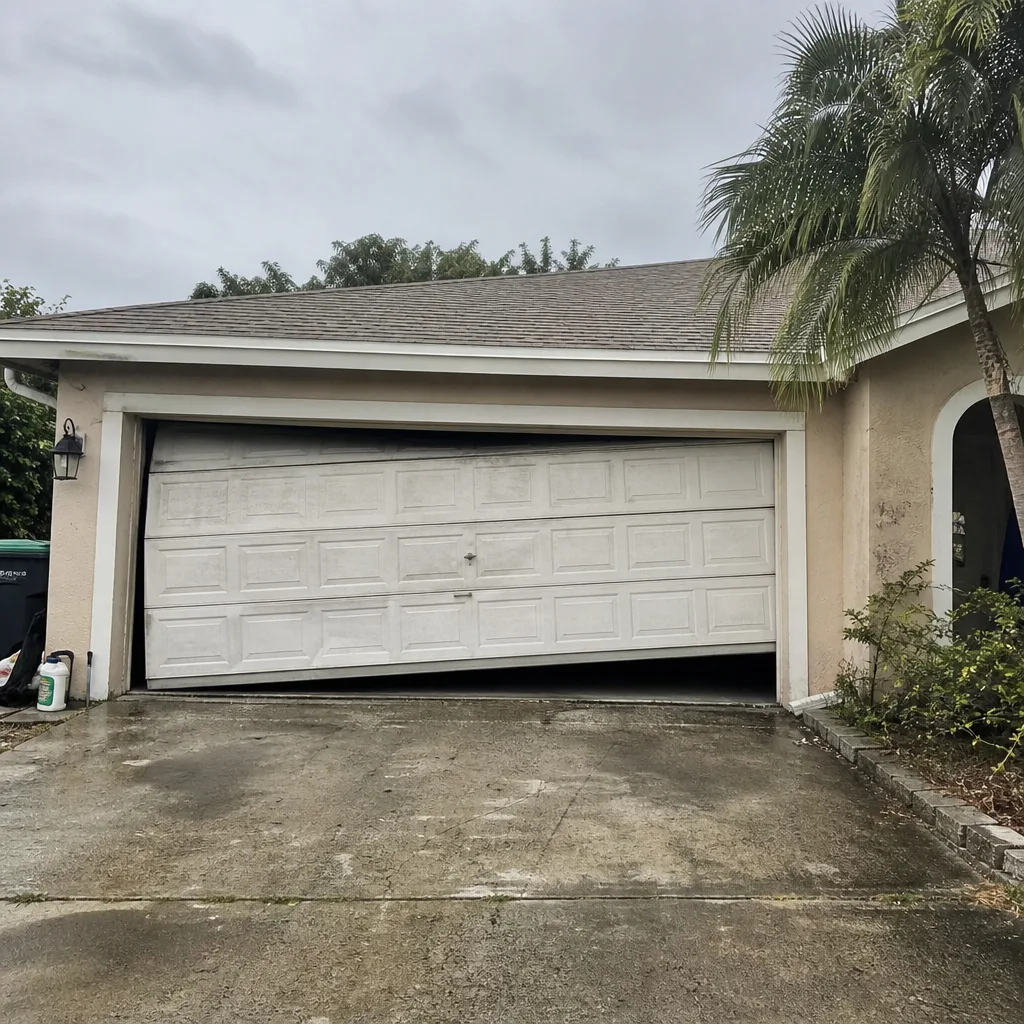 Before
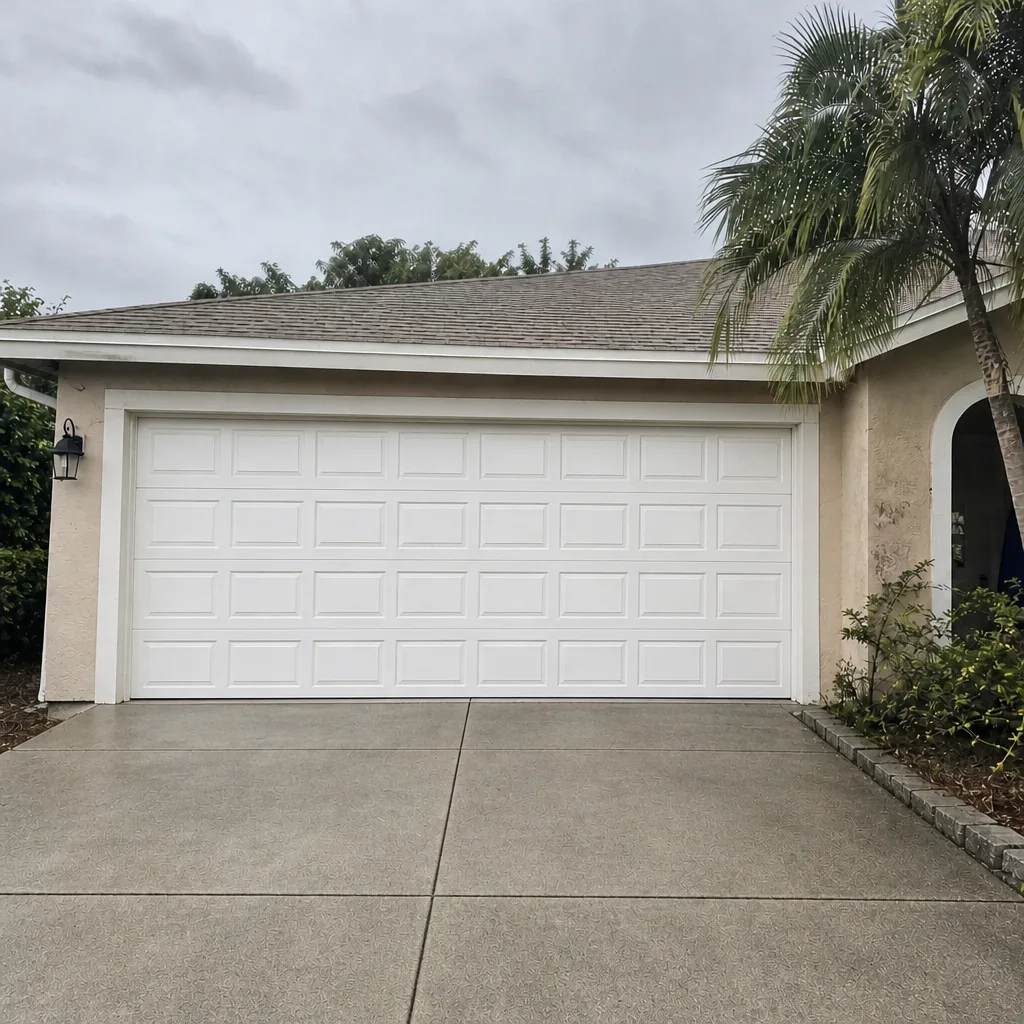 After
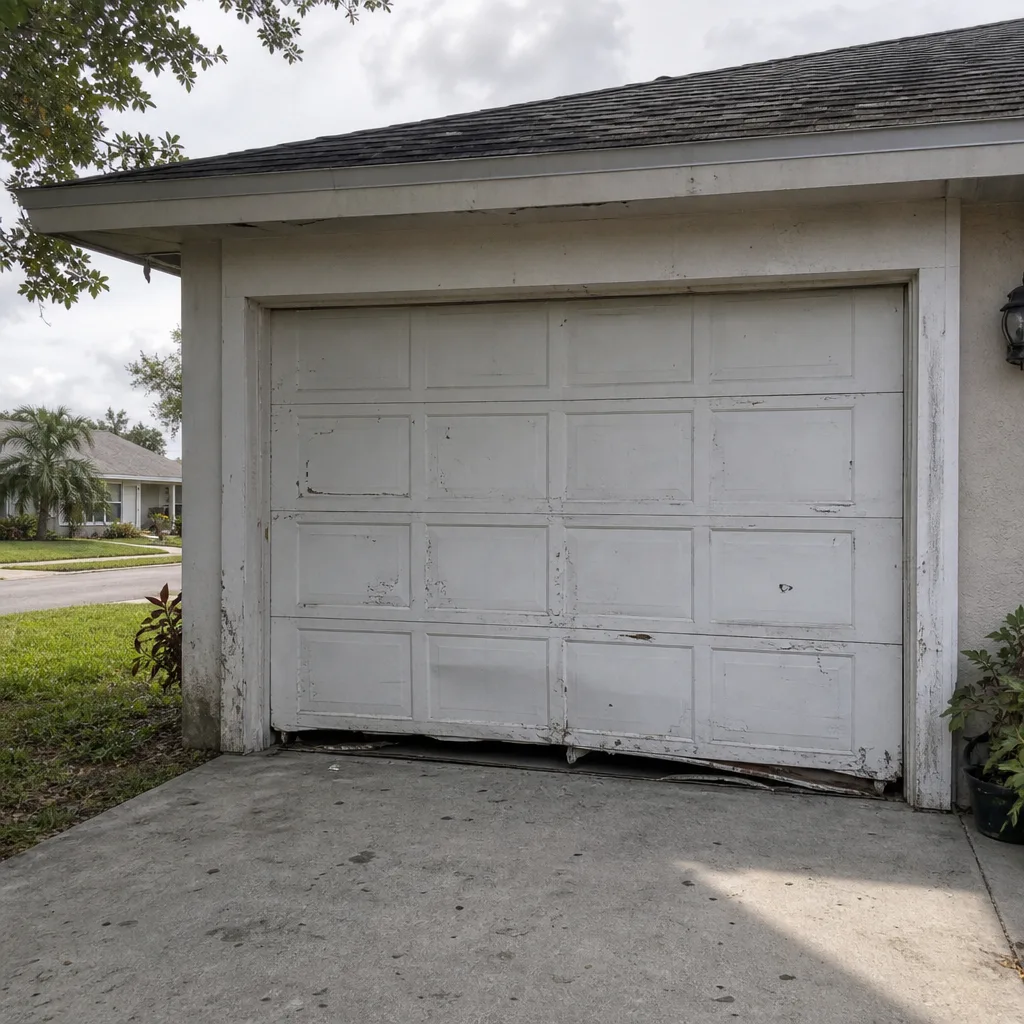 Before
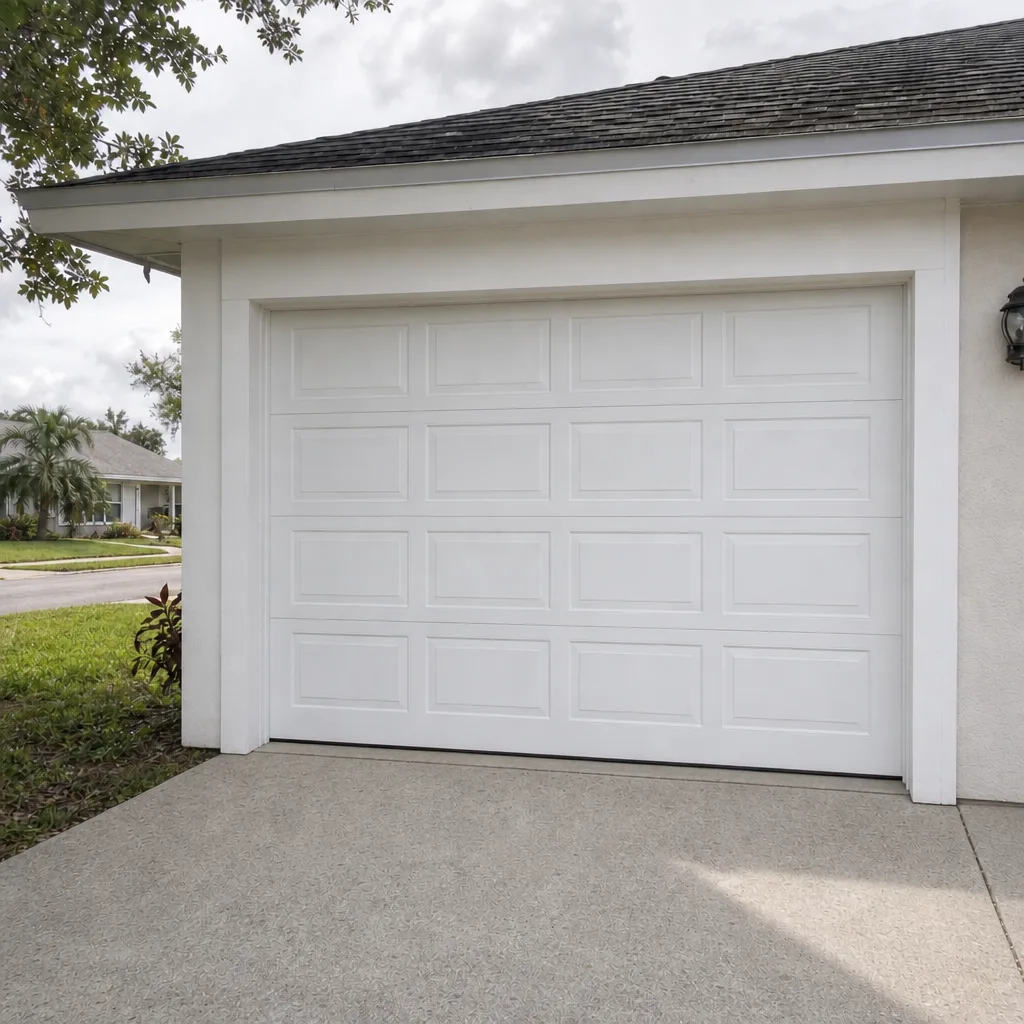 After
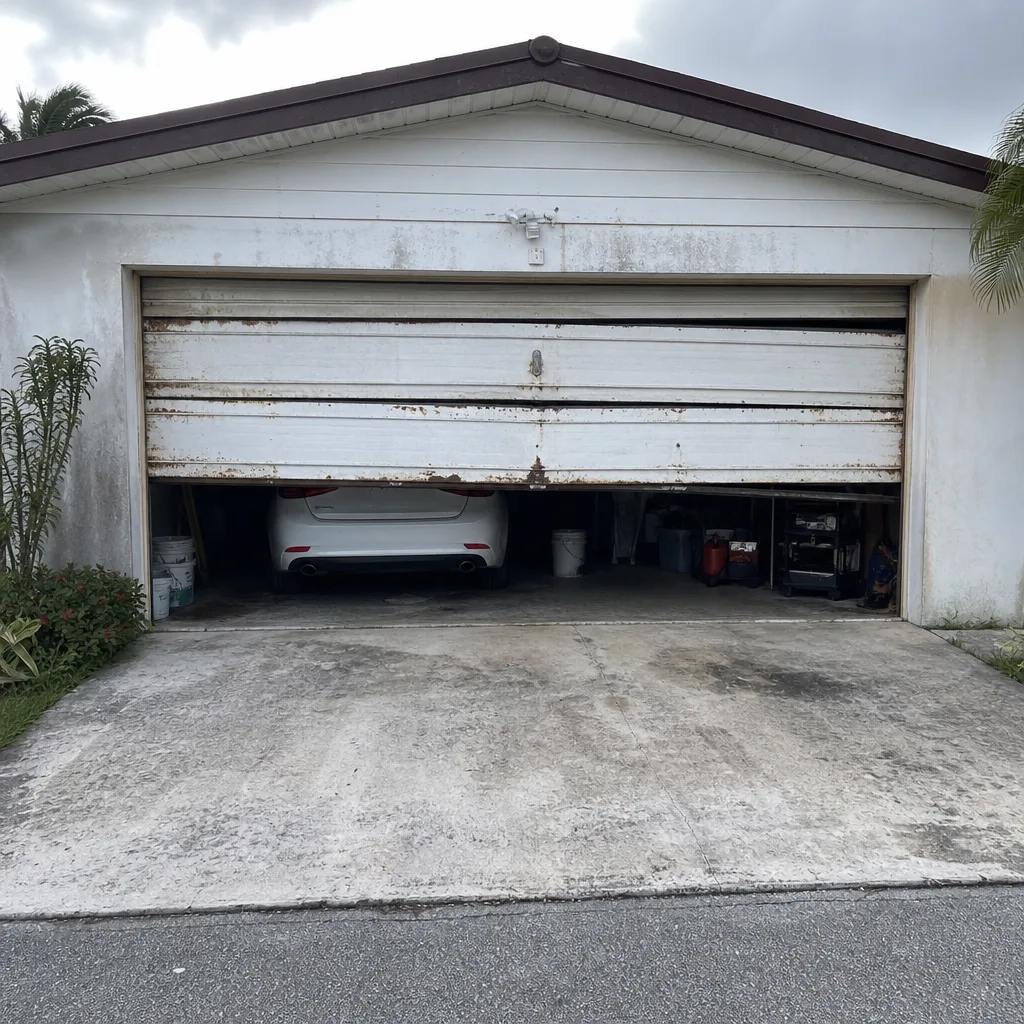 Before
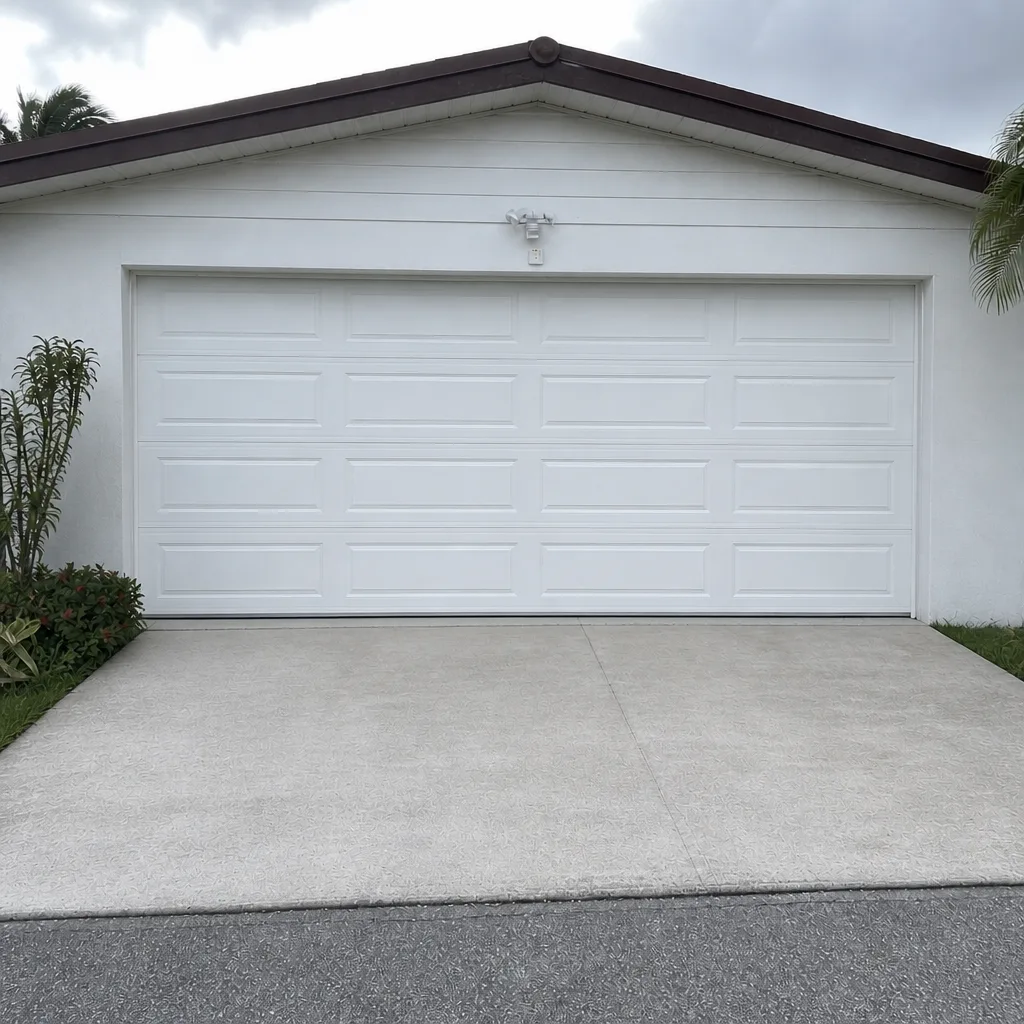 After