Last updated November 21, 2026
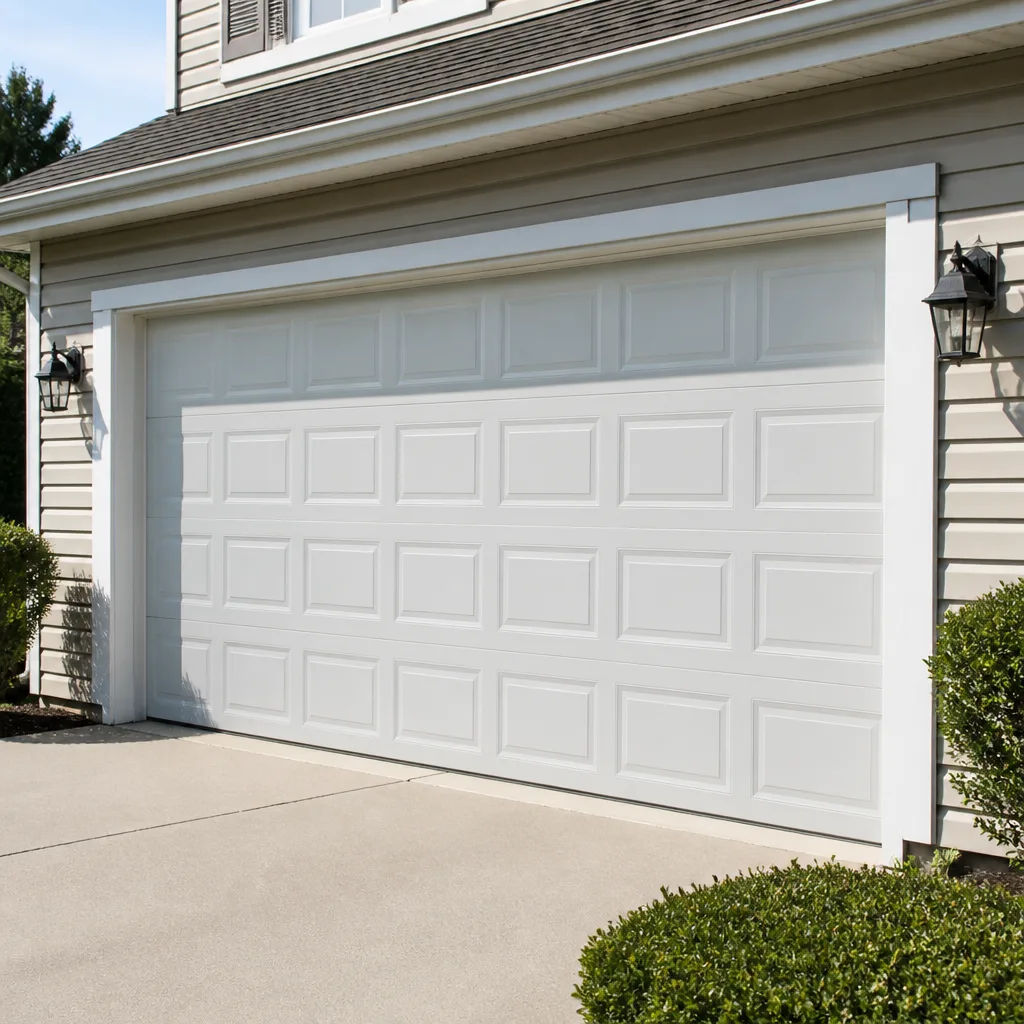 Raised-panel steel
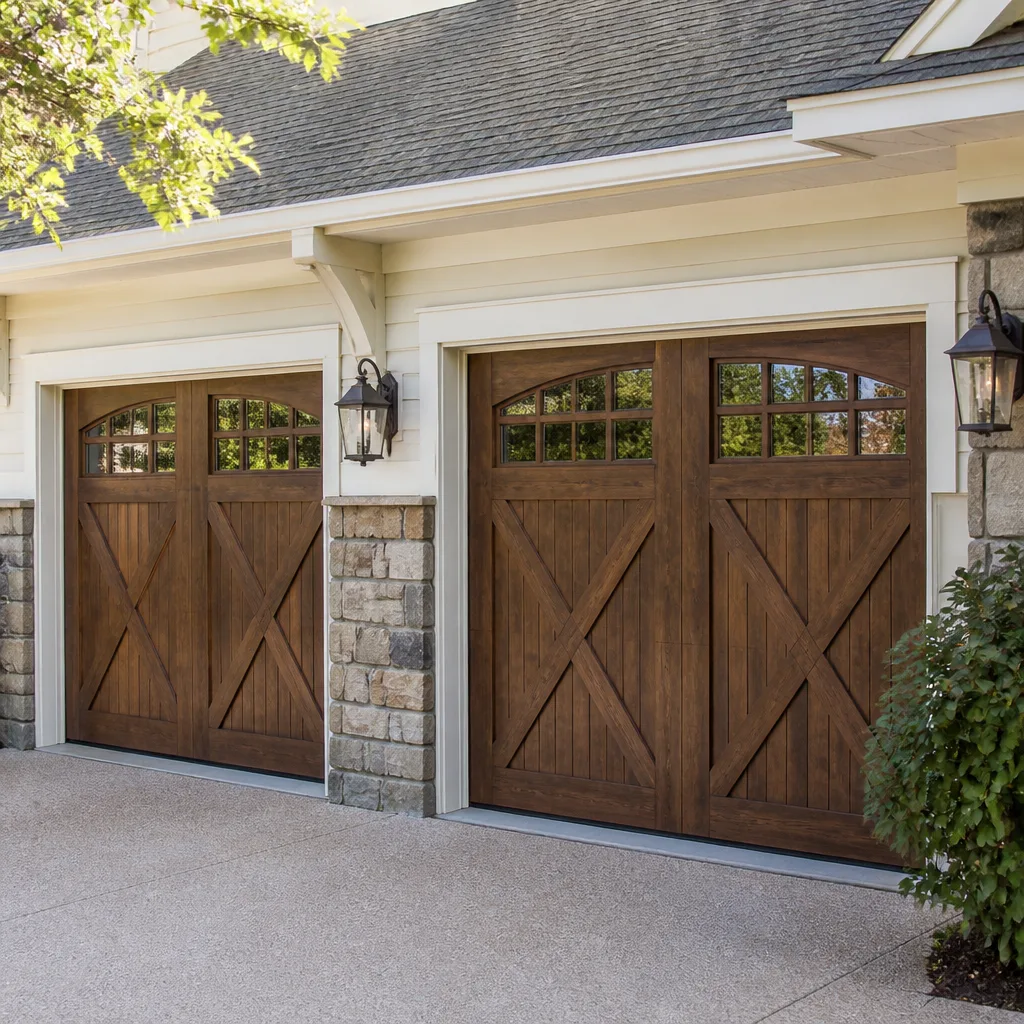 Carriage house
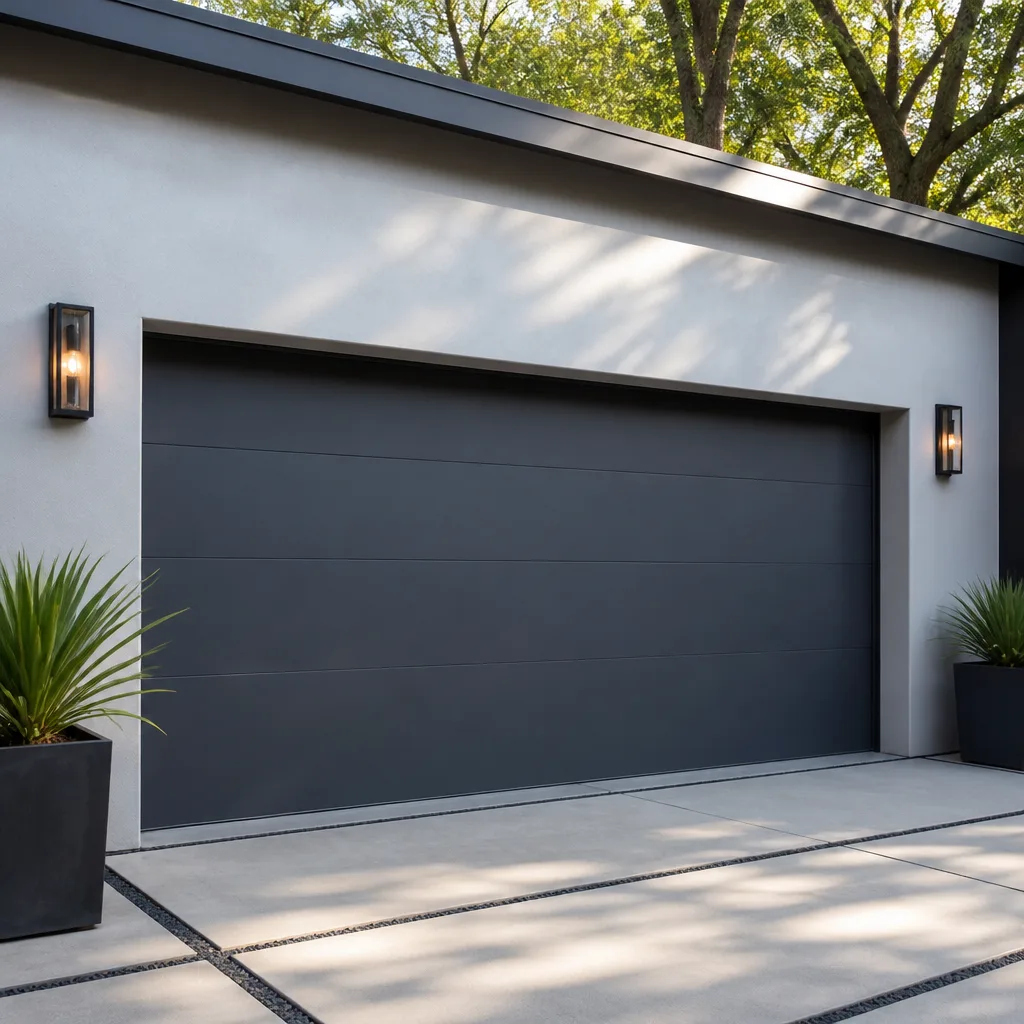 Modern flush
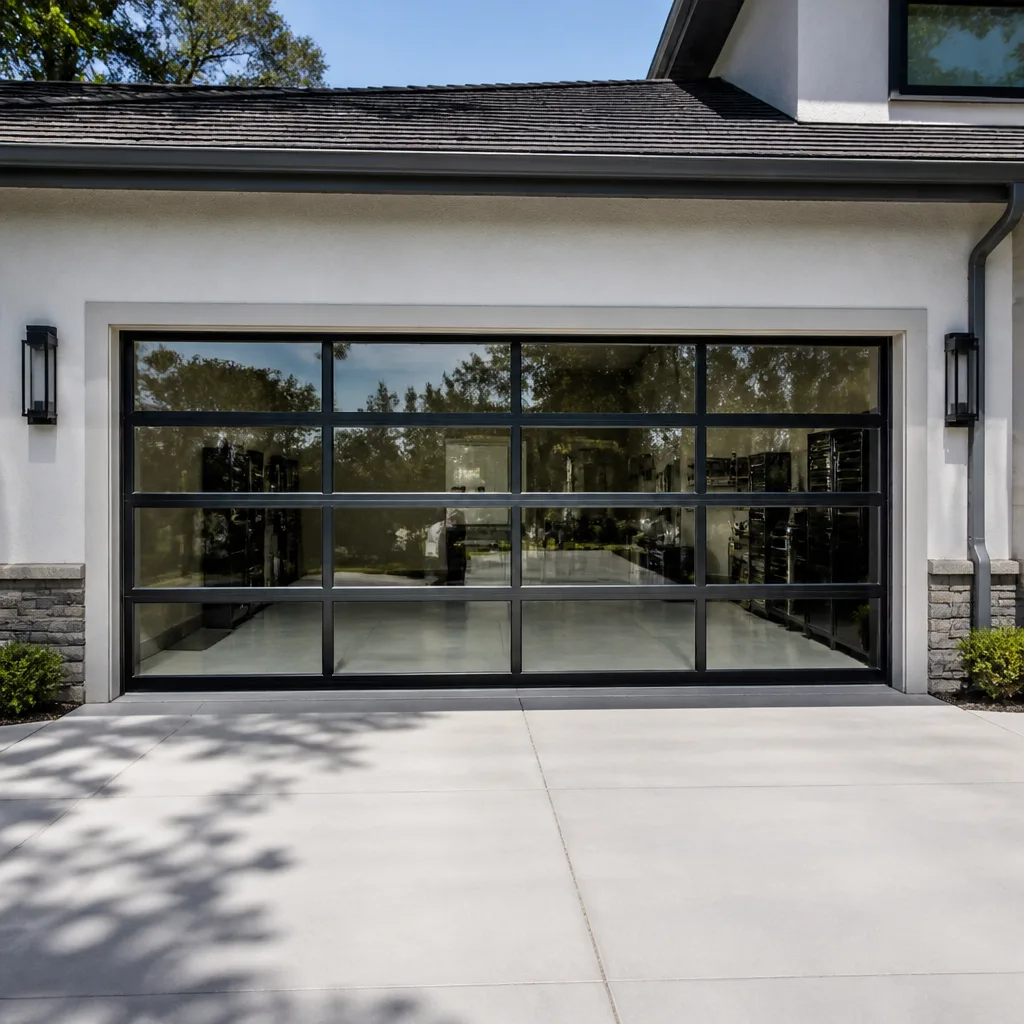 Full-view glass
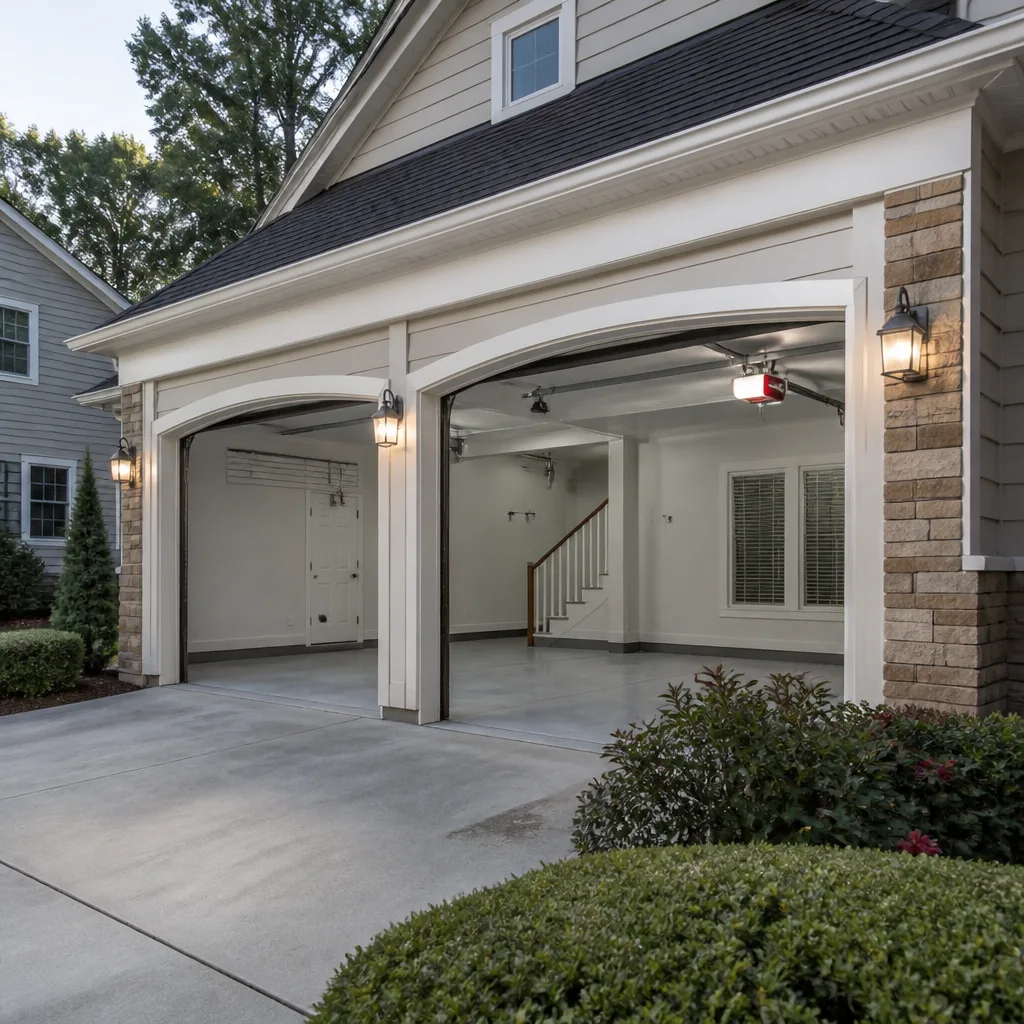 LiftMaster openers
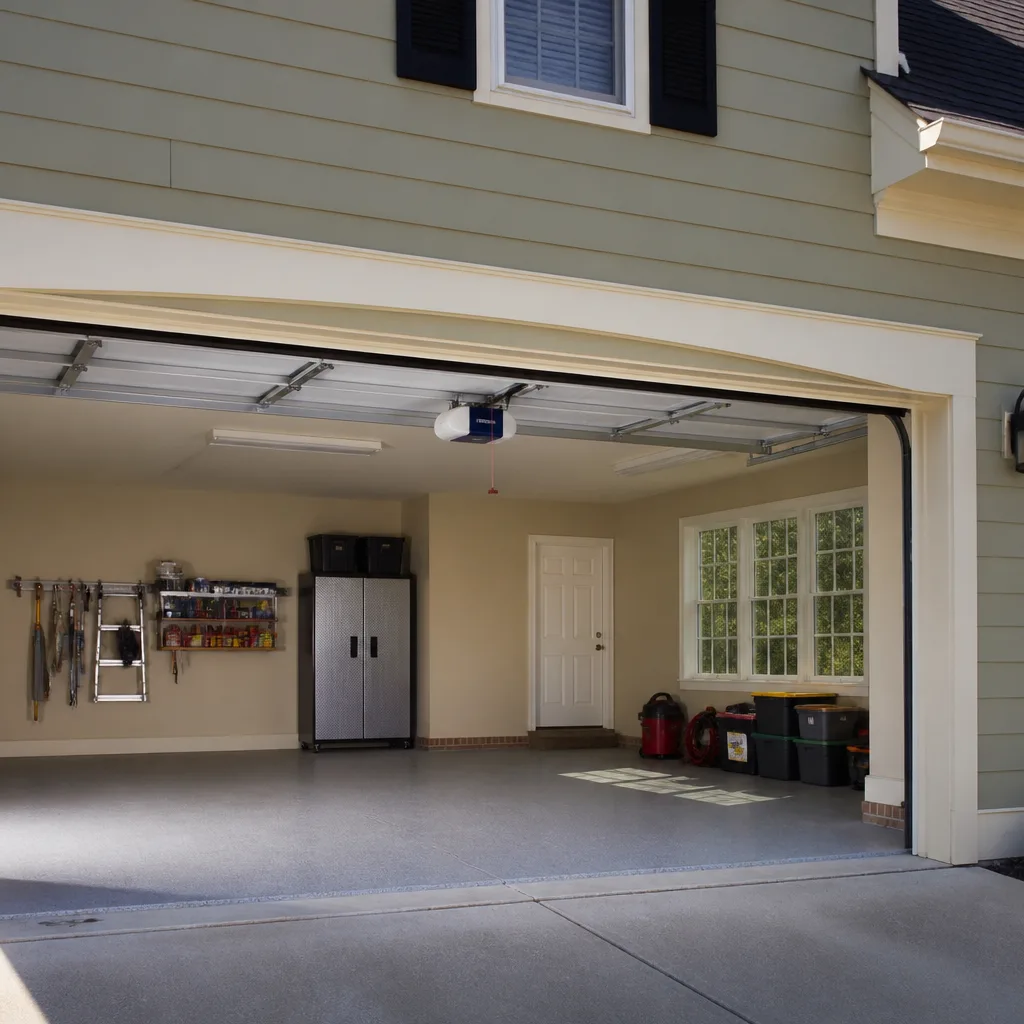 Chamberlain openers
Full 25-point door and opener safety check with every visit - springs, cables, rollers, tracks, and your LiftMaster or Chamberlain opener included
You get a price before we start. It does not change when the pro arrives.
Get your free estimateGarage Door Emergency Preparedness Guide for Delray Beach Homes
Most Delray Beach homeowners learn how their garage door works at the worst possible moment: when it stops working. A spring snaps before work, a squall knocks the power out, and suddenly the emergency release cord is the most important thing in the house. That cord is also where a lot of homeowners get hurt, because they pull it before they understand what the door is holding back. Emergency preparedness for your garage door isn’t about buying gadgets. It’s about knowing a handful of specific things about the door you already have, so that when something fails you’re acting on a plan instead of adrenaline. This guide walks through the two kinds of garage door emergencies we see most in Delray Beach, the ones tied to storm season and the mechanical ones that happen any random day, and it gives you a clear protocol for each.
Quick Answer
A garage door emergency in Delray Beach usually falls into one of two categories: storm-related failures that you prevent with a pre-season audit and bracing check, or mechanical failures (a broken spring, a dead opener, a snapped cable) that you manage with a safe manual procedure until a technician arrives. The single most important piece of readiness is understanding your door’s emergency release, what it does under spring tension, and when not to touch it. Everything else in this guide builds on that one skill.
Styles & brands we work with
- Raised-panel steel
- Carriage house
- Modern flush
- Full-view glass
- LiftMaster openers
- Chamberlain openers
Table of Contents
- The Two Kinds of Garage Door Emergencies in Delray Beach
- Pre-Hurricane-Season Door Audit
- Manual Operation During a Power Outage
- When a Torsion Spring Breaks
- Vehicle Trapped Inside the Garage
- Post-Storm Damage Assessment
- Common Mistakes to Avoid
- When to Call a Professional
The Two Kinds of Garage Door Emergencies in Delray Beach
It helps to separate emergencies into two buckets, because the response you take for one can actively make the other worse. In Delray Beach, the split is between wind events and mechanical failure, and the protocols are completely different.
Storm-related emergencies arrive with warning. A tropical system gets a name days before it reaches us, and the window between a storm watch and landfall is when preparation matters most. Doors that haven’t been audited for wind resistance or bracing are the ones that fail when it counts.
Mechanical emergencies arrive with no warning. A torsion spring can break on a quiet Tuesday morning. An opener logic board can fail in the middle of a lift. A cable can jump its drum. These strand your vehicle or leave your door hanging in a way that stops you from securing the house.
The mistake we see most often is treating both the same way. A homeowner who has rehearsed a Florida storm plan may still not know how to open a garage door manually without slamming it. A homeowner who understands their manual release may still have a door that was never rated for the wind a squall brings. The two skill sets are separate, and both belong in the same preparedness file.
Because Delray Beach sits in a region where wind events are part of the annual rhythm, and because the homes here range from older concrete-block construction to newer builds with engineered door systems, the audit you run needs to be specific to your door. Older doors may predate current wind-rating standards, while newer doors may carry a rating sticker that has since faded or been painted over. Both are worth checking before the first tropical advisory of the season.
Pre-Hurricane-Season Door Audit
Everything in this section happens before the first storm watch, not during it. Once wind advisories are up, it’s too late to order a part, call a technician, or drill new bolts safely. Run this audit once a year, well ahead of the Atlantic season, and again any time you buy a home or replace a door.
Here’s the checklist we recommend for Delray Beach homes:
- Find the wind resistance rating. Most modern garage doors carry a label or sticker with a wind-load rating. If you can’t find one, don’t guess. The door’s model number usually tells a technician what it was rated for. A door with no rating and no label is a door you should have assessed before a storm is on the radar.
- Test the emergency release with the door down. Disconnect the opener using the release cord while the door is closed. Try to lift the door by hand. It should feel heavy but manageable, and it should stay wherever you leave it. If it drops or flies up, stop and call a technician before attempting anything else.
- Confirm the horizontal bracing. Many Florida-rated doors use horizontal reinforcement hardware along the top section. Look for the brace and check that every fastener is snug. Loose or missing hardware is a job for a pro, not a step to chase with a random bolt.
- Verify the door’s weatherseal. A tight bottom seal keeps wind-driven rain out of the garage and takes pressure off the door during gusts.
- Test the opener’s safety reverse. Place a roll of paper towels under the door and close it. The door should reverse on contact. A door that doesn’t reverse is unsafe regardless of the weather.
- Clear the tracks and the travel path. Any object leaning against the tracks will become a projectile.
For anything in this audit that turns up a fault, a scheduled repair is far cheaper and less stressful than an emergency. The same technician who can check your bracing can also handle routine garage door repair before a small issue becomes a stranded-vehicle problem. When you’re hiring, ask directly whether the door’s wind rating and bracing will meet current Florida Building Code requirements for your address. Code questions like this move with local amendments and inspection rules, so the city’s building department is the right source for a definitive answer. It’s also worth confirming the door’s hardware matches the rated system; a mixed setup of parts from different manufacturers can quietly undercut the door’s wind performance. If you have a LiftMaster or Chamberlain opener, the audit should include a check that the travel limits and force settings still match the door after any hardware changes.
Manual Operation During a Power Outage
When the power goes out in Delray Beach, the first question is usually whether the garage door can be opened by hand so someone can get a vehicle out. In most cases, yes, and the procedure is simple. The trick is doing it in the right order and knowing your opener model.
Here’s how manual operation works in general terms, for the common residential opener types:
- Make sure no one is standing under the door. Check the travel path visually before anything else.
- Locate the release cord. It hangs from the trolley carriage on the opener rail, usually red or with a red handle.
- Pull the cord straight down and toward the door once. Do not yank it hard, and do not pull it repeatedly. One steady pull disengages the carriage from the trolley.
- Lift the door slowly by hand. Let it settle into the open position. On a properly balanced door it should hold.
- To re-engage after power returns, use the manual re-engage method for your opener. On many LiftMaster and Chamberlain systems, the opener will re-engage on its own the next time you run it, provided the carriage is aligned with the trolley. If it doesn’t, the correct fix is to run the door to the closed position, then send it up once with the wall control or remote, then re-check that the carriage has latched. Forcing the carriage by hand can damage the drive.
On older Genie and Craftsman openers, the release mechanism may be a twist-handle rather than a cord, and re-engagement sometimes requires sliding the carriage by hand along the rail to meet the trolley. If you’re not sure which opener you have, the model number is usually on a sticker under the light cover or on the back of the motor housing. Knowing this before an outage saves a lot of guesswork in the dark.
One important caveat: if the door is heavy to lift by hand, or if it won’t stay up when you let go, the springs are likely tired or broken. Don’t force it. Get a technician out before someone gets hurt.
When a Torsion Spring Breaks
A torsion spring is the single most dangerous component in a residential garage door system, and it’s the one we see fail most often without any warning. Springs are under high tension at all times, and when one breaks, the door loses a large share of its lift support. The first rule is simple: do not operate the door after a spring break, and do not attempt to replace one yourself.
Knowing how to recognize a broken spring is worth practicing, because it tells you what kind of emergency you’re in. Here’s how to tell a spring break from a cable failure:
- Broken torsion spring: You’ll often hear a loud bang, like a heavy object dropping. There’s usually a visible gap in the spring coil above the door. The door may still open a few inches and then stop, or lift unevenly.
- Snapped cable: The door may sag on one side or drop at an angle when pulled. The cable will be visibly loose, frayed, or off its drum.
- Opener strain: If the opener runs but the door barely moves, the motor may be trying to lift weight the spring is no longer helping with. Stop and unplug the opener before it burns out.
Dedicated garage door spring repair is a specialized job for a good reason. Torsion springs hold hundreds of pounds of force even at rest, and the winding tools required to change one safely aren’t something a homeowner should try to improvise. If you call a general handyman for a spring break and get turned down, that’s the right response, not a sign the job is optional.
While you wait for a technician in Delray Beach, secure the house without moving the door. Deadbolt the interior door between the garage and the house. If the garage door forms part of the perimeter when it’s open, temporarily block the opening with what you have, and avoid parking a car underneath the door in case it drops. A door that’s open a few inches is usually the safest position, because it takes the weight off the opener and keeps the panels from sagging further. The same logic applies to a broken spring on a Raynor or Clopay door; the brand doesn’t change the risk. What changes is what parts the technician will need, and a brand-aware pro will know to bring them.
Vehicle Trapped Inside the Garage
A trapped vehicle is the moment homeowners most often make a mistake. Between the panic and the deadline, the temptation is to force the door open by dragging it, tugging the release cord repeatedly, or shoving the carriage free. The result is often a damaged opener on top of the original problem.
Here’s the protocol we recommend, in order:
- Stop and breathe. Nothing about a stuck door gets better with force.
- Check for a power outage. If the opener has no power, manual release is the right move.
- Check that the springs are intact. If a spring is visibly broken, do not manually release the door. A vehicle can stay trapped for an hour while you call a pro; a falling door can do lasting damage.
- Disengage the opener with one clean pull of the release cord. Then lift the door slowly by hand.
- If the door opens fully and holds, drive the vehicle out slowly with the door fully raised.
- If the door won’t lift safely by hand, leave it closed and call for emergency service. Do not try to prop it open with a ladder, a stool, or a box.
- Re-engage the opener once the vehicle is out and the power is back, using the method for your opener model.
If you have to temporarily secure the door open while moving a vehicle, avoid bracing it against anything that could shift. The door should either stay up under its own spring tension or be lowered. A propped door is a door that can fall.
For genuine emergencies like a car blocked by a broken spring or a door left hanging open overnight, our emergency garage door service is designed for this. Call (855) 393-4914 and we’ll talk you through what you’re seeing before we dispatch anyone.
Post-Storm Damage Assessment
After a storm passes through Delray Beach, homeowners often head straight for the garage and hit the opener. That’s the wrong first move. A door that took a wind hit can be subtly misaligned even when it looks fine, and running the opener against a misaligned door is how a small repair becomes a big one.
Run this assessment before you use the door again:
- Tracks: Stand at the opening and look at the vertical tracks on both sides. They should be parallel and unbent. Any kink, dent, or out-of-plumb section means the door needs realignment before it moves.
- Panels: Walk the inside of the door and check each panel for dents, cracks, or separation from the hinges. A panel that’s out of shape can bind in the tracks the first time the door moves.
- Springs and cables: Look for a gap in the torsion spring or a loose cable. Both are no-operate conditions.
- Hinges and rollers: Check that no rollers have popped out of their tracks and that hinges are snug.
- Opener: Look at the indicator lights on the opener head and the wall control. If the opener shows a fault code after a power surge, don’t cycle it repeatedly. Unplug it and have it checked. Opener electronics on LiftMaster and Chamberlain systems often have a fault-history feature a technician can read to see what happened.
- Weatherseal and bottom seal: Check that the bottom seal sits flush and hasn’t been pulled out of its channel.
If any of these checks fail, leave the door in place and call a pro. A quick diagnostic saves a full replacement later, and it’s far cheaper than discovering the misalignment on the way to work with a dropped door. Our garage door opener repair handles the electronics side of that conversation, including models across LiftMaster and Chamberlain lines where a fault code points to a specific failing component.
See the difference
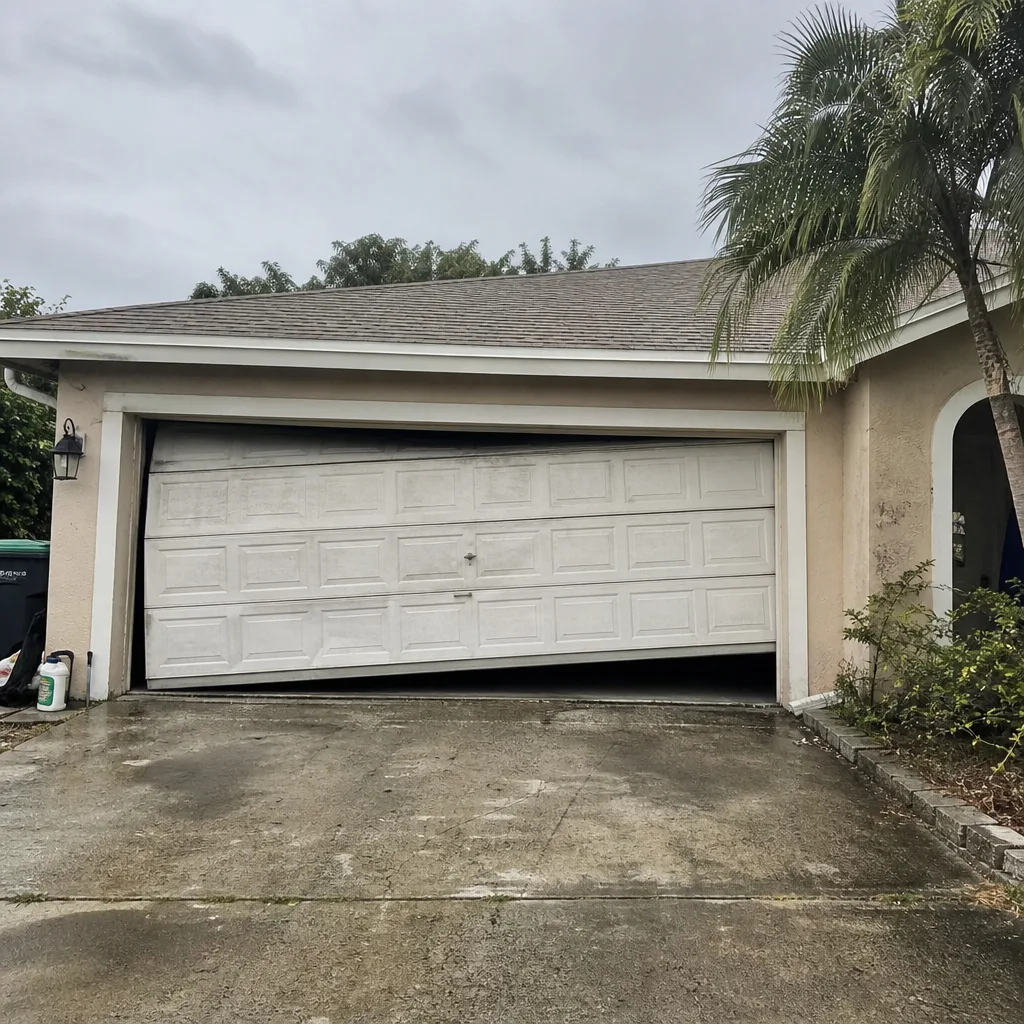 Before
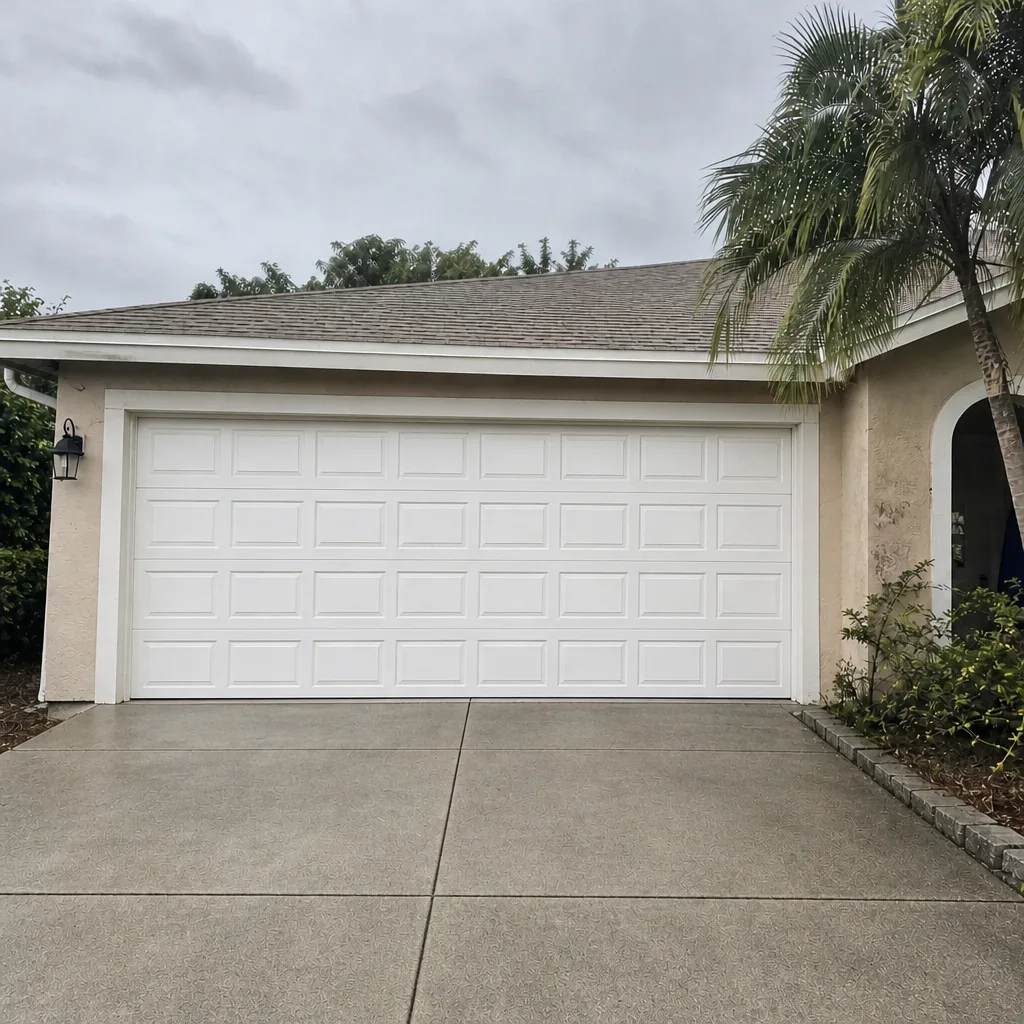 After
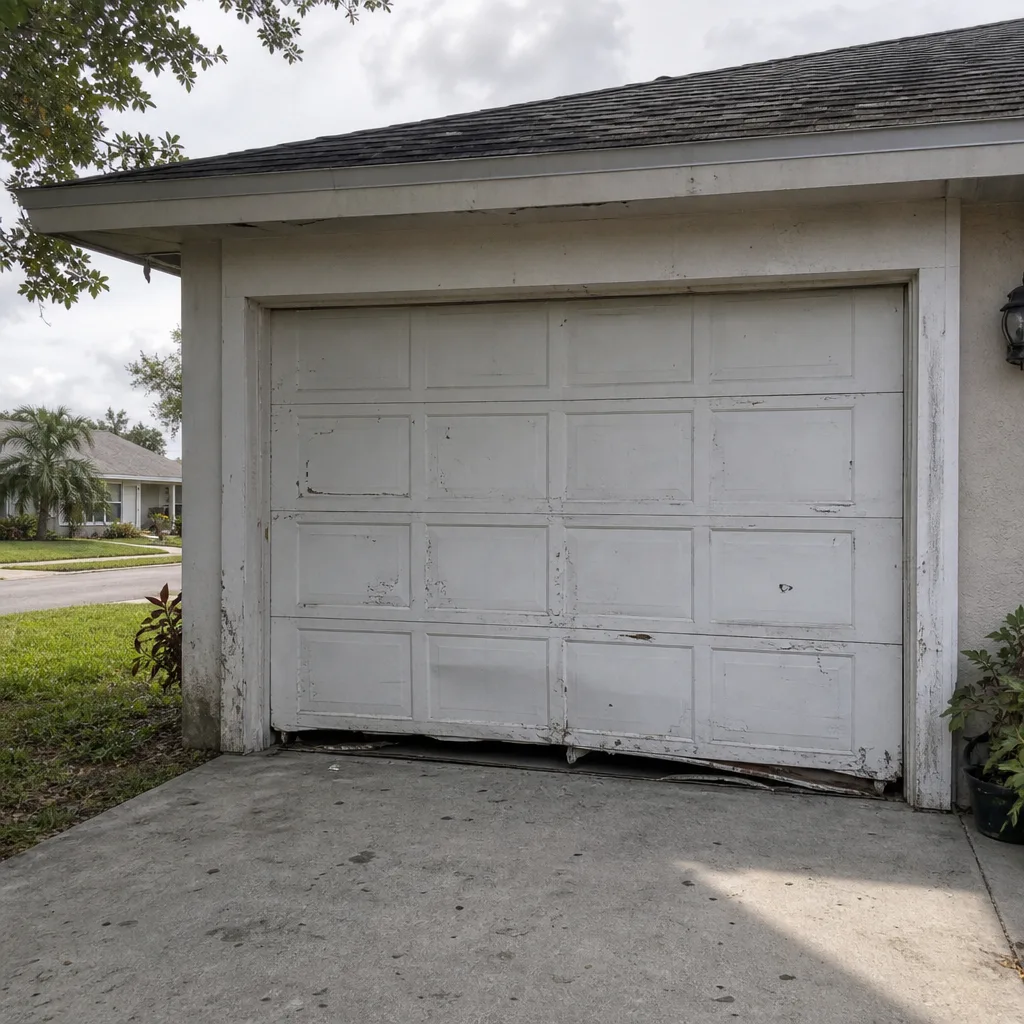 Before
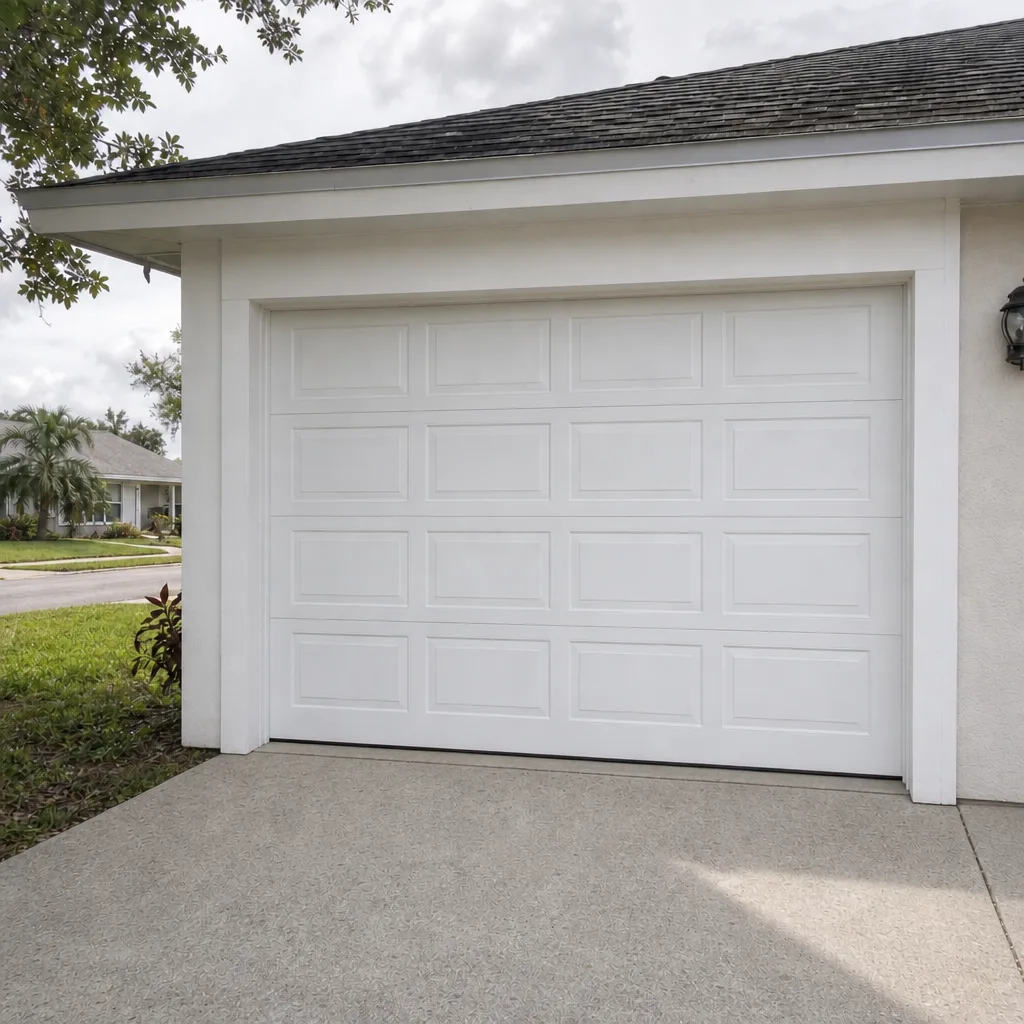 After
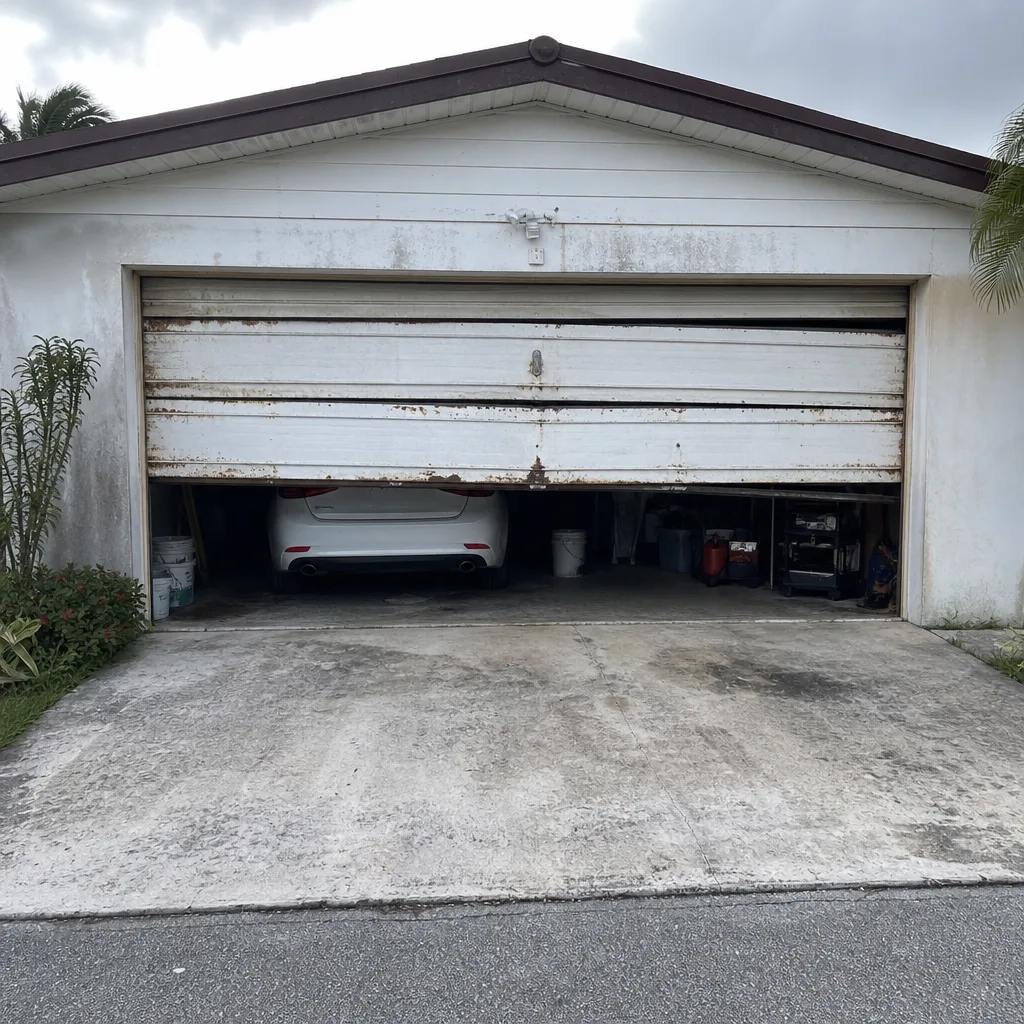 Before
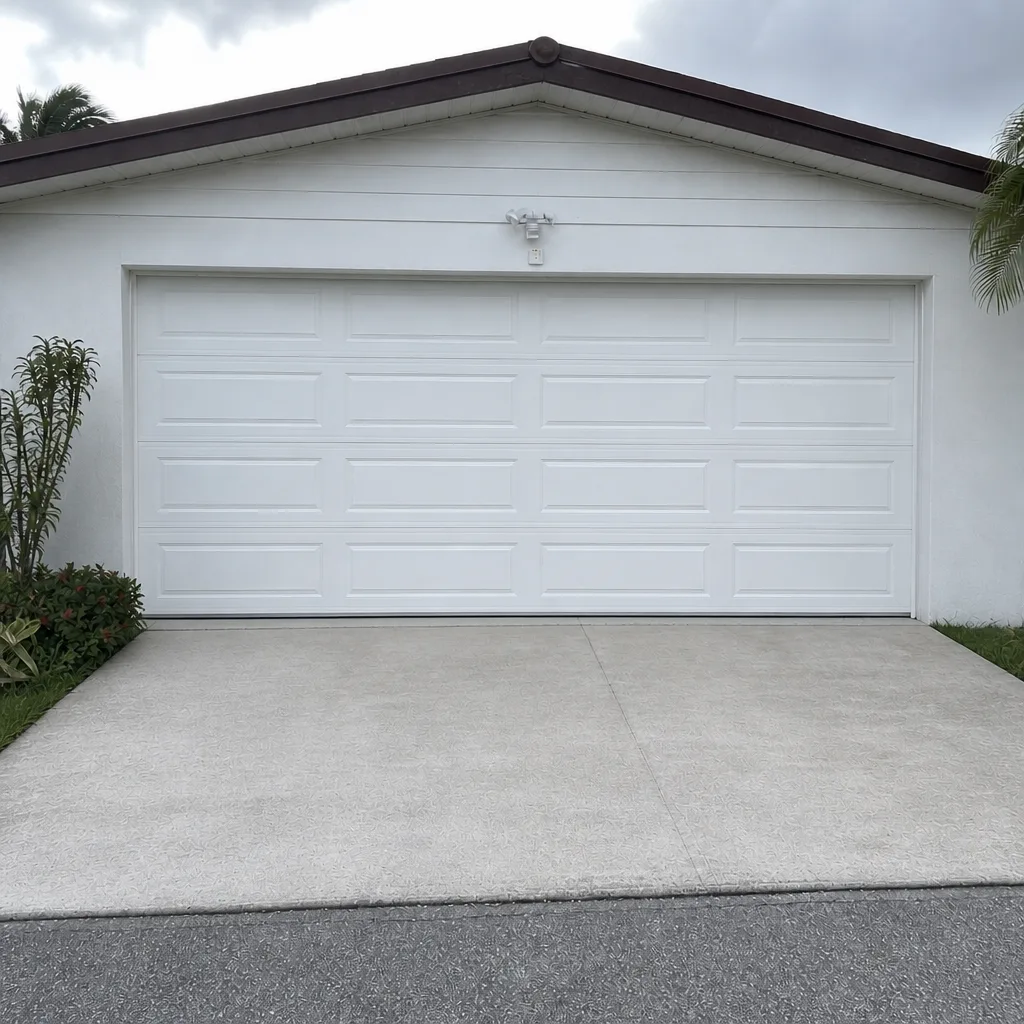 After
How Much Does Emergency Garage Door Service Cost in Delray Beach?
Emergency garage door work in Delray Beach varies by the fault, the parts needed, and whether it’s after typical business hours. The table below gives typical estimated ranges so you have a ballpark before you call. Every quote we write is agreed before any work starts, and the written estimate sets the final price.
| Service | Typical Estimated Range |
|---|---|
| Emergency service call (diagnostic) | Varies by provider; confirm before dispatch |
| Torsion spring replacement (one spring) | See written estimate; matched pairs about double |
| Cable replacement (per cable) | Quoted per job after inspection |
| Opener motor or logic board repair | Quoted per job after inspection |
| Track realignment | Quoted per job after inspection |
| Panel replacement | Quoted per panel after inspection |
Two things to know before you call. First, springs are usually replaced in matched pairs, so a job quoted as a single spring should be read as roughly double if the pair goes in. Second, ask any provider the same four questions upfront: is the fee a diagnostic or a dispatch charge, is the price agreed before work starts, are the technicians licensed and insured as their state requires, and is the quote in writing. The written quote is the number that matters.
Common Mistakes to Avoid
- Pulling the emergency release on a broken-spring door. The release disconnects the opener, not the spring. With the spring gone, the door’s full weight is free to come down. Confirm the springs are intact before you touch the cord.
- Yanking the release cord repeatedly. One steady pull is all it needs. Repeated tugging can damage the trolley carriage and turn a simple outage into an opener repair job.
- Running the opener against a misaligned door after a storm. If the tracks are bent or the panels are out of shape, calling the opener only stretches the damage.
- Using a handyman for a torsion spring. Springs require specific tools and training. A pro who declines a spring job is doing you a favor. If someone offers to do it with a pair of vice grips and a lot of confidence, decline politely.
- Assuming the wind rating is still valid because it’s on the door. Ratings attached to hardware fade, and past repairs may have swapped components. Check the current bracing matches the rated system.
- Skipping the pre-season audit. In Delray Beach, one tropical advisory without a plan is worth a whole season of guessing. Run the audit early each year.
- Re-engaging the carriage by force after an outage. The opener re-engages on its own when the door cycles correctly. Shoving the carriage into place can bend the rail or strip the drive gear.
When to Call a Professional
Some garage door problems are genuinely dangerous, and some are just inconvenient. The dangerous ones are the ones to call on: broken torsion or extension springs, dangling cables, doors that come off their tracks, openers that run without moving the door, and any damage you can see after a storm. If your door slams down, sags on one side, or won’t stay open when lifted by hand, don’t use it again until it’s been inspected.
The inconvenient ones (a dead remote, a slow opener cycle, a noisy door) are worth fixing too, but they can wait for a scheduled visit. The one exception: if an opener is straining, unplug it and get it looked at. Straining the motor is how a $200 repair becomes a full replacement.
Delray Beach Garage Door Repair Pros offers free estimates in Delray Beach – call (855) 393-4914. We work on the brand you already have, whether that’s a Raynor door with a Genie opener or a newer LiftMaster system paired with Clopay panels, and we cover the door’s whole lifecycle from emergency repair through a fresh garage door installation when a repair no longer makes sense.
Frequently Asked Questions
Check whether the opener has power and whether the springs and cables are intact before touching the emergency release cord. If the power is out and the springs are fine, a single clean pull of the release cord will disengage the opener so you can lift the door by hand. If a spring is broken or a cable is loose, do not attempt to open the door – call a technician. Call (855) 393-4914 for an exact quote on a repair.
Yes, if the springs are intact and the door balanced. The door should feel heavy but manageable and should stay where you leave it. If it drops or won’t hold, stop and call a professional. Call (855) 393-4914 and we’ll walk you through your situation – estimates are free.
Emergency repair in Delray Beach is quoted per job after inspection. Spring work is quoted per spring, and a matched pair typically costs about double a single spring because both are replaced together. Every price is agreed before work starts, and the written estimate sets the final price. Call (855) 393-4914 for an exact quote – estimates are free.
Yes, emergency garage door service is a dedicated offering, and a trapped vehicle is exactly the kind of call we prioritize. Before we arrive, put safety first: if a spring is broken or the door won’t stay up, leave everything as it is and wait. Call (855) 393-4914 for an exact quote – estimates are free.
No, the written estimate is the price. We quote after inspecting the door so the number reflects the parts and labor actually needed. You approve the estimate before any work begins, and the price doesn’t change afterward. Call (855) 393-4914 for an exact quote – estimates are free.
The local pro we connect you with is licensed and insured as their state requires, and our technicians have up to 10 years of experience. That covers both mechanical repairs like springs and cables and electronics work on major opener lines. Call (855) 393-4914 for an exact quote – estimates are free.
The Bottom Line
A garage door emergency is a lot less scary when you know which category it falls into. In Delray Beach, storm-related failures are prevented with a pre-season audit: verify the door’s wind rating, test the release under spring tension, confirm the horizontal bracing, and check the safety reverse. Mechanical failures are managed with the manual operation procedure for your opener and a hard rule that a broken spring means no door movement. Keep the emergency release cord tagged, keep your opener’s model number written down, keep (855) 393-4914 in your phone, and rehearse the vehicle-extraction protocol once a year. Preparedness is a ten-minute habit that turns a bad morning into a manageable one. When anything in this guide points to a repair you can’t safely make yourself, call us. Estimates are free, and the written quote is the price.
Written by the team at Delray Beach Garage Door Repair Pros.