Last updated November 21, 2026
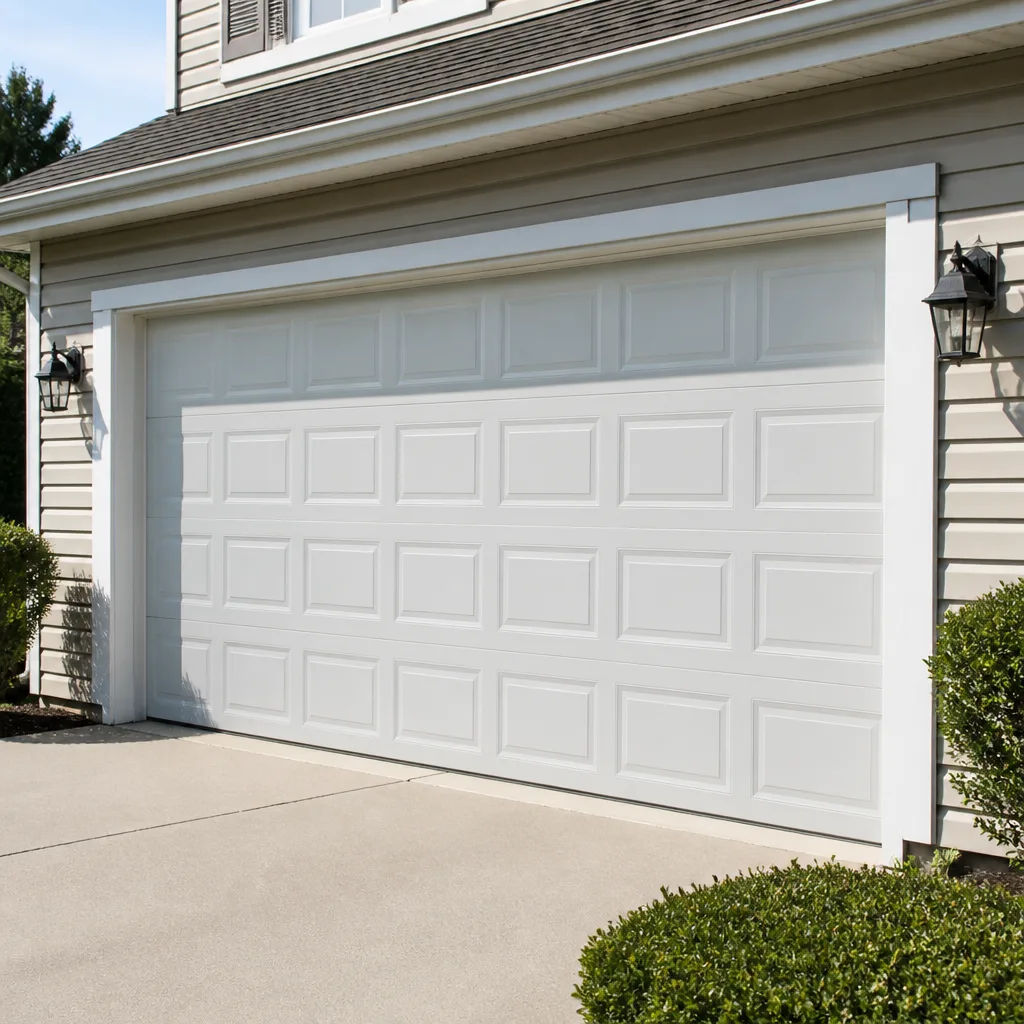 Raised-panel steel
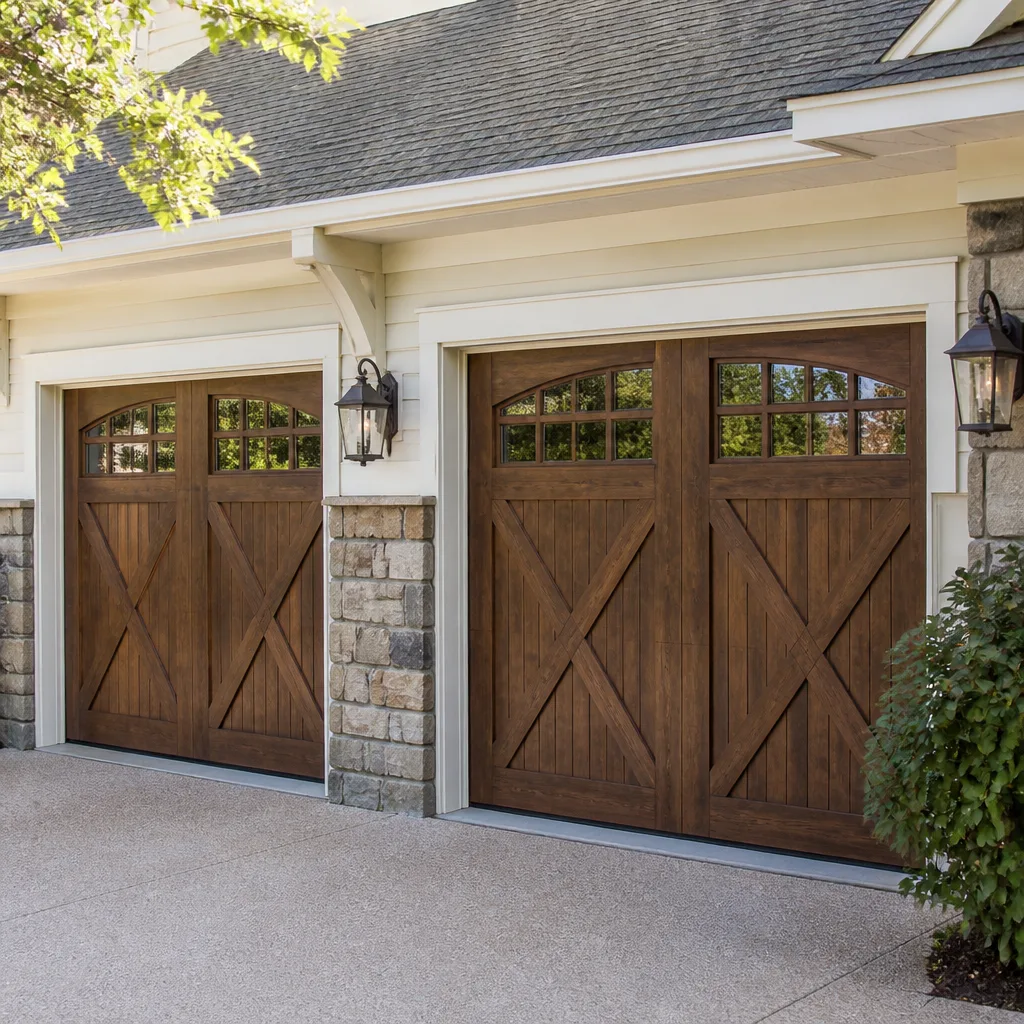 Carriage house
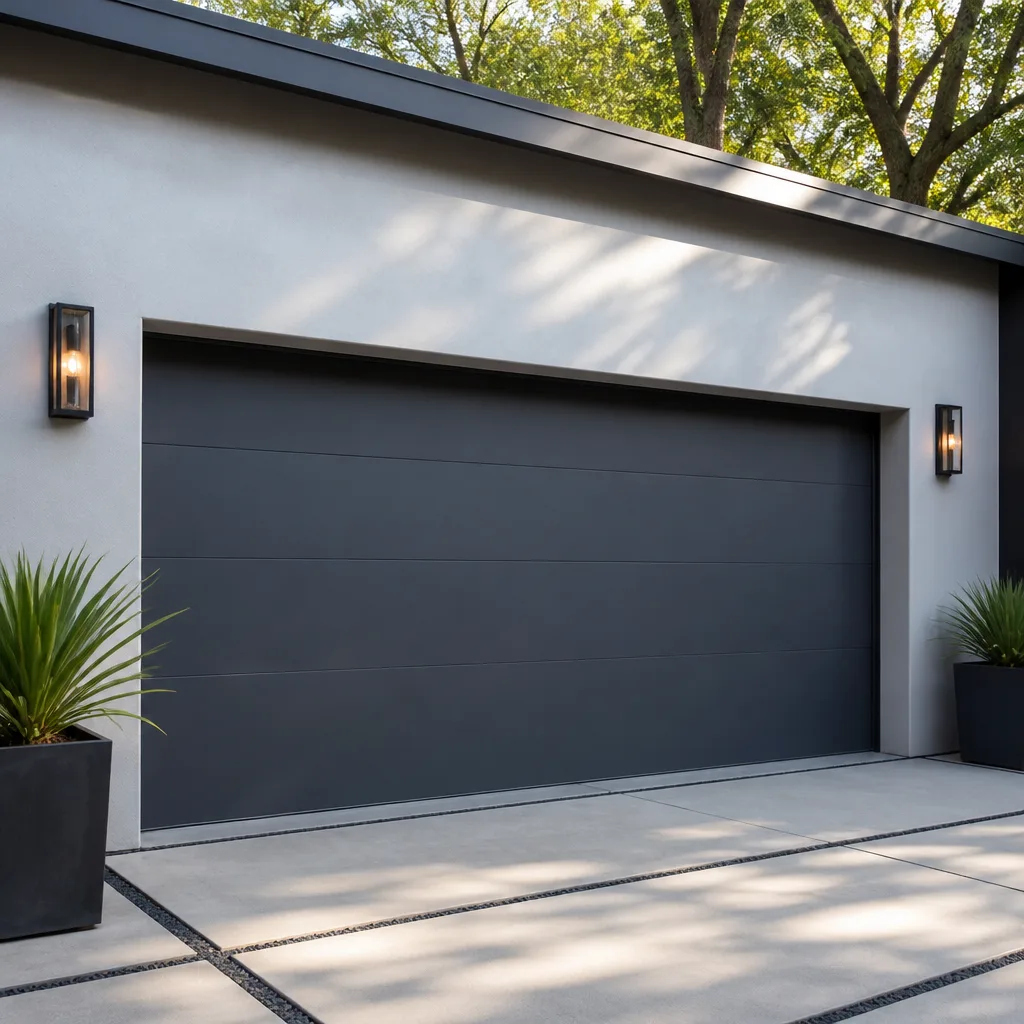 Modern flush
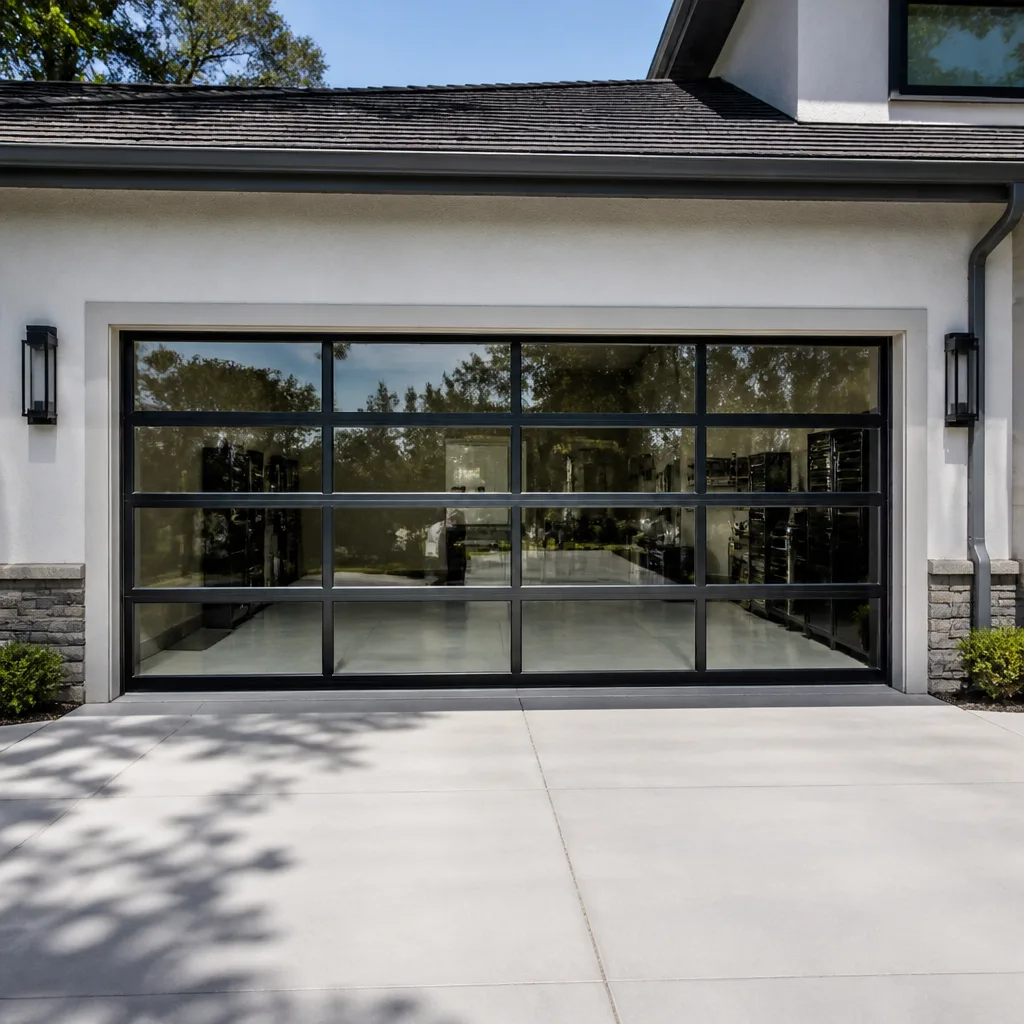 Full-view glass
 LiftMaster openers
 Chamberlain openers
Full 25-point door and opener safety check with every visit - springs, cables, rollers, tracks, and your LiftMaster or Chamberlain opener included
You get a price before we start. It does not change when the pro arrives.
Get your free estimateGarage Door Permits, Codes & Inspections in Delray Beach, FL: What You Need to Know
Most homeowners treat a garage door permit the way they treat a spare key hidden under a flowerpot: technically there, rarely thought about. That assumption gets expensive. In Delray Beach, a garage door is not a decorative panel that happens to lift. It is a rated building component that has to hold its shape under wind pressure, and Palm Beach County treats it that way in the code. Skipping the permit doesn’t make the door disappear from your property record. It sits there, documented as an unpermitted install, waiting for an inspector or an insurance adjuster to notice. This guide walks through what actually triggers a permit in Delray Beach, what a county inspection checks, how Product Approval numbers work, and where homeowners get themselves into trouble.
Styles & brands we work with
- Raised-panel steel
- Carriage house
- Modern flush
- Full-view glass
- LiftMaster openers
- Chamberlain openers
Quick Answer
In Delray Beach, replacing a garage door in the same opening with a same-size door generally requires a permit through the City of Delray Beach building department and an inspection under the Florida Building Code. Any structural change to the opening, a new opening, or a change in door type requires a permit as well, and the new door must carry a valid Florida Product Approval or statewide approval for the wind zone where it’s installed. A garage door with no Product Approval cannot legally be installed in permitted work. The inspection verifies product approval, anchorage, bottom seal and opener compliance before the permit is closed.
Table of Contents
- When Does a Garage Door Project Need a Permit in Delray Beach?
- Wind Load and the Florida Building Code in Palm Beach County
- Florida Product Approval Numbers and Why They Matter
- What a Palm Beach County Garage Door Inspection Actually Checks
- The Homeowner’s Liability When a Door Isn’t Permitted
- Step by Step: How the Permit Process Works in Delray Beach
- Opener Compliance: A Separate Layer Under Florida Rules
- Common Mistakes to Avoid
- When to Call a Professional
- Frequently Asked Questions
- The Bottom Line
When Does a Garage Door Project Need a Permit in Delray Beach?
The short answer is that most garage door replacement work in Delray Beach needs a permit, but not every job looks the same on paper. The city and county draw the line based on what’s physically changing, not how big the invoice is. Here’s how we’ve seen the categories break down in practice.
Same-size replacement in the existing opening: most often permitted. The door is still a rated wind-load element, so even a like-for-like swap involves a structural component. Some jurisdictions handle this as a fast-track or over-the-counter permit, but the inspection is real.
Change of door type or model: permitted. Moving from a standard sectional to a rated impact door, or from a solid panel to windowed panels, changes the pressure rating and the anchorage requirements.
Structural modification: always permitted. Widening the opening, raising the header, changing the track geometry, or altering the framing around the door is a building code review, not a door swap.
New opening: permitted, with plan review. Cutting a new garage door into a wall means structural engineering, header sizing and wind-load compliance on the whole wall system.
Cosmetic work only: typically not permitted. Painting the door, replacing a bottom seal, or swapping remotes isn’t construction. Replacing a broken spring or a snapped cable is a repair, not a permit item, and the safety risk of spring work is a separate conversation from permitting.
If you’re not sure which category your job falls into, you call the City of Delray Beach building department and describe it plainly. They will tell you whether it’s over-the-counter, plan-review, or exempt. When we connect Delray Beach homeowners with a local pro for garage door installation, we always flag the permit question early, before any door is ordered.
Wind Load and the Florida Building Code in Palm Beach County
Florida’s building code treats garage doors as a wind-resisting building envelope component. That means the door isn’t rated in isolation. It’s rated as part of an assembly: the door plus the tracks, the brackets, the anchors, and the framing they tie into. Change any one of those and the rating can change.
Palm Beach County sits in a wind zone where the code requires doors rated for the design wind speeds in your specific area. The Florida Building Code, section on wind loads (Chapter 16 of the residential code), references wind speed maps keyed to location, exposure category and risk category. In practical terms:
- The door’s Product Approval number states the design pressure it was tested to.
- Your anchorage has to match the door. A heavy-rated door bolted with standard brackets gives you the panel without the system rating.
- Exposure category matters. A home on an open lot with wide exposure to wind is not treated the same as one shielded by neighboring structures. Your permit reviewer will assign the category.
- High-Velocity Hurricane Zone (HVHZ) coverage is largely the southeast coast and the Keys. Palm Beach County is adjacent to, not inside, the HVHZ boundary. That’s an important distinction: the door you install must comply with local wind-load code, but you don’t necessarily have to purchase an HVHZ-tested product. Confirm which category applies to your property with the building department before you order anything.
The point of an inspection is to confirm that the rated system was installed the way the manufacturer’s approval says it must be installed. Wind rating is tested, not guessed. We always refer to the manufacturer’s installation instructions as the controlling document when supporting a Delray Beach install.
For emergency repairs that don’t involve structural changes, wind-load code isn’t the trigger. Broken springs, snapped cables, off-track doors and dead openers are all repair work, and we have a whole team that handles them. When a Delray Beach door is stuck open or a spring lets go before the morning commute, that’s a garage door repair call, not a permit job.
Florida Product Approval Numbers and Why They Matter
Every garage door installed under a permitted job in Florida has to be backed by a Florida Product Approval (often abbreviated FL# or NOA, for Notice of Acceptance). The approval is a state-level document stating that a specific product, tested by an approved lab, meets the code for a stated design pressure and installation method.
Here’s what a Product Approval actually contains, and why it matters to you:
- The manufacturer and model number of the door and its components.
- The design pressure rating (positive and negative), which is what the door was tested to withstand.
- Approved installation instructions including anchoring method, anchoring spacing, and the required brackets and plates.
- Limitations such as maximum width, maximum height, and restrictions on which track systems can be used.
Without a valid Product Approval, the door cannot legally be installed as part of a permitted garage door project. This is not a technicality. If your contractor proposes a door with no FL# and no equivalent statewide approval, that’s a red flag. Either the product isn’t rated for your zone, or the installer doesn’t want the paperwork trail. Neither scenario ends well for a homeowner.
Door brands with broad wind-rated coverage make this easier. If a homeowner is replacing a door on a Delray Beach property and wants a rated product for whatever reason, top-tier and mid-tier manufacturers are the sensible starting point. Some models from Raynor and Wayne Dalton show up in the Florida Product Approval database under specific model numbers and installation methods. When we connect a homeowner with a pro, we ask for the FL# up front and cross-check it against the door model. For Delray Beach garage door repair pros handling this kind of work, that check is standard.
If you want to look up an approval yourself, the Florida Building Commission maintains the Building Code Information System (BCIS), and the Florida Department of Business and Professional Regulation hosts the product approval search. You search by manufacturer and model. You’ll get the approval number, the design pressure, the installation method, and any limitations. Print it. The inspector will ask for it.
What a Palm Beach County Garage Door Inspection Actually Checks
An inspection isn’t a general look at the door. It’s a compliance check against the permit and the Product Approval. Inspectors are methodical and they know what a shortcut installation looks like. Here’s what they typically look at.
- Product Approval match. The door model on the truck has to match the model on the approved permit. Wrong model number, no approval, or an approval limited to a different installation method all stop the inspection.
- Anchorage method and spacing. The brackets and anchors have to match the Product Approval instructions. That includes anchor type, embedment depth, spacing, and where the tracks and header brackets land on the framing.
- Track and spring mounting integrity. Tracks have to be straight, plumb, and solidly anchored. Springs must be mounted to a properly anchored bar and bearing plate. Loose or misaligned track is a common fail.
- Bottom seal and perimeter seals. The bottom astragal has to sit flush against the floor with no gaps that would let wind-driven rain or uplift air pass under the door. Perimeter seals on the jambs and header come into the picture on rated doors.
- Opener compliance. The opener has to be listed to the UL 325 safety standard, and it has to have the required safety reverse and entrapment protection. That includes the photo-eye system if the door is operated by a control the user can’t see.
- Final operational test. The inspector operates the door and confirms it runs, reverses, and closes without obstruction.
When we’re in a Delray Beach home and someone asks why a licensed job takes longer than a slam-bang install, this is the reality. The inspection is checking that the door is installed to the standard it was tested to. It’s not a bureaucratic formality. It’s the difference between a rated assembly and a door that happens to look right on a calm day.
The Homeowner’s Liability When a Door Isn’t Permitted
There’s a quiet assumption among homeowners that if the door was installed and it works, the permit question doesn’t matter. It does. It matters in three specific ways.
Insurance exposure. If a named storm causes damage to your garage and the door wasn’t permitted or doesn’t match the product on record, your insurer can push back on the claim. Some adjusters ask for the permit history as part of the inspection process. Whether a claim is denied is up to the insurer and the policy, but a missing permit gives them an argument. On a full garage structure loss, that argument can be worth a lot more than the door.
Re-inspection fees and forced compliance. If the city discovers an unpermitted install, the process usually involves a permit application after the fact, a re-inspection, and whatever remediation the plan reviewer requires. Sometimes the door is fine. Sometimes the anchorage has to be redone or the door replaced with a rated model. Re-inspection fees and permit costs after the fact are not eligible for a discount; you pay the full amount plus whatever fixes the inspector requires.
Sale or refinance friction. Unpermitted work can come up in a property disclosure or title search. Lenders and buyers care. That garage door you installed three years ago becomes a negotiation item during escrow.
The good news is that a compliant installation is not complicated when it’s done right the first time. The permit is a small line item compared to the door, and the inspection timeline is predictable. The real risk is the shortcut install: a “no permit needed” pitch from someone trying to save you time and skip the paperwork. When we work with a Delray Beach homeowner on a new door, we treat the permit as part of the job, not as an add-on.
Step by Step: How the Permit Process Works in Delray Beach
Here’s the sequence we see for a typical Delray Beach garage door permit job. Specifics vary by project, but the flow is consistent.
- Confirm scope with the building department. Call the City of Delray Beach building department and describe your project: same-size replacement, change of door type, structural modification, or new opening. They’ll tell you what category your permit falls into and what documentation is required.
- Select a door with a valid Product Approval. Get the FL# from the manufacturer or supplier before you commit. Match the approval to your wind zone, exposure category, and door size. Check the approval’s limitations on width, height, and anchoring method.
- Apply for the permit. Your contractor typically pulls the permit. The application includes the door spec sheet, Product Approval number, installation instructions, and any engineered plans if your project requires plan review.
- Order and install to spec. The door arrives, and the installation must follow the approved instructions. Deviating from the anchoring method on the Product Approval will cost you a re-inspection.
- Schedule the inspection. After install, the contractor calls for the inspection. The inspector verifies product approval, anchorage, seals, opener, and operation. Pass and the permit closes. Fail and you get a correction list and a re-inspection.
- Keep the paperwork. Store the permit, the inspection card, and the Product Approval with your home documents. You need them if you sell, refinance, or file an insurance claim.
Timing depends on whether your project requires plan review or fits an over-the-counter permit. A same-size replacement with a matched Product Approval moves quickly. A change in opening geometry or a new door requires more review. If you need a new door and want the process handled cleanly, garage door installation through a vetted local pro is the path we recommend, and we’ll connect you with one who knows the Delray Beach permit workflow.
Opener Compliance: A Separate Layer Under Florida Rules
The door is the wind-rated element, but the opener has its own compliance layer. UL 325 is the safety standard for garage door operators, and it requires entrapment protection. Modern openers from LiftMaster and Chamberlain (the myQ lines) come with photo-eye barriers and reverse-on-contact systems. Older openers from Craftsman and Genie often do not, or have safety features that are wired up but not working.
What inspectors typically check on the opener:
- That the opener is UL 325 listed (label on the unit).
- That the photo-eye safety system is functional, aligned and mounted per the manufacturer’s instructions.
- That the door reverses on contact with a test object within the standard’s force limits.
- That the manual release and disengagement work so the door can be operated by hand if the opener fails.
Openers that fail these checks are a common inspection correction item. If you’re installing a new door anyway, it’s worth reviewing the opener at the same time. We diagnose and repair openers across the major brands, and when it’s time to replace, the LiftMaster and Chamberlain lines cover the smart-home side while Genie and Craftsman keep older systems running. If the opener needs work as part of a larger project, the local pro handles it as part of the same visit. If it’s failing on its own, that’s a garage door opener repair call, and we can get you booked today.
Common Mistakes to Avoid
- Assuming a same-size replacement is exempt. In most Delray Beach projects it is not. The door is a rated wind-load element even though nothing about the opening looks different. Confirm with the building department before you order.
- Buying a door without a Product Approval number. If the supplier can’t produce an FL#, the door can’t legally go into a permitted job. Walk away from that door and that supplier.
- Installing a rated door with unrated anchors. The Product Approval names the anchors and the spacing. If the install uses a different method, the assembly rating is void and the inspection fails.
- Letting a general handyman pull the door install. This work touches rated building envelope. General handyman services don’t carry the installation instructions, permits or product approvals for a compliant wind-rated install.
- Overlooking the opener. UL 325 compliance on the opener is a separate check. A new door with an old opener that fails entrapment testing fails inspection.
- Skipping the bottom seal replacement. A well-installed door with a degraded bottom astragal still fails on the seal check. If you’re paying for a permit, replace the seal while you’re in there.
- Not keeping the paperwork. Permit, inspection card and Product Approval go in the same file as your closing documents. You’ll need them if you sell, refinance or file a claim.
When to Call a Professional
Some garage door work is safe for a homeowner to try. Adjusting a remote, lubricating the tracks, replacing a photo-eye bracket. Most of it isn’t. If the job involves a broken torsion spring, a snapped cable, a bent track after a car impact, a door that won’t close, an opener that runs but doesn’t lift, or a permit-covered installation, that’s a call to a professional. Springs and cables are under extreme tension and the injury risk is real. Rated door installs need Product Approval matching, proper anchoring and a compliant opener, and the permit process runs through a licensed contractor who can pull one. Trying to shortcut any of that creates liability that outlasts the project.
Delray Beach Garage Door Repair Pros offers free estimates in Delray Beach, connects you with a vetted local pro for repair, opener work or installation, and handles the diagnostic and permit coordination with the pro who does the work. Call (855) 393-4914 for a free estimate and a clear plan.
Frequently Asked Questions
Yes in most cases. Replacing a garage door in the same opening with a same-size rated door generally requires a permit through the City of Delray Beach building department and an inspection under the Florida Building Code. The door is a wind-rated building envelope component, so the code treats it as construction rather than a cosmetic upgrade. Structural changes, new openings and changes in door type always require a permit. Call (855) 393-4914 for an exact scope review – estimates are free.
A Florida Product Approval (also called an NOA) is a state-issued document that certifies a specific door model meets the code for a stated wind pressure, using a defined installation method. It matters because a door without a valid approval cannot legally be installed as part of a permitted job in Delray Beach, and the inspector will reject a door with no approval or a mismatch. Ask your installer for the FL# up front and cross-check it against the door model and the size limits. Call (855) 393-4914 to talk through your project.
Palm Beach County is adjacent to the High-Velocity Hurricane Zone but sits outside the HVHZ boundary. That means your door must comply with the local wind-load code for your property’s design wind speed, but you don’t necessarily have to buy an HVHZ-specific product. The exposure category for your specific lot and the wind speed map for your location are the controlling items. Confirm the exact requirement with the building department before you order a door. Call (855) 393-4914 for guidance.
The inspector verifies the door model matches the approved product, the anchorage method and spacing match the Product Approval, the tracks and spring mounting are solid, the bottom seal is intact, the opener is UL 325 listed with working safety reverse, and the door operates without obstruction. It’s a compliance check on the rated assembly, not just a visual look. Booking a pro through (855) 393-4914 means the install is done to the standard the inspection is checking.
Yes. Spring replacement is repair work, not construction, so a permit isn’t the trigger. Springs are the highest-risk component of a garage door, though, and torsion work takes specialized tools and training. We keep spring repair as a dedicated service because the safety margin is thin and injuries happen when it’s rushed. Call (855) 393-4914 and we’ll get you connected to a pro today.
The insurer can push back on a claim related to the garage, especially after a named storm. Whether a claim is denied is up to the insurer and the specific policy, but an unpermitted install in the property records gives them an argument. Beyond insurance, the city can require a retroactive permit, a re-inspection and remediation before the permit closes. Call (855) 393-4914 to set up a compliant install from the start.
The Bottom Line
In Delray Beach, a garage door is a rated building envelope assembly under the Florida Building Code, and the permit is how the city verifies the install matches the rating. Same-size replacement with a valid Florida Product Approval generally needs a permit. Structural changes, new openings and door type changes always do. A door with no Product Approval cannot legally go into permited work, and the inspection checks the anchorage, seals and opener against the approval. Skipping the permit leaves you with insurance exposure, re-inspection fees and forced compliance down the road. Do the paperwork, keep the records, and let a vetted local pro handle the install. It’s cheaper than the alternative.
Written by the team at Delray Beach Garage Door Repair Pros.
See the difference
 Before
 After
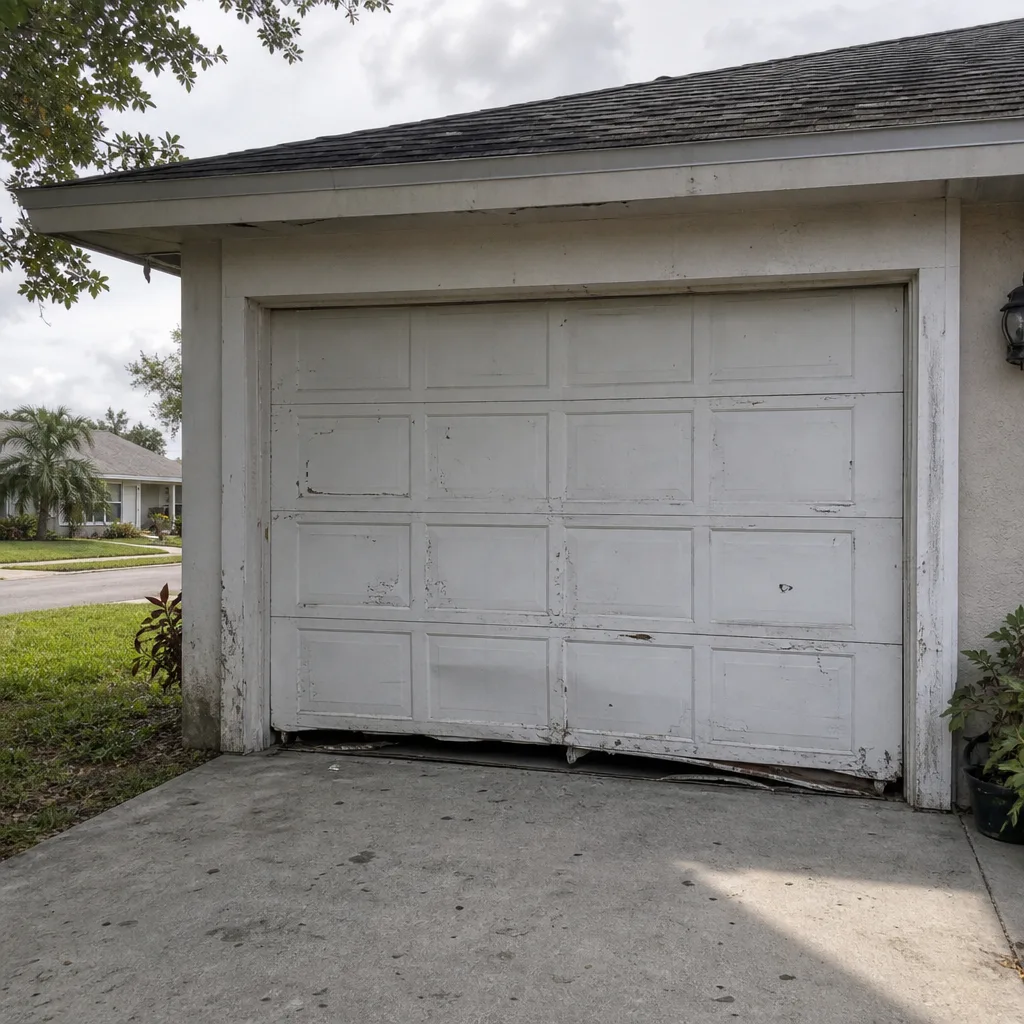 Before
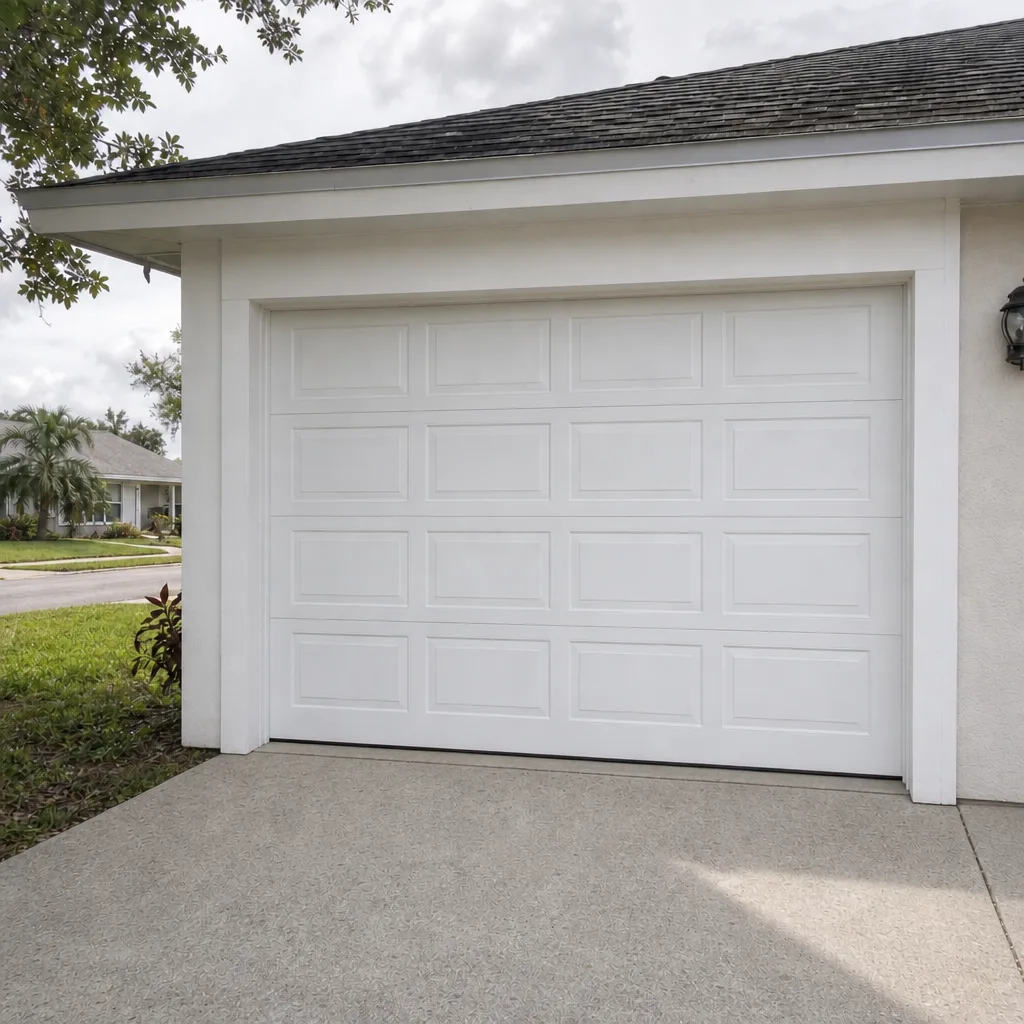 After
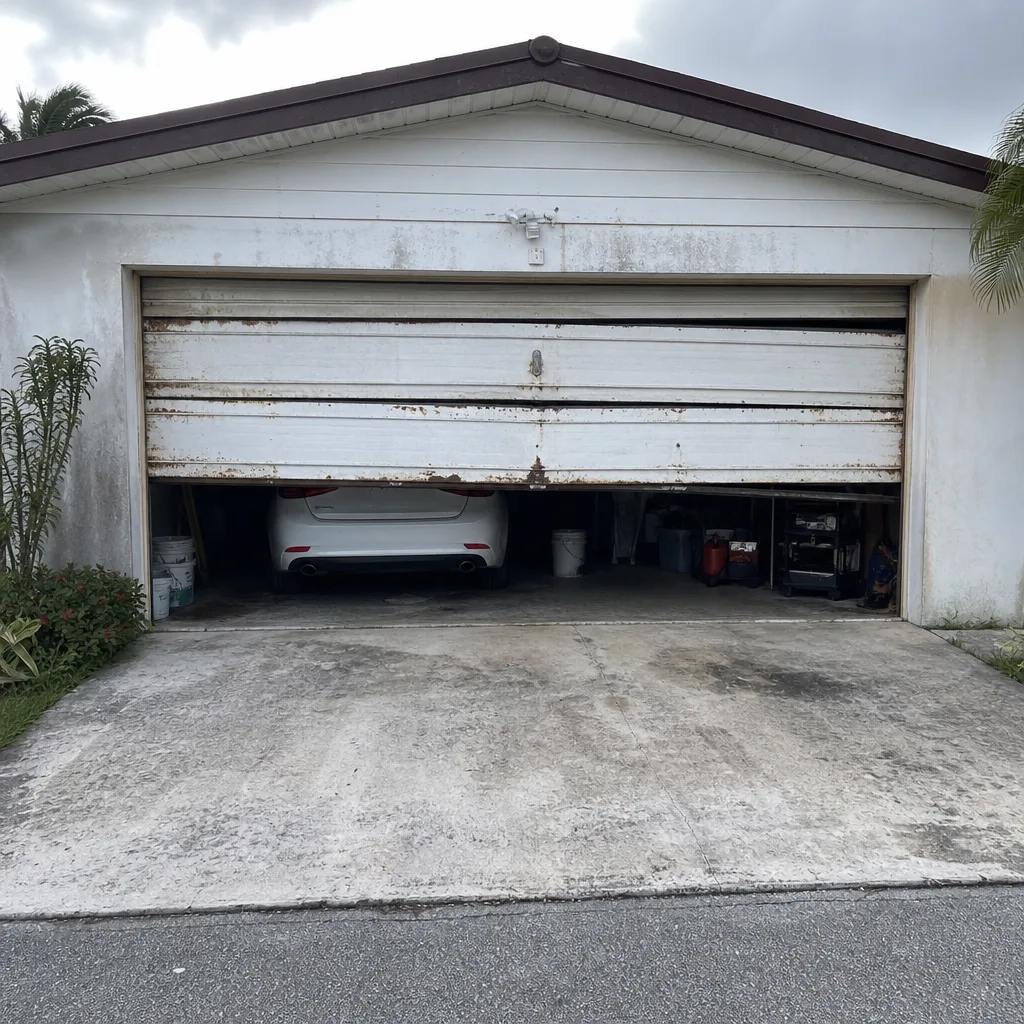 Before
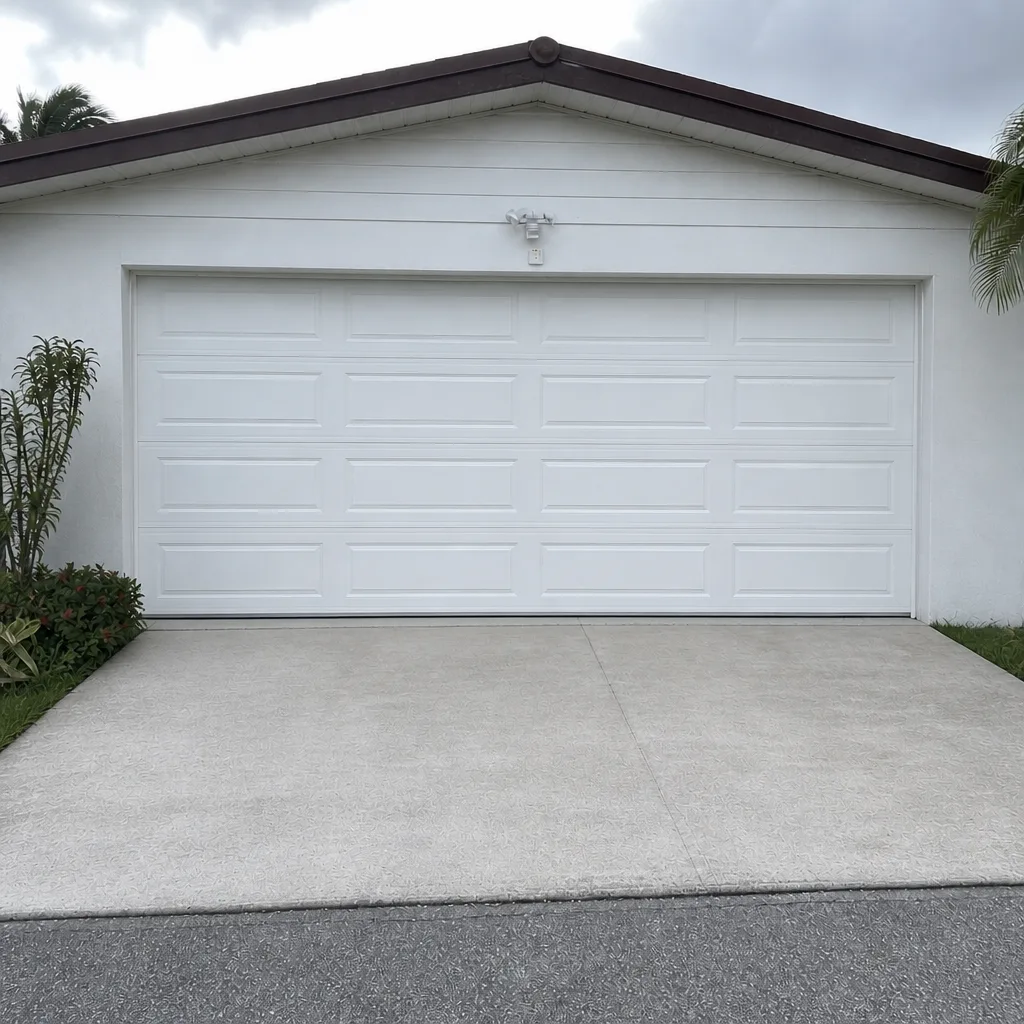 After