Last updated November 21, 2026
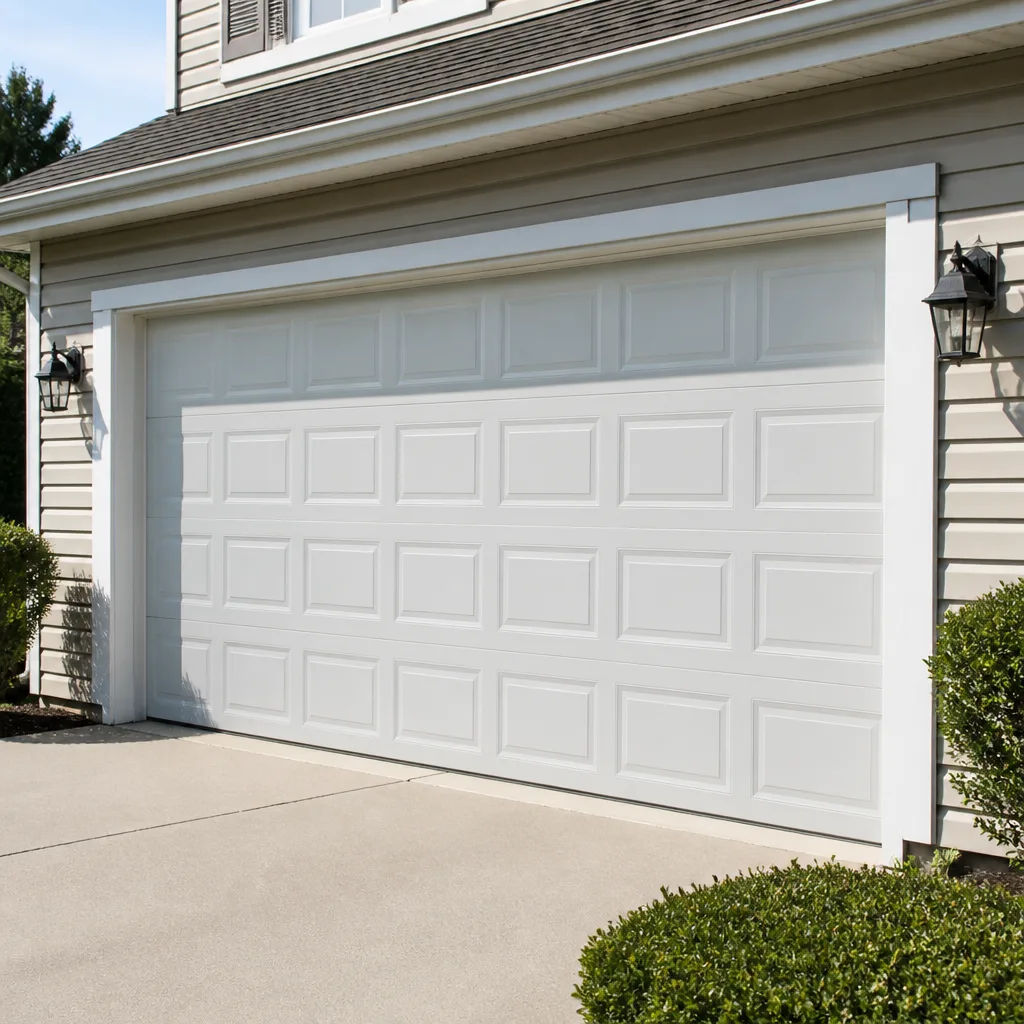 Raised-panel steel
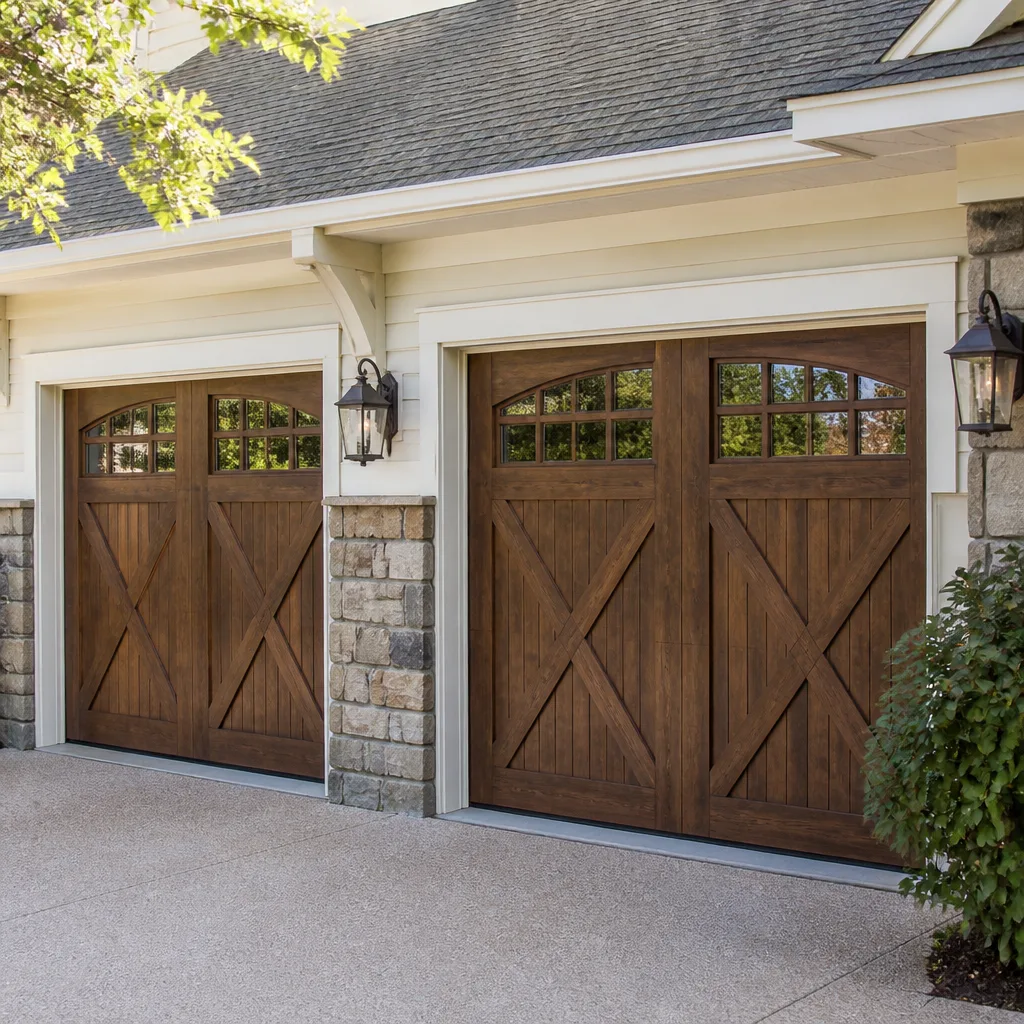 Carriage house
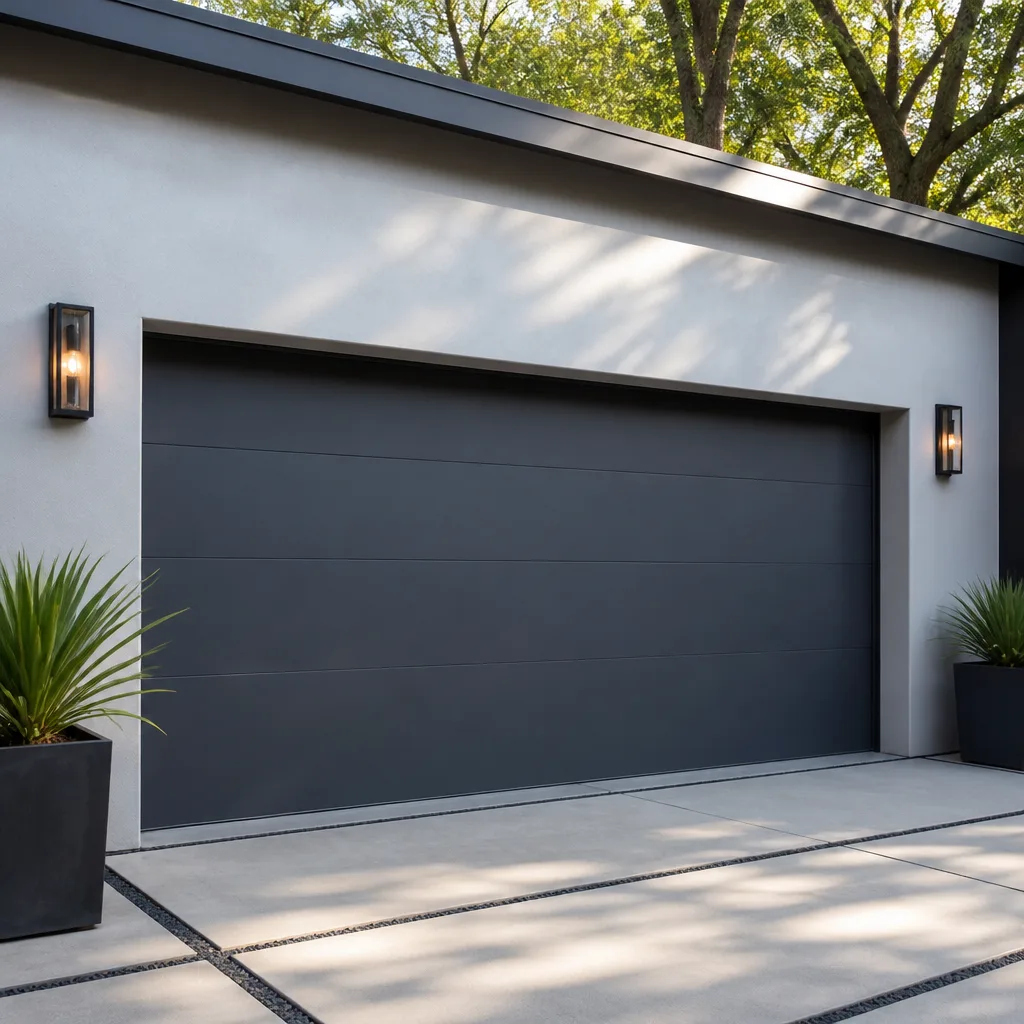 Modern flush
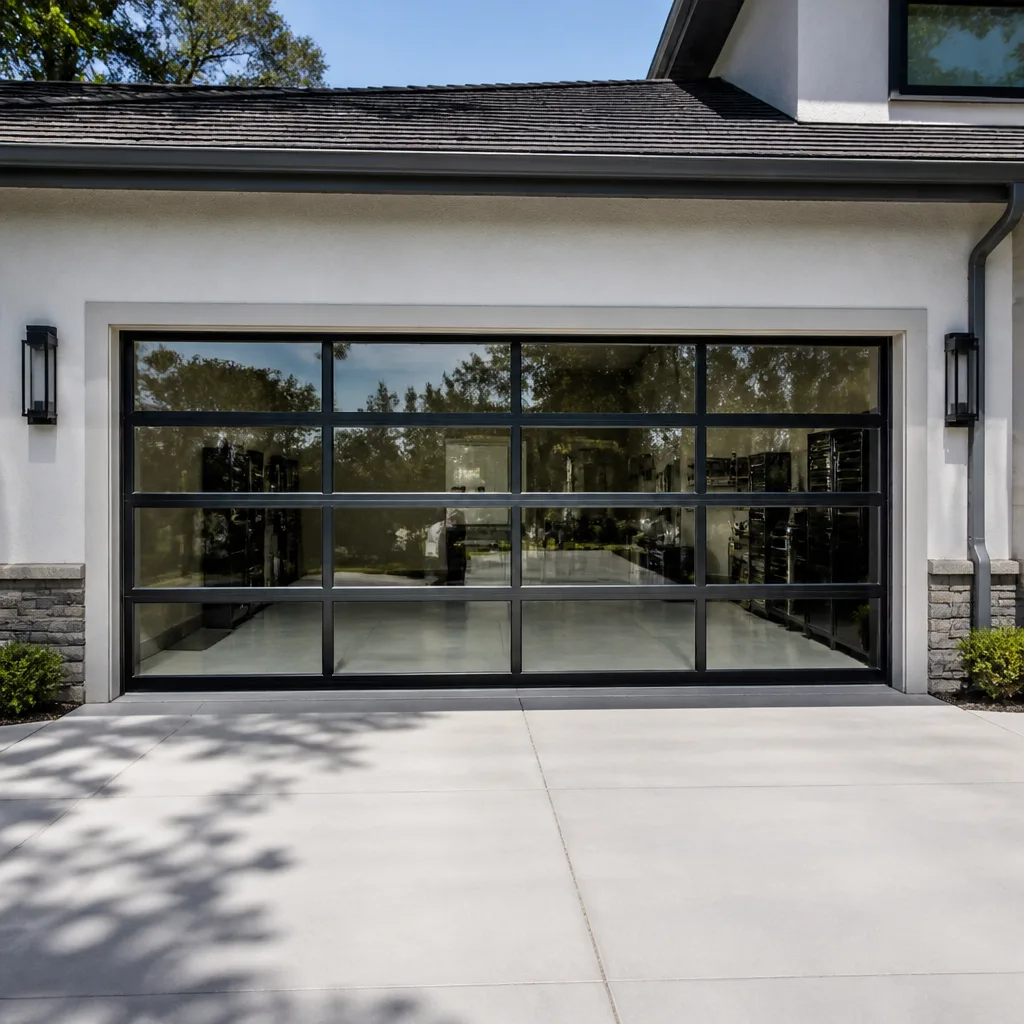 Full-view glass
 LiftMaster openers
 Chamberlain openers
Full 25-point door and opener safety check with every visit - springs, cables, rollers, tracks, and your LiftMaster or Chamberlain opener included
You get a price before we start. It does not change when the pro arrives.
Get your free estimateSeasonal Garage Door Care for Delray Beach: Year-Round Homeowner’s Guide
If you’re servicing your garage door in January because that’s when your Northern neighbors winterize theirs, you’ve already missed the two most important maintenance windows in Delray Beach: the pre-storm prep in May and the post-rainy-season hardware check in November. The calendar most homeowners follow was built for freeze-and-thaw country, and it doesn’t line up with what actually wears out a door here. Delray Beach doesn’t run on four seasons. It runs on hurricane season, rainy season, and dry season, and each one stresses your door in a predictable, repeatable way. This guide rebuilds the maintenance schedule around the climate you actually live in, so you’re tightening the right bolts at the right time instead of guessing. You’ll get month-by-month task lists, the parts that fail first, and a clear line between what you can check yourself and what you should never touch.
Quick Answer
Garage door maintenance in Delray Beach should follow a three-season calendar, not the traditional four-season one: a pre-hurricane inspection in April and May, humidity monitoring through the June-to-September rainy season, and a full hardware audit in October and November before the dry season sets in. The single most important habit is having springs, cables, tracks, and the emergency release checked before storm season arrives, since those are the components that decide whether a door holds up when wind pressure builds. The best window for major repairs or a full replacement is the dry season, December through March, when scheduling is easier and finishing work cures cleanly.
Styles & brands we work with
- Raised-panel steel
- Carriage house
- Modern flush
- Full-view glass
- LiftMaster openers
- Chamberlain openers
Table of Contents
- Why Delray Beach’s Climate Calendar Is Different
- Pre-Hurricane Season Prep (April and May)
- Rainy Season Monitoring (June through September)
- Post-Rainy-Season Hardware Audit (October and November)
- Dry Season Care and the Best Time for Big Repairs (December through March)
- How Temperature Inversion Affects Your Springs
- What You Can Check Yourself and What You Can’t
- Why Brand and Parts Knowledge Matter for Year-Round Care
Why Delray Beach’s Climate Calendar Is Different
A garage door is a mechanical system with four failure points: metal fatigue, moisture, heat, and use. In cold climates, the season that punishes all four at once is winter, so that’s when the maintenance calendar clusters. In Delray Beach, the punishing season is summer, and it stretches. From roughly June through September the air stays heavy and wet, the daily temperature swing is modest, and the door cycles in and out of a humid garage dozens of times a day. Then the dry season arrives, humidity drops, and a different set of problems starts: paint and lubricant dry out, and metal that sat damp for four months starts to show what that moisture did to it.
Add hurricane season, which officially runs June 1 through November 30, and the calendar gets a second layer. Between the storm window and the rainy season, there’s a narrow stretch in April and May where the most valuable maintenance of the year happens: a door that gets inspected and adjusted before the first serious system rolls through is a door that’s far more likely to come through the season intact.
That’s the core idea behind this guide. A Northern maintenance calendar isn’t wrong, it’s just aimed at the wrong months. A Delray Beach door needs its heaviest attention in spring and fall, with watchful eyes through the wet months in between.
Here’s how the year actually breaks down:
- April and May: pre-storm prep. Springs, tracks, braces, and the emergency release get a full going-over.
- June through September: rainy season. Watch seals, wood swelling, opener strain, and rust bloom on hardware.
- October and November: audit and clean. Remove mineral and salt deposits, check every fastener, and correct what the wet season exposed.
- December through March: dry season. The best months for major repairs, panel replacement, and full installation.
If you want the full picture of what a comprehensive garage door repair visit covers, we go through the whole system rather than just the obvious symptom. Seasonal care is the same principle applied to a calendar instead of a breakdown.
Pre-Hurricane Season Prep (April and May)
The two months before storm season are the most valuable maintenance window in Delray Beach, and they’re the one most homeowners skip. This isn’t about battening down hatches in a panic. It’s about confirming that the door’s structural and mechanical systems are sound enough to do their job when pressure builds. A garage door is one of the largest openings in a home, and it behaves differently under wind load than it does in calm weather, which is why the pre-season check matters.
Here’s a step-by-step list for what a thorough pre-season inspection covers. Your technicians follow essentially the same sequence on every visit.
- Spring tension verification. Springs carry the weight of the door and keep it balanced. Over months of use they relax, and a door that’s even slightly out of balance puts strain on the opener and the tracks. A trained technician measures balance and tension directly rather than guessing by feel.
- Cable and drum inspection. Cables run along the sides under real tension, and a compromised cable is a safety concern, not a convenience one. This is a visual check, not a project for the homeowner.
- Track alignment and anchor check. Every bolt, bracket, and hinge gets looked at. Heat expansion over the dry season can loosen things, and a track that’s slightly out of true makes the door scrape or jump for the rest of the year.
- Wind brace and reinforcement inspection. If your door has brace or reinforcement hardware, it’s only useful if it’s fastened correctly. This is also the moment to note the condition of hinges and rollers, since they’re what hold everything together on the perpendicular face.
- Emergency release testing. That red pull cord is the one manual control that must work when power doesn’t. Testing it now means you know exactly how it behaves before you ever need it.
- Weather seal inspection. Seals take a beating during the wet months. Inspecting them in spring, before they’re tested for four months straight, gives you a head start.
- Opener and sensor check. The safety sensors near the floor get cleared, aligned, and tested. Remote and wall controls get checked for range and function. If you have a LiftMaster or Chamberlain opener with smart features, connection and battery backup get verified at the same time.
The value of doing this in April or May is scheduling. When a system forms, every door in the region with a problem decides to show it at once. Getting in ahead of the crowd means the work gets done calmly and completely, rather than as an emergency. Our technicians have up to 10 years of experience, and across that time the pattern never really changes: the doors that come through storm season with the fewest problems are the ones that got attention in spring.
Rainy Season Monitoring (June through September)
This is the season that quietly wears your door down. Rainy season doesn’t usually break a garage door outright. It fatigues it, slowly, through daily humidity cycles that most homeowners never notice until something fails on a Tuesday morning when the car’s already loaded and the clock is running. This is where daily habits separate a door that lasts from one that starts costing money.
How daily humidity fatigues bottom seals
Your bottom seal sits at floor level, in the most humid few inches of the garage, and it cycles from damp to dry and back almost every day. That cycle causes the rubber or vinyl to stiffen, crack, and lose its shape over time. Once the seal stops flexing, it stops sealing, and you get water intrusion under the door, which then affects the bottom panel and the tracks. The early signs are easy to spot: a seal that’s flattened along its contact edge, visible cracks, or daylight showing under the closed door. Replacing a worn bottom seal is a fast, low-cost fix that protects everything above it, and it’s the kind of small job worth doing before it turns into a bigger one.
Wood door swelling and what it does to your opener
If you have a wood or wood-composite door, the rainy season is when it swells. Wood absorbs moisture along its edges and where it meets the frame, and swelling can make the door stiff, uneven, and heavier than it was designed to be. Your opener is matched to the door’s weight and travel. When the door gets heavier and starts binding in its tracks, the opener has to work harder, and the motor, gear, and belt or chain take the strain. A door that suddenly sounds louder, moves unevenly, or triggers the auto-reverse on closing is telling you the door is straining the opener, not that the opener has failed. That’s why we diagnose the door and the drive system together, not in isolation. Our garage door opener repair visits always start with the door itself, because that’s usually where the problem is coming from.
What to watch through the wet months
- Rust bloom on hardware. Look for small orange-brown spots on hinges, rollers, brackets, and track surfaces. Catching them early means a light clean and a lubricant, not a replacement.
- Water stains or dark marks on the bottom panel. A sign the seal has stopped doing its job.
- Changing opener sound. A new grind, clunk, or groan during travel usually means the door has gotten heavier or is binding.
- Uneven travel or hesitation. The door should move at a steady pace in both directions. Stalling or jerking points to tracks, rollers, or balance.
- Sensor false trips. Humidity causes condensation on safety sensor lenses. A quick clean often resolves a door that won’t close, but if it’s recurring, it’s worth having the system checked.
One of the reasons brand knowledge matters during the rainy season is that different manufacturers have different seal systems and track profiles. Knowing exactly how a Clopay door is assembled or how a Genie opener behaves in the humid months saves time and avoids guesswork. We service LiftMaster, Chamberlain, Genie, Clopay, Amarr, Wayne Dalton, Craftsman, and Raynor, and working on the brand you already have is a lot more efficient than working around it. You can see what our Delray Beach Garage Door Repair Pros team covers across the whole service range.
Post-Rainy-Season Hardware Audit (October and November)
The rainy season is over, but the damage it did is still there, and the dry months ahead are going to make it visible. This is the season of the hardware audit: a systematic clean-and-check that catches what four months of moisture left behind before it spreads. Here’s the thing most homeowners get wrong: corrosion on garage door hardware doesn’t stop when the rain stops. Surface corrosion accelerates once the air gets dry, because mineral deposits left on metal from the wet months are the perfect starting point.
The post-rainy-season audit checklist
- Clean all metal hardware. Hinges, rollers, brackets, track, and any exposed fasteners get wiped down to remove mineral deposits and surface contamination. Even a simple damp-wipe catches the worst of it.
- Look for corrosion starting points. Pay close attention to where hardware meets the door, where water can sit in hollow rollers, and along the bottom of the tracks. Small rust spots get treated, larger ones get replaced.
- Re-lubricate with the right product. A garage-door-suitable lubricant, not household oil and not silicone on moving parts that need it. The right product stays put and protects through the dry season.
- Re-check the seals and bottom panel. Replace anything the wet season finished off.
- Test balance and spring tension. Four months of use adds up. A door that was balanced in May may need adjustment by November.
- Inspect the tracks. Look for dents, misalignment, and debris. A clean, straight track is the foundation for quiet operation.
- Check the opener motor and drive. Look at the chain or belt for wear, check that the safety reverse and force settings are correct, and test the wall control, remotes, and any smart features.
- Walk the whole perimeter. Anywhere water penetrated gets noted and corrected before the dry season hides it.
This audit is also the right moment to decide what gets repaired now versus what can wait. Doing it in October or November gives you a full dry season to complete any work, which is a much more relaxed schedule than trying to arrange it in the weeks before the next storm season opens. If you do find a component that’s failed, a garage door spring repair or a track realignment can typically be handled well before the next rainy season.
Dry Season Care and the Best Time for Big Repairs (December through March)
December through March is the most pleasant stretch of the year, and it’s also the best window for anything substantial: spring replacement, panel repair, opener replacement, and full installation. The finish work on installation cures best in dry air, scheduling is easier, and work done now has months to settle before storm season returns. If you’re planning a door replacement, this is when you want to move on it.
UV and painted steel panels
Every panel of a garage door faces the sun, and in the dry season the UV exposure is intense and unrelenting. Painted steel panels are the most common residential choice, and the paint is doing a job beyond looks: it’s the barrier protecting the steel beneath. When paint fades, chalks, or develops fine cracks, moisture gets into the layer below and starts the corrosion cycle. An annual wash and a light application of a non-abrasive finish-protectant is a low-effort way to keep paint doing its job.
Lubricant evaporation in low humidity
Every moving part on your door has a film of lubricant protecting it. In low-humidity air, that film evaporates. Springs, hinges, rollers, and the opener’s drive components all dry out faster than most homeowners expect, which is why lubricant should be re-applied as part of the dry-season routine rather than once a year. A simple rule: any part that moves gets a check and, if it’s dry, a fresh application. This alone prevents a surprising amount of metal-on-metal wear.
The dry-season work plan
- Re-lubricate the moving parts. Hinges, rollers, torsion springs (springs get a specific spring lubricant, not general-purpose oil), and the opener chain or belt.
- Wash and protect the paint. A gentle wash and a finish-friendly protectant after it dries.
- Address UV damage. Touch up small chips and check for fading along the sun-facing panels.
- Replace anything that was flagged in the post-rainy audit. Springs, rollers, seals, or opener components. Getting this done now means it’s behind you before the next storm season.
- Inspect fasteners. A tightening pass on all brackets, hinges, and the track is a fast but valuable habit.
- Review the opener settings. It’s the best time to check travel limits, force, and safety-reverse function.
If you’re seriously considering a full replacement, the dry season is the natural time to start. Our garage door installation team can walk through the door options from Clopay, Amarr, Wayne Dalton, and Raynor and help you match a door to your home’s structure, your budget, and your priorities.
How Temperature Inversion Affects Your Springs
Here’s where Delray Beach genuinely differs from a cold-climate market. In a traditional four-season climate, springs fatigue from seasonal extremes: the cold snaps and the heat spikes, the deep winter and the height of summer. There’s a rhythm to it. In South Florida, there isn’t. The year-round pattern is a daily temperature inversion: relatively cool nights and warm days, with that swing repeating almost every day of the year. That daily cycle is what actually does the wear on your torsion springs.
Metal expands slightly in the heat and contracts in the cool of the night. Each cycle adds a tiny amount of mechanical stress. A torsion spring opens and closes a heavy door every single time your car comes or goes, and it’s doing that in a climate with hundreds of freeze-and-thaw-style thermal cycles over the course of a year, just at a smaller temperature delta. The result is a fatigue curve that’s different from the North: steady, year-round wear rather than concentrated seasonal wear. That’s why spring replacement intervals in Delray Beach tend to be shorter than the national average. There’s no off-season when your springs get a break. They’re working year-round, and the thermal cycling never stops.
What this means for you is simple: don’t wait for a spring to break to think about it. If your door is 7 or 8 years old and has been in the same house its whole life, have the springs inspected. A technician can measure tension and tell you whether they’re still within spec. This is also the reason we treat spring work as a dedicated service rather than an add-on to general repair. Springs are the highest-risk component in the entire system, and they deserve the attention that comes with specialized training and tools.
One more thing worth understanding: a spring that fails doesn’t just fail. It releases its stored energy suddenly and violently. That’s why spring inspection and replacement fall firmly on the professional side of the line. It isn’t about whether you’re handy. It’s that a wound torsion spring is one of the most dangerous components in a house, and the tools to handle it safely are specialized equipment, not something in a standard toolbox.
What You Can Check Yourself and What You Can’t
We like an informed homeowner. A homeowner who knows what to look for catches problems months earlier and describes them accurately when they call. There’s a genuine DIY layer to seasonal garage door care, and it’s mostly visual and behavioral. The line isn’t about your skill level; it’s about what’s safe to touch and what isn’t.
Safe, useful checks a homeowner can do
- Watch and listen. Ride the door up and down and note any new noise, hesitation, or uneven speed. A door that was quiet and isn’t anymore is telling you something.
- Look for obvious damage. Cracks in the bottom seal, rust spots on hinges, dents in tracks, and any visible cable fraying are all worth noting and reporting.
- Test the emergency release. With the door closed, pull the release, then carefully raise and lower it. It should move smoothly and not drop. Then re-engage it properly before using the opener. This is a safe, valuable habit to build in spring.
- Clean the safety sensors. Wipe the sensor lenses and confirm the door reverses when an object interrupts the beam.
- Wash the panels. Gentle soap and water, no pressure washing or harsh chemicals, on the outer face.
- Keep the tracks clear and clean. A dry cloth to wipe dust and debris, and nothing else. Do not use solvent-based cleaners on tracks.
- Check the opener’s remote and wall controls. Replace remote batteries and confirm all controls work.
What should always be left to a trained professional
- Torsion spring tensioning and replacement. The springs store enormous energy, and a spring under tension can release it suddenly. This is not a safe DIY job, full stop. Wound springs and cables are the components that cause serious injury, and this is exactly why a trained technician with the right equipment should do the work.
- Cable replacement. Cables are under load and a failure can be dangerous.
- Track realignment where bolts and anchors are involved. Getting it right depends on accurate measurement as much as tightening.
- Opener installation and electrical connections. Any work involving wiring at the opener or the panel should be done by a professional. If you’re ever swapping the opener or its power supply, that’s a job for a qualified person; we don’t recommend opening the panel yourself.
- Safety reverse force calibration. The door’s force and reverse settings need to be correct. Getting these wrong is a real safety concern.
The trade-off is simple. Visual checks and simple tests catch a lot of problems early. The moment something involves springs, cables, tension, or wiring, professional hands are the right hands.
Why Brand and Parts Knowledge Matter for Year-Round Care
A seasonal maintenance plan only works if it’s built around the specific equipment you have. A generic checklist applied to a LiftMaster opener, a Clopay door, and a set of Wayne Dalton tracks works, but it’s not efficient. Different brands have different track profiles, different seal shapes, different opener travel limits, and different ways of telling you they’re unhappy.
We service eight of the most common residential brands you’ll find in U.S. homes: LiftMaster, Chamberlain, Genie, Clopay, Amarr, Wayne Dalton, Craftsman, and Raynor. That means we’re not reverse-engineering what your system is trying to do. We know its design language. If you have a LiftMaster or Chamberlain opener with smart-home features, we know how to test the smart functions and the battery backup. If you have a legacy Craftsman or Genie unit, we know the wear patterns that show up on those. If you’re installing a new door, we can recommend from Clopay, Amarr, Wayne Dalton, and Raynor across the value, mid-range, and premium tiers without pushing you toward whichever one happens to be on a promotional sheet. Your opener, your brand, our expertise.
Why a specialist matters
A door is a system: panels, springs, tracks, cables, rollers, seals, and a drive unit that ties them together. When something goes wrong, the problem often isn’t where the symptom appears. The opener makes a strange noise, but the problem is a binding track. The door won’t close, but the problem is a sensor or the balance. Solving the actual problem depends on being able to diagnose across the whole system. That’s what our expertise is built around, and it’s why we’re not a general repair outfit. We work on doors, and only doors.
Common Mistakes to Avoid
- Maintaining on a Northern calendar. Spring and fall are the anchor months in Delray Beach, not the late-winter prep cycle you’d do in a colder state. Put the heaviest work in April and May, and the audit in October and November.
- Waiting for a spring to break. Thermal cycling wears springs steadily all year, and by the time one snaps it’s often been running on borrowed time for months. Have them inspected when the door starts getting older, especially in a house where the door’s been in place for years.
- Using the wrong lubricant. Household oil and spray silicone are not the same as garage-door lubricant. The wrong product attracts dust, migrates off the parts that need it, and can make things worse.
- Ignoring a “just a little” noisy door. A door doesn’t quiet down on its own. Growing noise, uneven travel, or hesitation is a signal, not a personality trait, and catching it early is the difference between a repair and a replacement.
- Putting off the pre-storm check because “nothing’s wrong.” The pre-hurricane inspection is specifically for the things you can’t see or hear. A balance problem or a loosened anchor isn’t a problem until it is.
- Letting the bottom seal go. It’s one of the cheapest parts on the door and it protects everything above it. Replacing it before the rainy season is a small job that prevents a bigger one.
- Skipping the safety checks. The emergency release, the auto-reverse, and the sensor function are not “nice to have” items. Testing them is the most important thing a homeowner can check, and it’s a five-minute habit.
See the difference
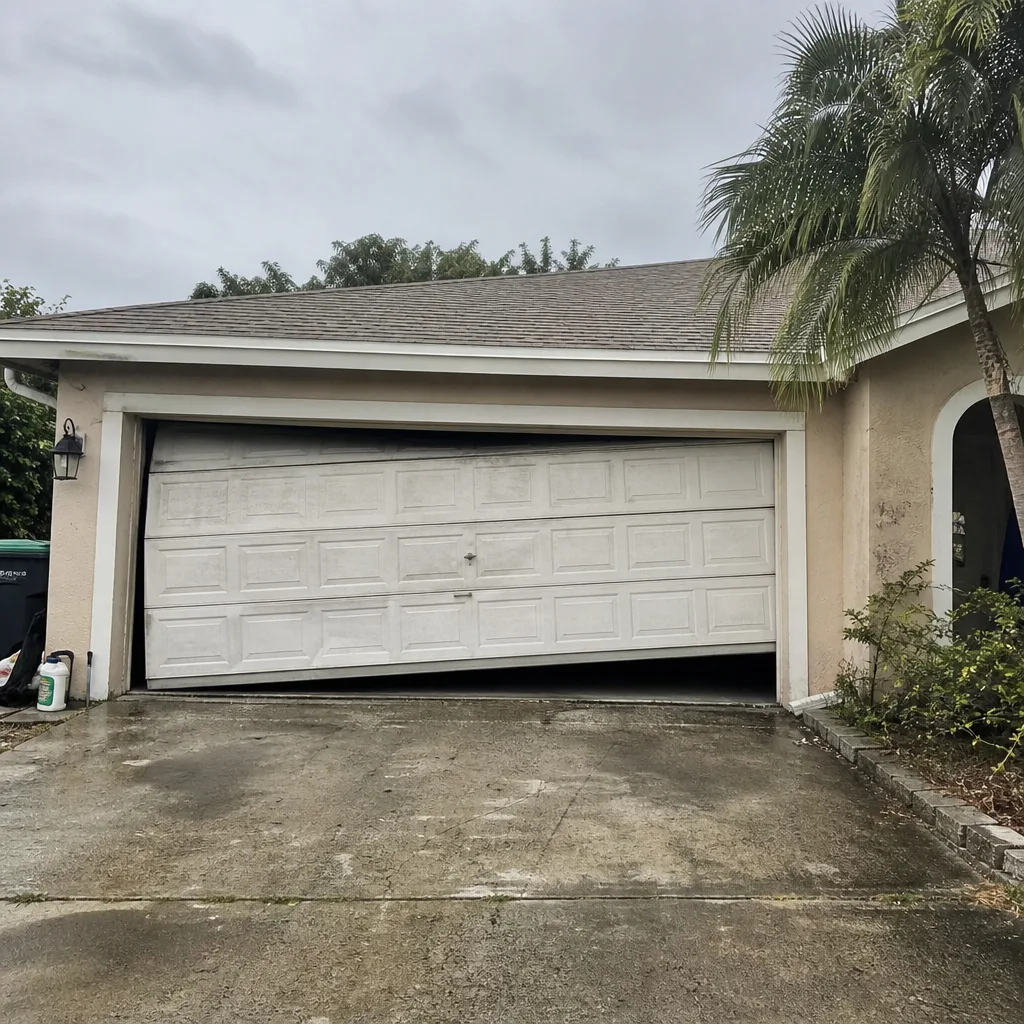 Before
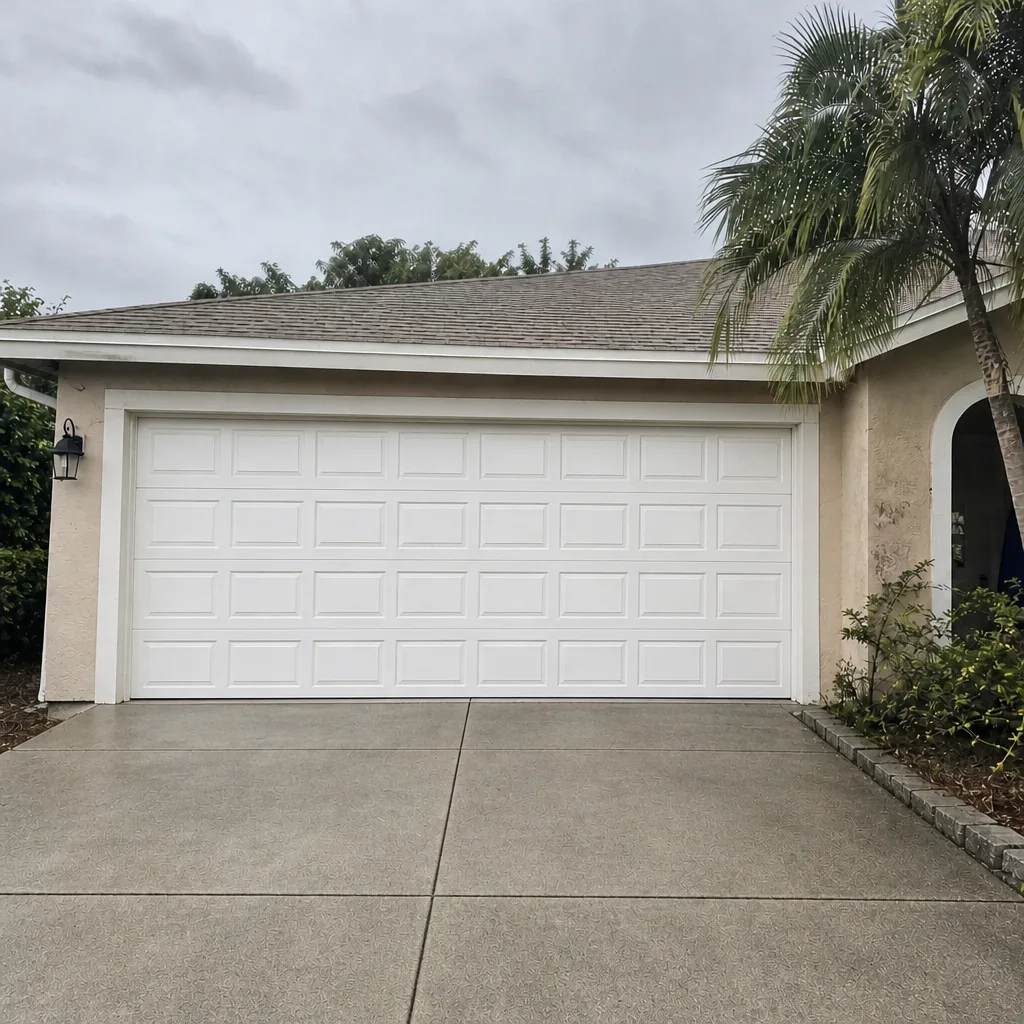 After
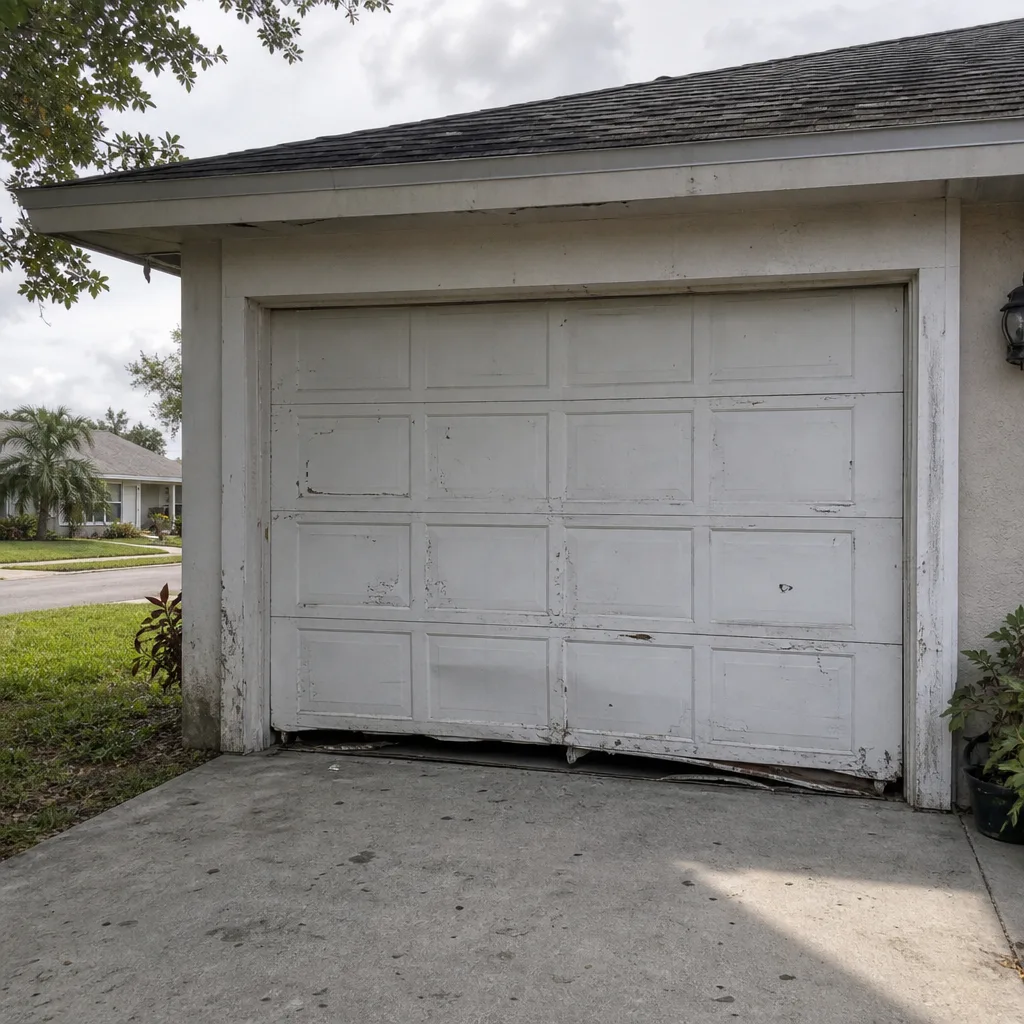 Before
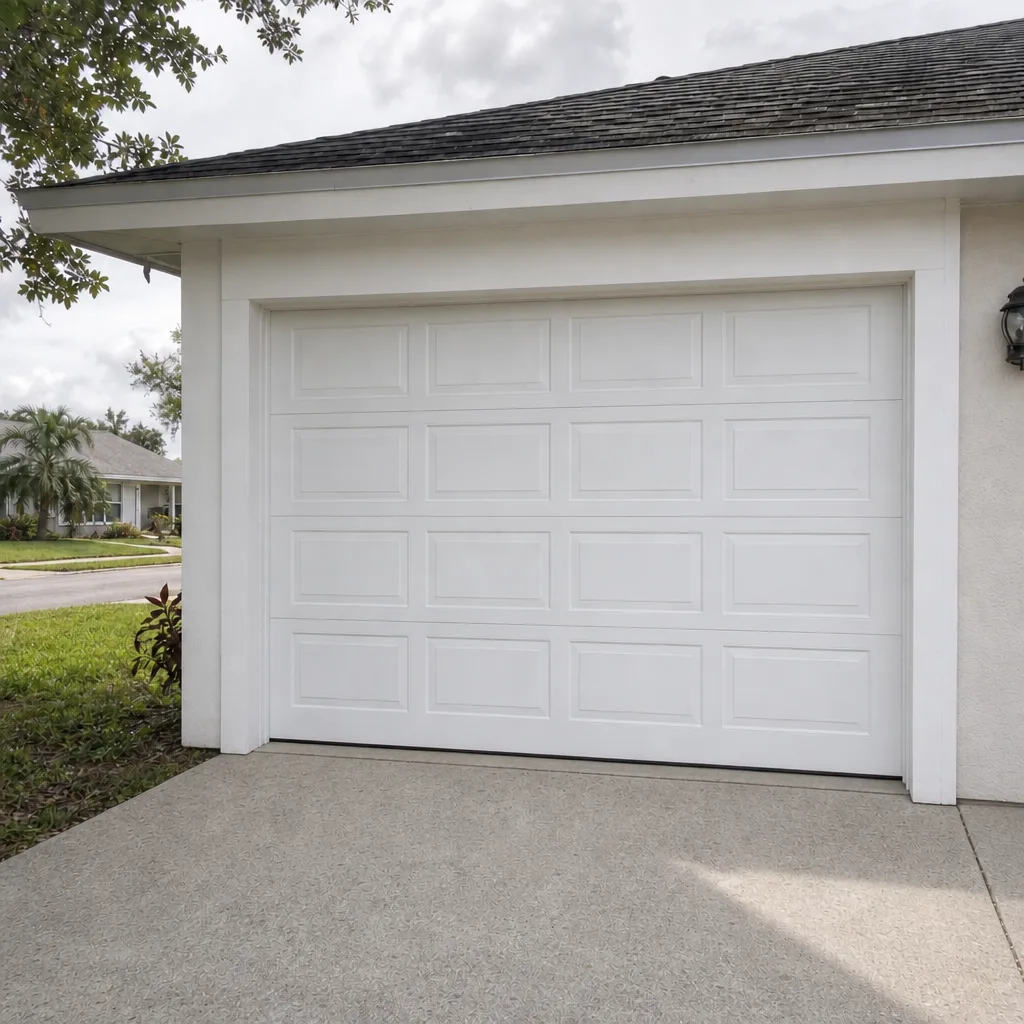 After
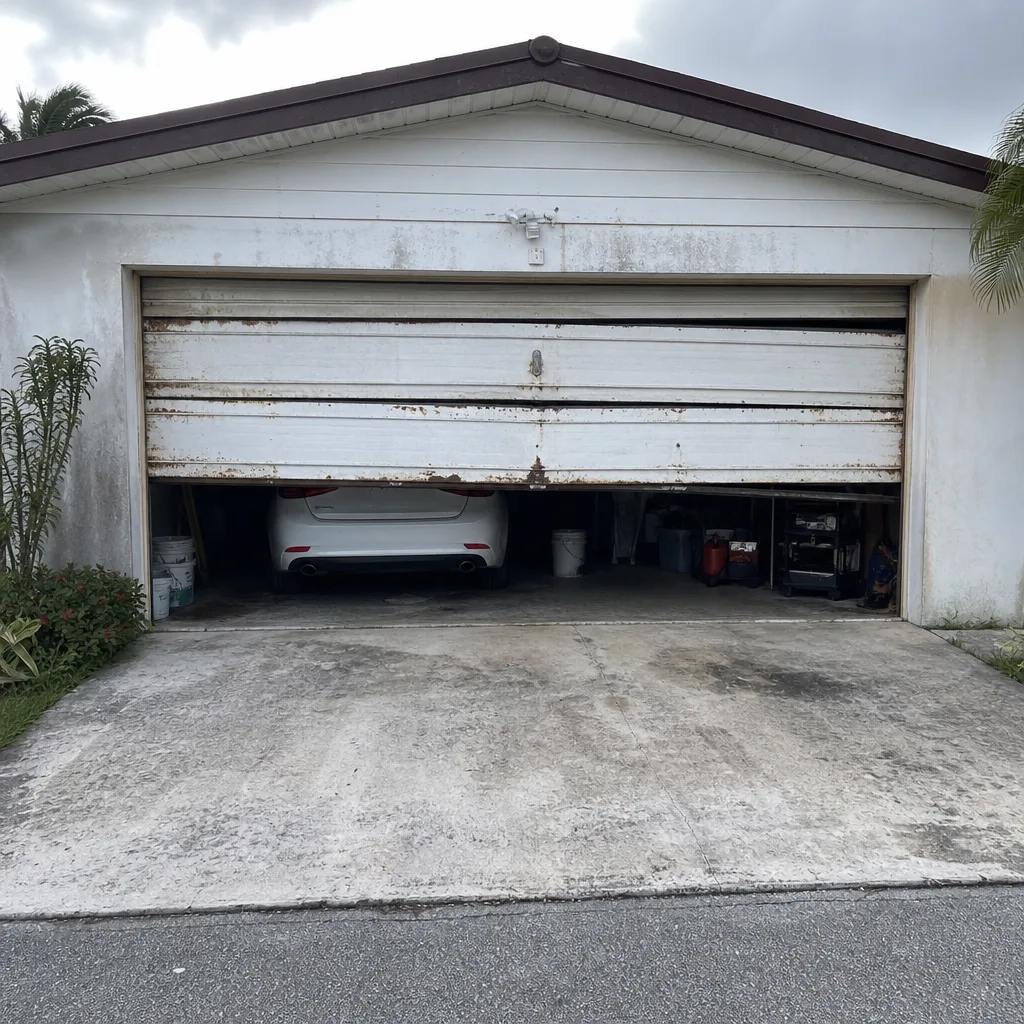 Before
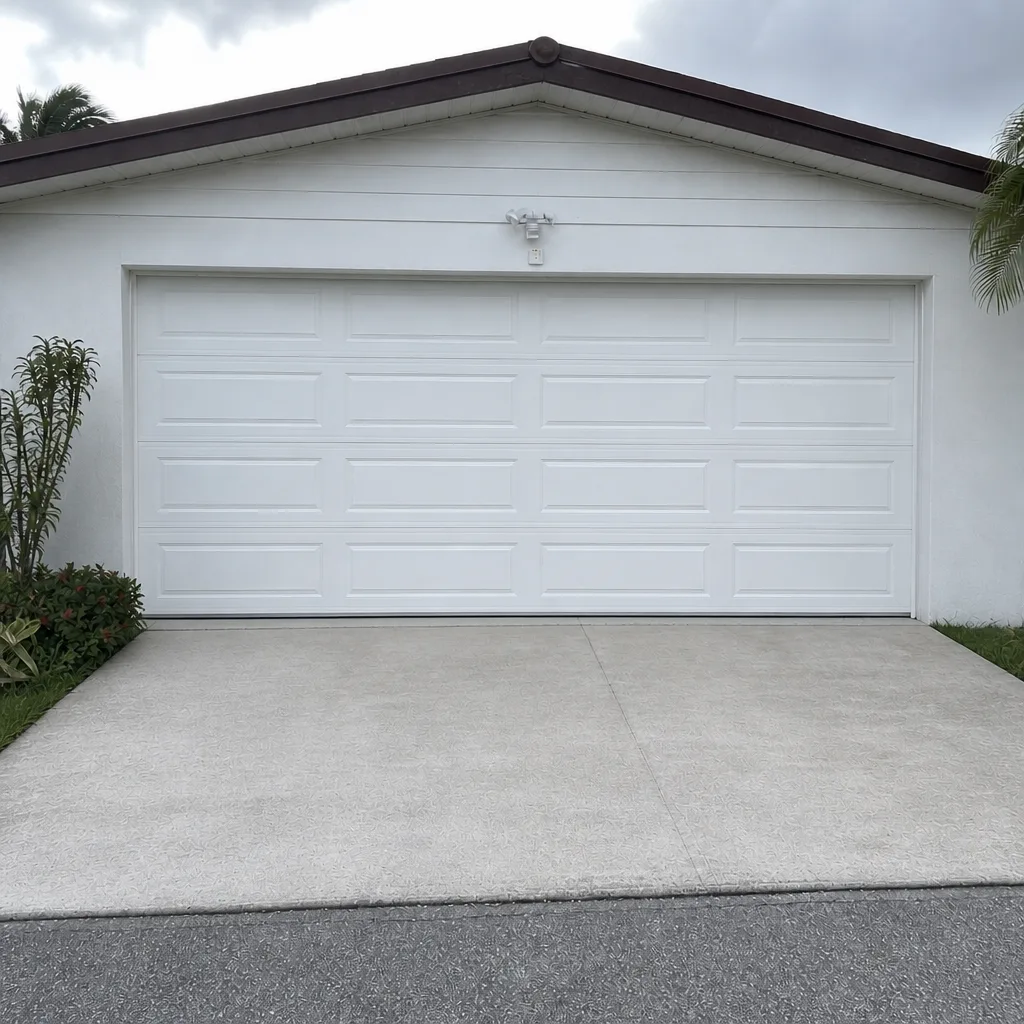 After
When to Call a Professional
Not every door issue needs a call. But some do, and knowing which is which saves homeowners real trouble. Call us when the door won’t open or close at all, when you hear or see a broken spring (a door that opens a few inches and then stops is the classic sign), when the door is visibly off its tracks or you see frayed or slack cables, and when the opener runs but the door doesn’t move. Call when the noise changes significantly, when the door moves unevenly or reverses without contact, and when the bottom panel is showing damage. If you’re planning major repairs, a replacement, or an upgrade to a smart opener, schedule a visit during the dry season to get ahead of the schedule. And call when something is beyond a visual check, or when anything involves spring tension or electrical work. Delray Beach Garage Door Repair Pros offers free estimates in Delray Beach, and our technicians can diagnose both the door hardware and the drive system in the same visit, so you’re not coordinating two trades. Call (855) 393-4914 and we’ll set a time. For urgent situations, our emergency service exists for exactly that reason.
Frequently Asked Questions
April and May are the best months for the most important maintenance window, because everything checked then is protected through hurricane season. November is the second-best window, because it’s the right time to audit the hardware after the rainy season and to schedule any major repairs before the dry season. If you can only do one maintenance visit a year, do it in spring, before storm season begins.
Because the daily temperature inversion, cool nights and warm days repeated year-round, puts constant thermal cycling on the springs with no off-season. Cold climates concentrate stress into a few months and give the door a break in the middle. Delray Beach never gives the door a break, so the cumulative wear is steady and the replacement interval is generally shorter. Call (855) 393-4914 to have your springs inspected if you’re unsure of their age.
Yes. The pre-season check should cover spring tension and balance, cable and drum condition, track alignment, wind brace and reinforcement hardware, the emergency release, seals, and the opener with its safety sensors. Testing the emergency release is the most important homeowner check, but the mechanical parts are a professional job. Book it in April or May so it’s done before the season opens.
The wet months stress it through humidity cycles and heat. Bottom seals fatigue, wood doors swell and put strain on the opener, and metal hardware starts to show corrosion. The door itself usually doesn’t fail outright during the rainy season; it wears down. Watching for a louder or slower door, water marks on the bottom panel, and rust spots on hinges lets you catch it early.
No. Any work we recommend gets quoted and agreed before any work starts, and the written estimate is the price. The inspection tells us what’s actually needed, the estimate reflects that, and you decide before anything begins. If we find something different during the visit, we come back to you with it first. Call (855) 393-4914 for a free estimate.
We handle both, and we diagnose them together. The door hardware and the drive system work as one unit, and the problem is often not where the symptom shows up. If your Clopay door is binding, your LiftMaster or Chamberlain opener will strain; if your opener is failing on its own, we test that too. One visit covers the whole system.
The Bottom Line
Delray Beach runs on a different calendar than the rest of the country, and your garage door maintenance should follow it. The two most important windows in the year are April and May, before storm season, and October and November, after the rainy season. The work between them is a mix of homeowner checks and one professional inspection, and the work in the dry season is where the big projects belong. Springs get more year-round wear here than in a cold climate, so don’t wait for one to snap. Seals and hardware need attention through the wet months, and everything needs cleaning before the dry air accelerates corrosion. That’s the whole schedule. The one part that shouldn’t be DIY is anything involving springs, cables, or wiring, and that’s where a trained technician earns their keep. A door that gets the right care at the right time is a door that keeps your home secure through every season Delray Beach hands it.
If you’d like the seasonal plan handled for you, or you’ve noticed something on your door that needs a closer look, call Delray Beach Garage Door Repair Pros at (855) 393-4914 for a free estimate. We work on the brand you already have, and we’ll tell you exactly what your door needs, and what it can wait on.
Written by the team at Delray Beach Garage Door Repair Pros.