Last updated November 21, 2026
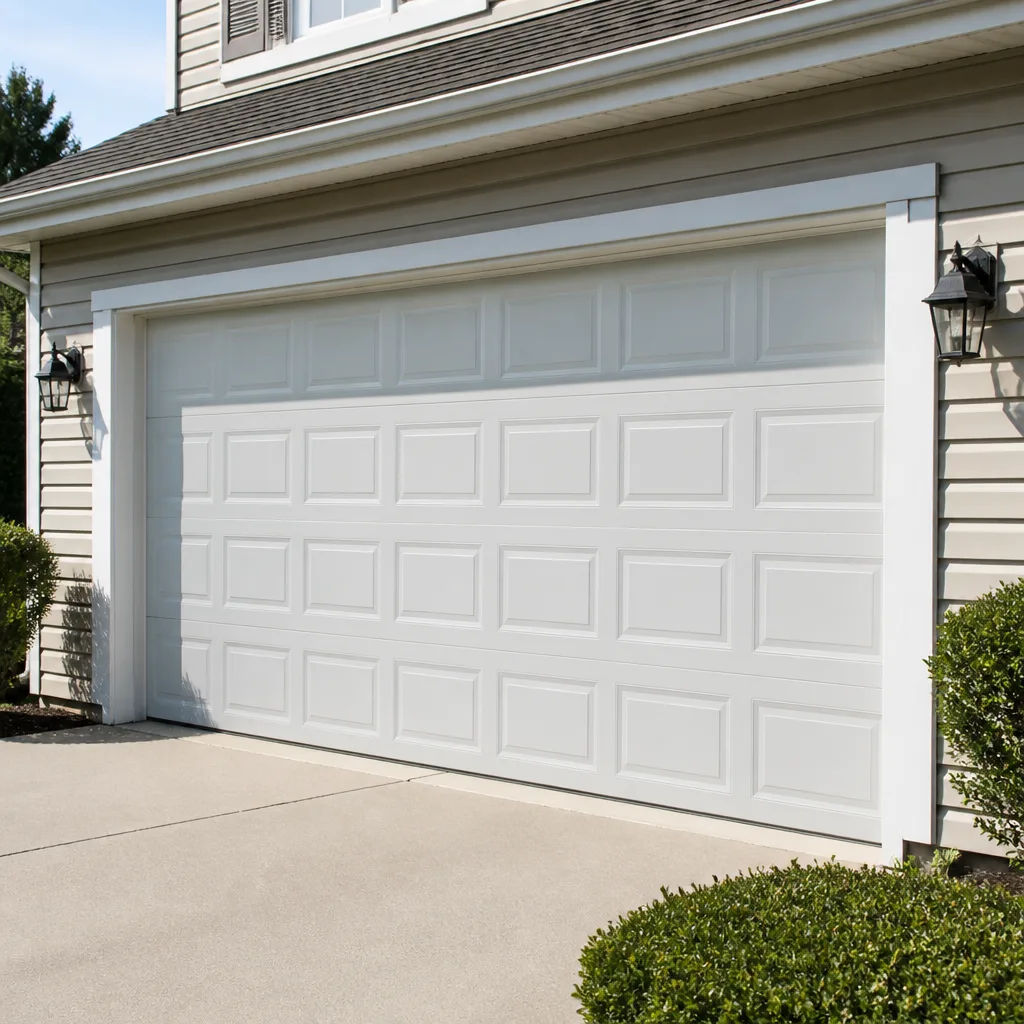 Raised-panel steel
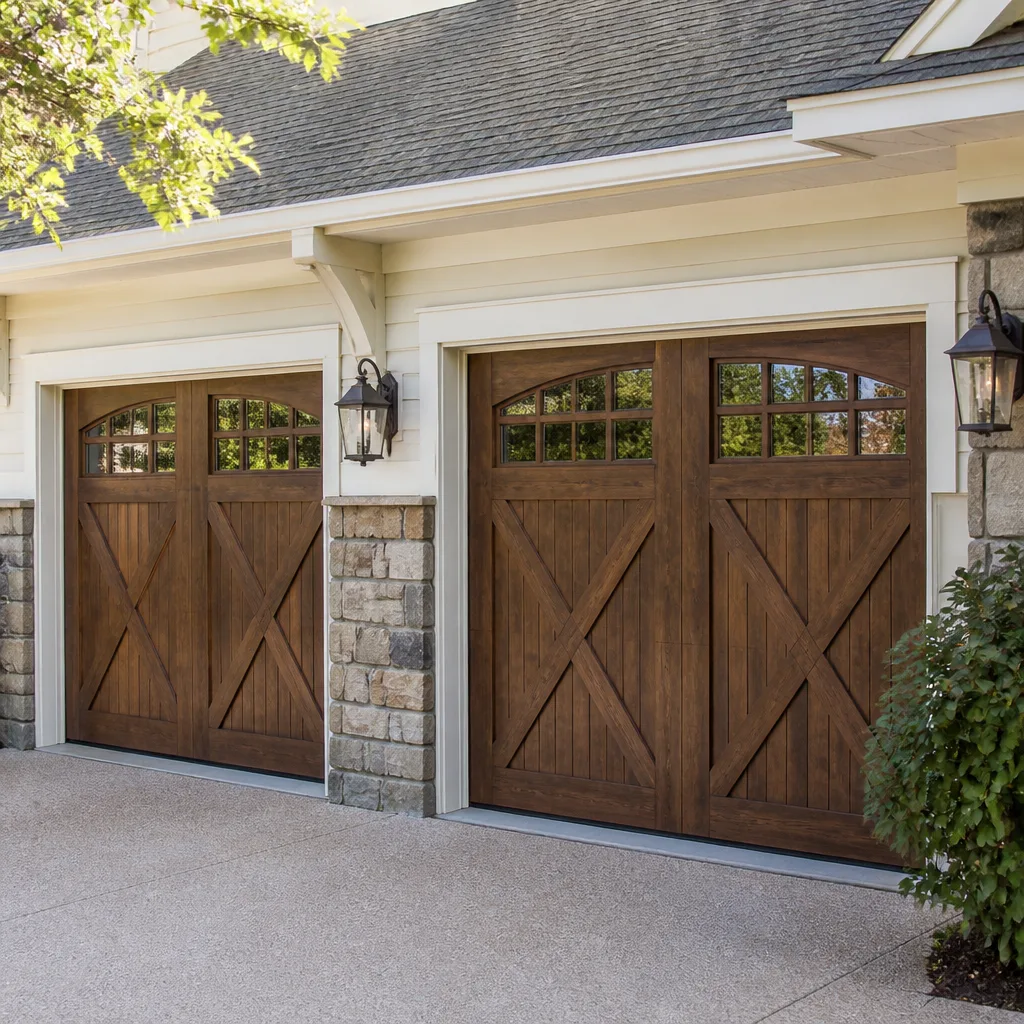 Carriage house
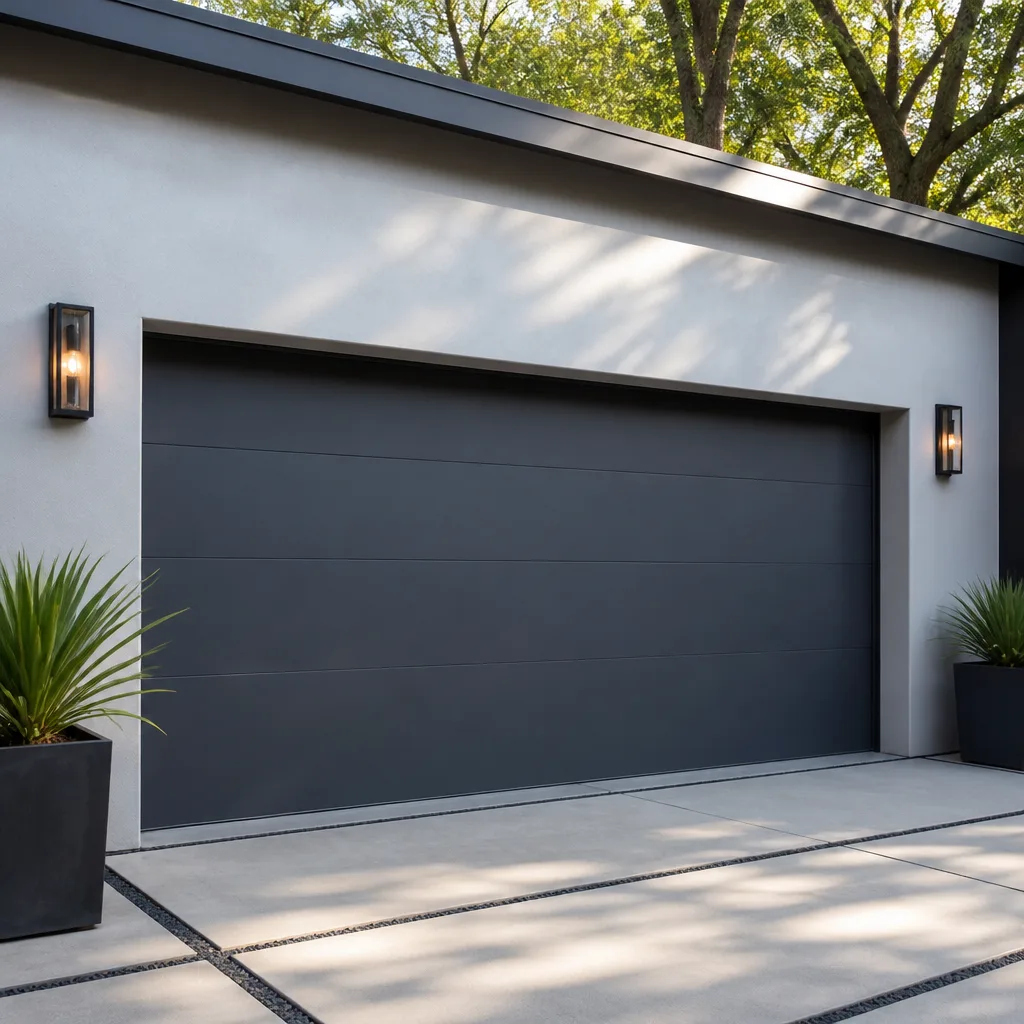 Modern flush
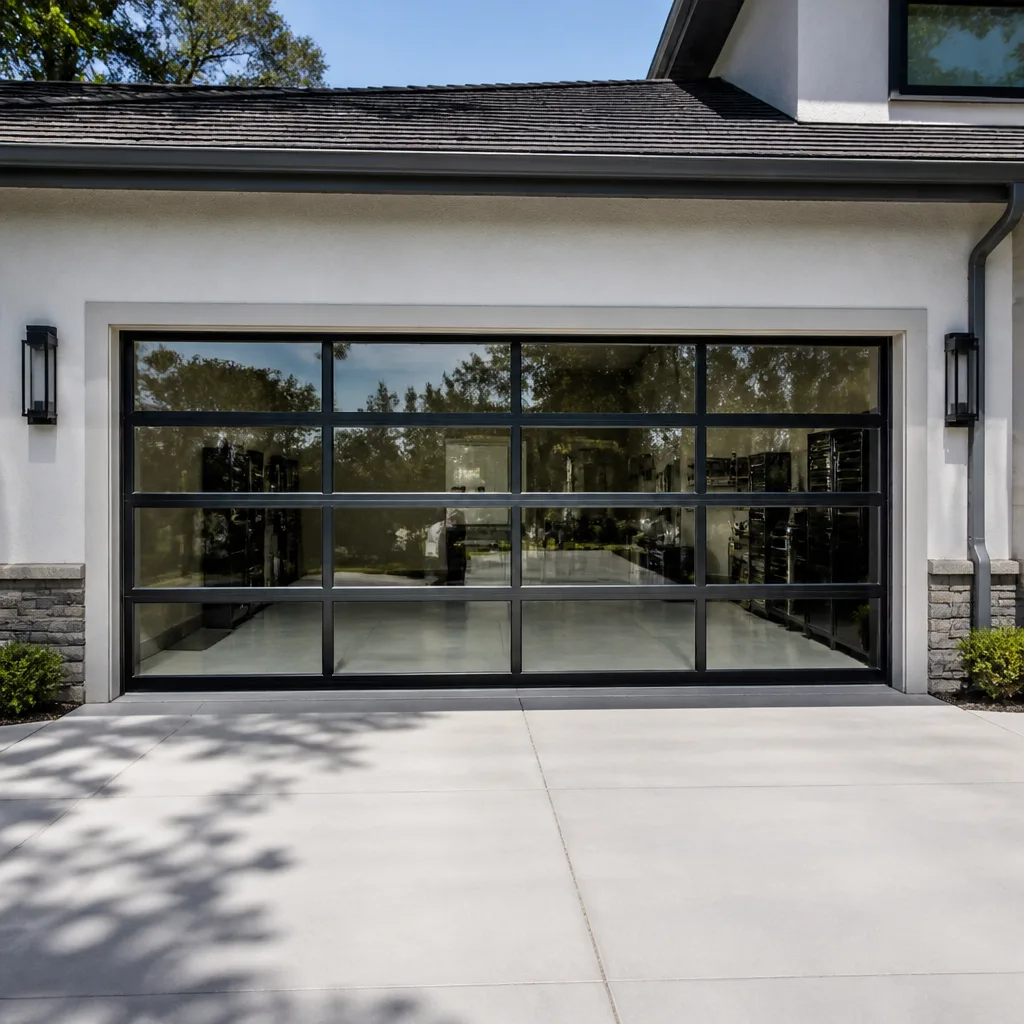 Full-view glass
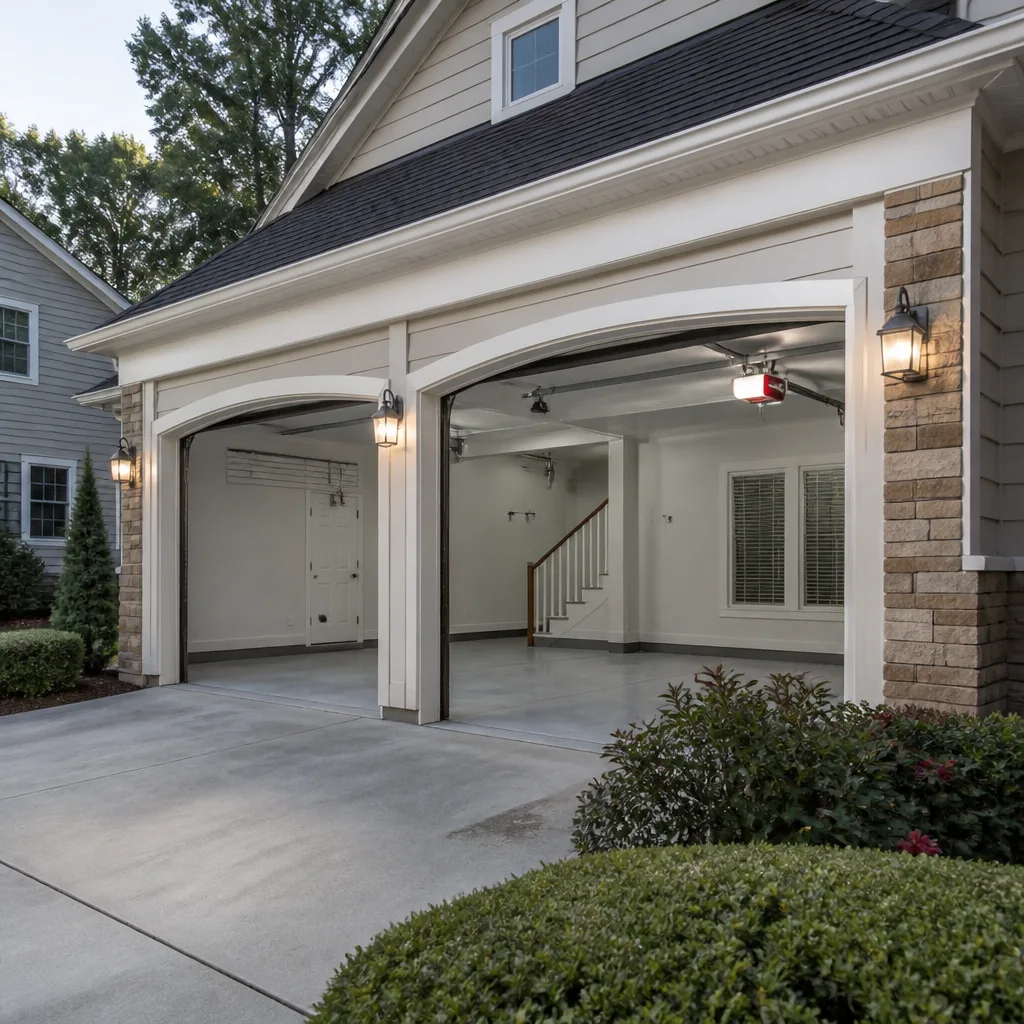 LiftMaster openers
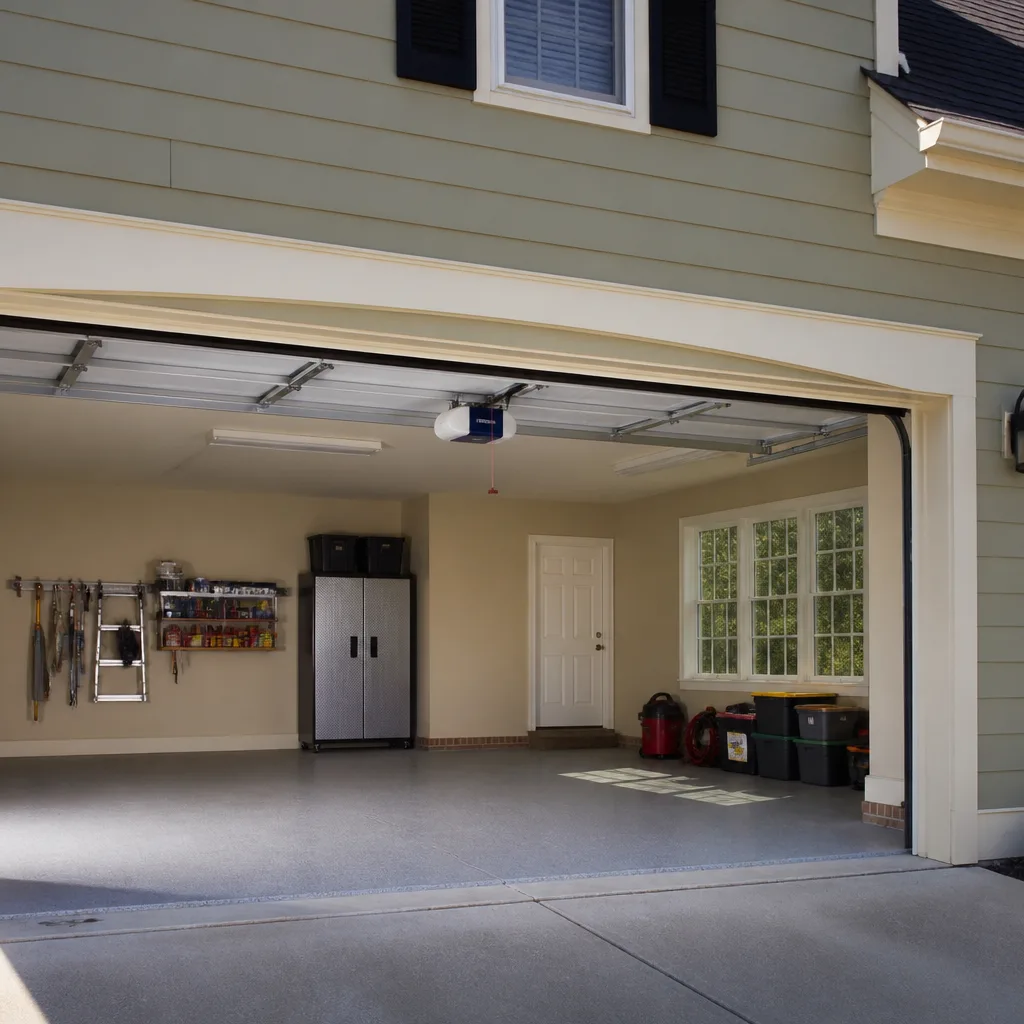 Chamberlain openers
Full 25-point door and opener safety check with every visit - springs, cables, rollers, tracks, and your LiftMaster or Chamberlain opener included
You get a price before we start. It does not change when the pro arrives.
Get your free estimateGarage Door Repair Maintenance Checklist for Delray Beach Homeowners
The most common maintenance mistake we see from Delray Beach homeowners is simple: they lubricate the rollers, listen for squeaks, and call it done. Meanwhile, the torsion spring anchor plates above their heads are quietly rusting through, because nobody told them the hardware contact points are the part that actually fails first in this climate. The roller lube feels productive. The anchor plate inspection feels invisible. One of those protects your door. We’ve watched enough of these cascade into full repairs to know which. In this guide, we’ll walk through the failure sequence specific to Delray Beach homes and give you a checklist built around that sequence, not a generic lubricate-and-listen routine.
Quick Answer
A garage door maintenance checklist for Delray Beach should prioritize salt-humid hardware inspection first, bottom seal and weatherstripping replacement second, and lubrication third. Check torsion spring anchor plates, bottom brackets, and cable drum set screws after every rainy season. Replace UV-degraded weatherstripping before the dry months. Lubricate with a silicone or lithium-based product, never standard WD-40, and re-check hardware contact points every few months. Hurricane seasoning matters here more than snowstorms do – January through May is your inspection window, June through November is when problems surface.
Styles & brands we work with
- Raised-panel steel
- Carriage house
- Modern flush
- Full-view glass
- LiftMaster openers
- Chamberlain openers
Table of Contents
- Why a Delray Beach Checklist Is Different
- The Maintenance Inspection Order That Matters
- The Hardware Points That Corrode Fastest Here
- Bottom Seals and Weatherstripping: The UV Problem
- Choosing the Right Lubricant for High Humidity
- Seasonal Timing for Delray Beach
- Your Monthly and Quarterly Checklist
- When to Call a Professional
Why a Delray Beach Checklist Is Different
Garage door maintenance advice written for Ohio or Colorado assumes a freeze-thaw cycle, dry winter air, and months where the door barely moves because it’s too cold to open it. None of that applies here. Delray Beach homes face warm, humid air year-round, a summer rainy season that pushes moisture into every gap, and UV load that never lets up. The problems that show up in a Delray Beach garage are corrosion-driven, not temperature-driven, and they arrive in a predictable order.
That order matters because it tells you what to check first. In our experience working on doors throughout Delray Beach, the failure sequence looks like this:
- First: Humidity and salt-laden air begin oxidizing exposed steel contact points – bottom brackets, end bearing plates, torsion spring anchor plates, cable drum set screws.
- Second: Rubber seals and weatherstripping absorb heat and UV, dry out, crack, and stop sealing. Water gets behind the door.
- Third: Moisture intrusion rusts the track seams and corrodes the opener’s internal chassis over a season or two.
- Fourth: Corroded hardware binds, calling on the opener to work harder than it should. The opener wears out faster than it ought to.
Every item in a good Delray Beach checklist interrupts this sequence at the point of failure, not after the first symptom. Interrupt at step one and you avoid steps two through four entirely. Wait until step four and you’re replacing components that a routine inspection would have saved.
We handle garage door repair across the full lifecycle for this exact reason – the maintenance steps that seem small are the ones that prevent the calls that feel big.
The Maintenance Inspection Order That Matters
If you do one thing every few months, do this: walk the door hardware in a fixed sequence so nothing gets skipped. A checklist that isn’t systematic isn’t really a checklist. Here’s the order that works for Delray Beach homes.
- Visual sweep first, tools second. Stand back and look at the closed door. Is it level? Do the panels sit flat? Any rust-colored streaks on the track or brackets? Look before you touch.
- Inspect torsion spring anchor plates and end bearing plates. These are the high-value points in this climate. Look for orange or brown oxidation, flaking paint, or white powdery residue at the contact points.
- Check bottom brackets. The metal brackets holding the bottom wheel to the door sit closest to the ground and pick up the most humidity off the slab.
- Examine cable drum set screws. Set screws work loose over time, especially when hardware starts to bind. Confirm they’re snug (not over-tightened).
- Run the door and listen. Grinding, squealing, thumping – each sound points somewhere specific. Grinding suggests track or roller issues; squealing suggests dry rollers; thumping suggests loose hardware.
- Test the safety reverse. With the door open a few feet, place an object in its path and close it. The door should reverse without contact. If it doesn’t, stop using the opener and call us.
- Check the bottom seal and weatherstripping. Look for cracks, curl, or a gap you can see daylight through.
This sequence runs front-to-back on the door system itself. It doesn’t need a torque wrench or specialty tools for the visual parts. The one place where you should stop and call a professional rather than proceed is spring inspection, and we’ll explain why below.
The Hardware Points That Corrode Fastest Here
Not every metal part on a garage door ages at the same rate in Delray Beach. Some sit in the humidity and UV with full exposure. Others are sheltered. Knowing which is which tells you where to spend your inspection time.
These are the four points we’ve seen corrode first in Delray Beach doors, ranked by how quickly they show it:
- Bottom brackets. Lowest on the door, closest to the ground, subject to whatever humidity settles at floor level. They oxidize first.
- End bearing plates. The plates at the top of each track hold the torsion shaft. They’re exposed to air on four faces and sit under the door’s horizontal span, which traps humid air in the morning.
- Cable drum set screws. Small, threaded, and precisely the kind of tiny steel point that rusts and then seizes. Once seized, the drum is harder to adjust without stripping.
- Torsion spring anchor plates. The center bracket that holds the torsion spring assembly. It’s under tension load and sees the most continuous weight, so any weakening from corrosion matters most here.
You can check each with a flashlight and a rag. Wipe, look for surface rust, and confirm the screw or bolt still turns freely. If a set screw won’t move or a bracket has visible flaking, we’d rather you call before forcing it. The cost of a hardware swap is far lower than the cost of a stripped drum or a snapped cable.
This corrosion check is also the best early detection method for upgrading decisions down the road. On our Delray Beach Garage Door Repair Pros page, we explain the difference between hardware that can be revived and hardware that needs replacing – the inspection you do now tells you which you’re dealing with.
Bottom Seals and Weatherstripping: The UV Problem
Florida UV is relentless on rubber and vinyl. A bottom seal that would last five seasons in a northern state often shows cracking or hardening here in two or three. The seal is easy to overlook because it’s at floor level and doesn’t announce itself with a sound. But a failed seal starts a chain reaction that’s expensive to reverse.
Here’s how the chain works. UV-degraded rubber cracks. Cracks let rainwater and humidity past the door into the garage. Standing moisture at the threshold rusts the bottom brackets and the base of the track. The opener then has to push through slight resistance caused by swollen weatherstripping, which wears it internally. One bottom seal, replaced on time, prevents all three.
Here’s how to inspect yours:
- Close the door and stand inside the garage with the lights off.
- Look for any light coming through under the door or around the sides. Daylight means the seal has failed somewhere.
- Run your finger along the bottom seal. It should feel supple, not brittle or slick. If it’s cracking or hardened, it’s past its service life.
- Check the side weatherstripping for the same – curled edges, gaps, and hard rubber all mean the same thing.
- Confirm the perimeter seal still compresses against the door when closed. If it’s flattened out, it isn’t sealing.
Replacement is a job most homeowners can tackle with a fresh length of seal and a track-mounted retainer, though if the door is an Amarr or Wayne Dalton with a proprietary bottom astragal, it’s worth confirming the right replacement part before you order. We keep those specifics on file – most Delray Beach doors we see use standard profiles, but a mismatched seal is a waste of an afternoon. Once the seal is right, the door sits quieter and the whole system below it lasts longer.
Choosing the Right Lubricant for High Humidity
This is where we see the most well-intentioned damage. Standard WD-40 is a penetrating oil and solvent, not a lubricant designed for garage door hardware in high-humidity climates. It displaces moisture short-term and feels slick for a week. Then the solvent evaporates, the light oil film wears off, and the rollers or hinge pins stick worse than before. Over months repeated use, it can actually speed corrosion on certain components because the protection layer never really forms.
What you want in Delray Beach is a product that clings and doesn’t wash away:
- Silicone-based lubricant for hinges, rollers, and the torsion shaft bearings. It handles humidity without collecting dust.
- White lithium grease for the opener’s chain or the screw-drive rail. It’s thicker, sticks in place, and won’t attract the fine dust that comes off a Delray Beach yard.
- Skip the WD-40 for anything that needs long-term lubrication. Keep a can around for loosening a rusted bolt, not for routine maintenance.
Apply sparingly. A light coating is the goal; excess lubricant collects grit from the air and turns into a grinding paste on the rollers. One short burst per hinge pin and per roller stem, once every few months, is enough. Wipe off any runs.
If your opener itself is struggling – running rough, slowing down, or failing to hold a setting – the lubrication won’t fix it. That’s when it’s time for garage door opener repair. The brands we work on most in Delray Beach homes include LiftMaster, Chamberlain, Genie, and the older Craftsman units that have been running for a long time. We work on the opener brand you already have, which is a practical advantage when the issue is firmware or a specific motor type.
Seasonal Timing for Delray Beach
Timing your maintenance tasks to the actual Delray Beach weather calendar gets more done with less effort than working from a generic seasonal schedule. The South Florida year splits roughly into a dry season and a wet season, and the checks belong in the transitions.
- January through May (dry season, pre-hurricane season): This is the inspection window. Hardware corrosion checks, spring inspection, track and roller condition, bottom seal condition, opener battery replacement. Get everything evaluated before the summer rain arrives. This is also when we do most of our non-emergency checklists for Delray Beach homes.
- Late May, before hurricane season: Do a final hardware-and-fastener check. Confirm every bracket bolt, end bearing plate bolt, and hinge screw is snug. Confirm the door latches and the manual release works. If your door is impact-rated, confirm the label is still legible. We are closed on Saturday but can handle emergency calls other days.
- June through November (rainy and hurricane season): Watch more than you fix. After a heavy rain, look for water intrusion at the threshold and rust streaks on brackets. Look at the opener’s response time. This is the season where problems surface, and where our garage door installation conversations often begin after a door reaches the end of its service life.
- December (transition): Post-hurricane-season inspection. Same hardware sweep as the spring check, with extra attention to anything the season stressed.
None of these are hard deadlines. They’re the windows that work best in this climate, when humidity is lower and the checks are easier to do comfortably. Move them a month in either direction if it fits your schedule better.
Your Monthly and Quarterly Checklist
Here’s the practical version: what to do monthly, what to do quarterly, and what to do once a year. Give yourself fifteen minutes a month and you’ll never get caught by surprise.
Every month:
- Run the door through a full open-close cycle. Listen for new sounds.
- Test the safety reverse with an object in the door’s path.
- Look at the door closed from outside. Is it level? Are the panels flush?
- Wipe down the bottom brackets and torsion anchor plate with a dry rag to remove surface humidity film.
Every quarter:
- Lubricate hinges, rollers, and torsion shaft bearings with silicone lubricant.
- Lubricate the opener chain or screw rail with white lithium grease if applicable.
- Check all fasteners. Tighten any that have worked loose, without overtightening.
- Inspect the bottom seal and side weatherstripping for cracking or gaps.
- Check the opener’s light and safety sensor alignment.
Once a year (target the January through May window):
- Full hardware corrosion inspection – all four high-priority points from above.
- Balance test: with the door roughly halfway open, disconnect the opener and check whether the door stays in place. A door that drifts means spring tension issues.
- Replace the opener’s backup battery if it’s more than a year old.
- Full track sweep for debris, loose bolts, and any signs of bending.
- Spring inspection – and here, call us. We’ll explain why below.
See the difference
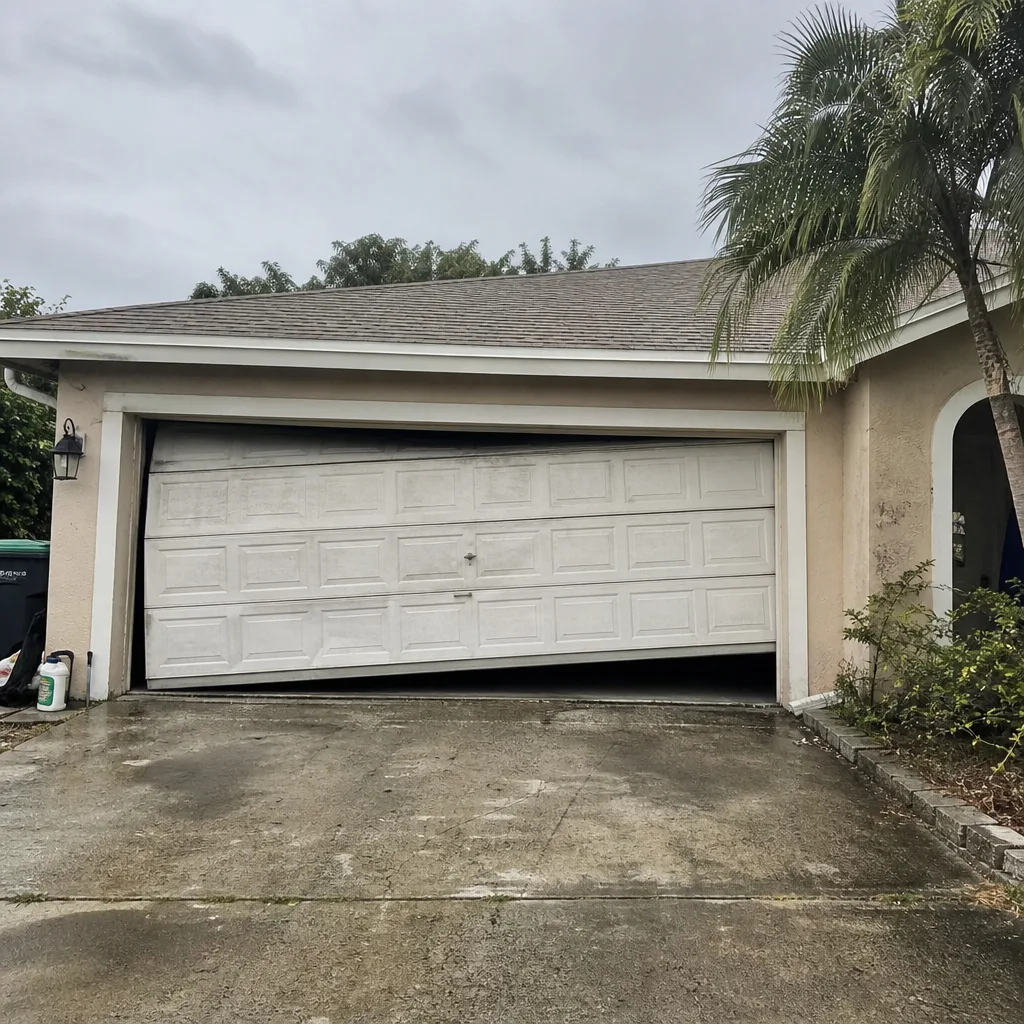 Before
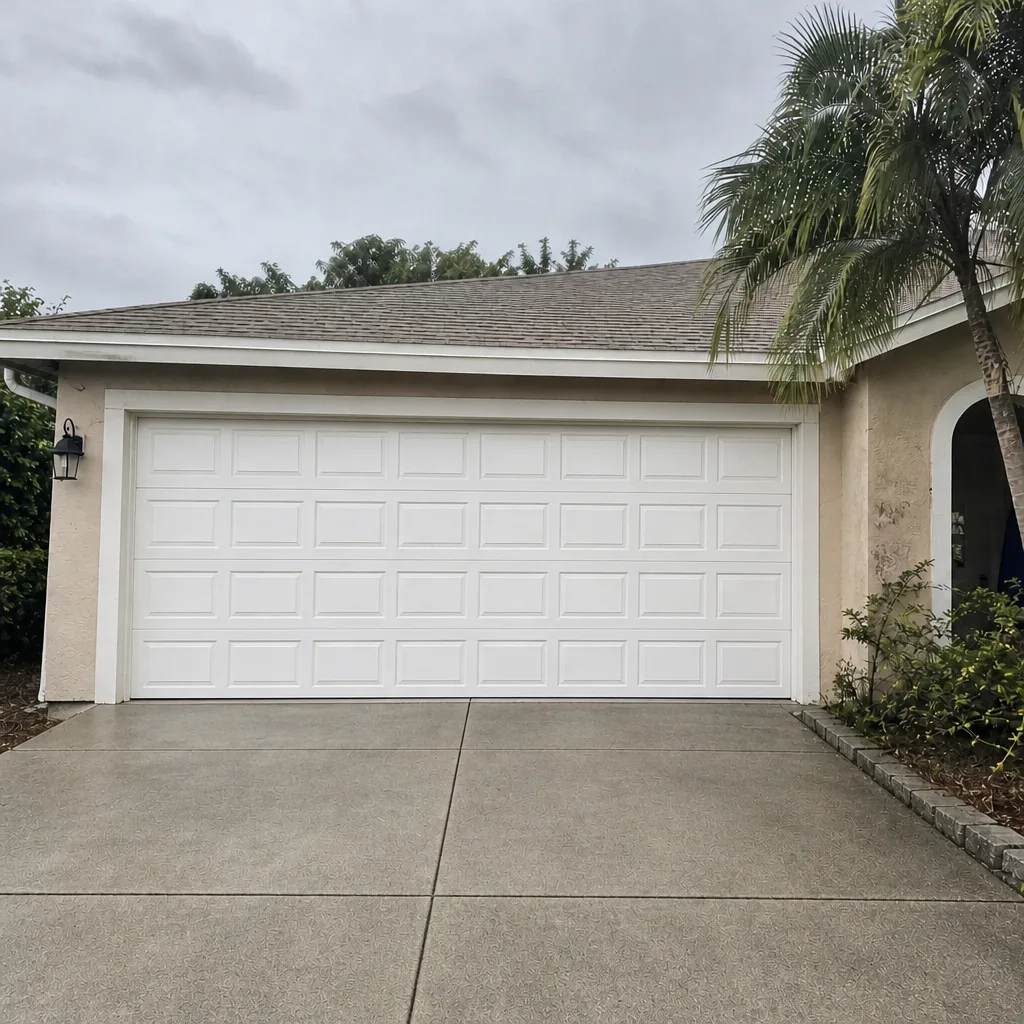 After
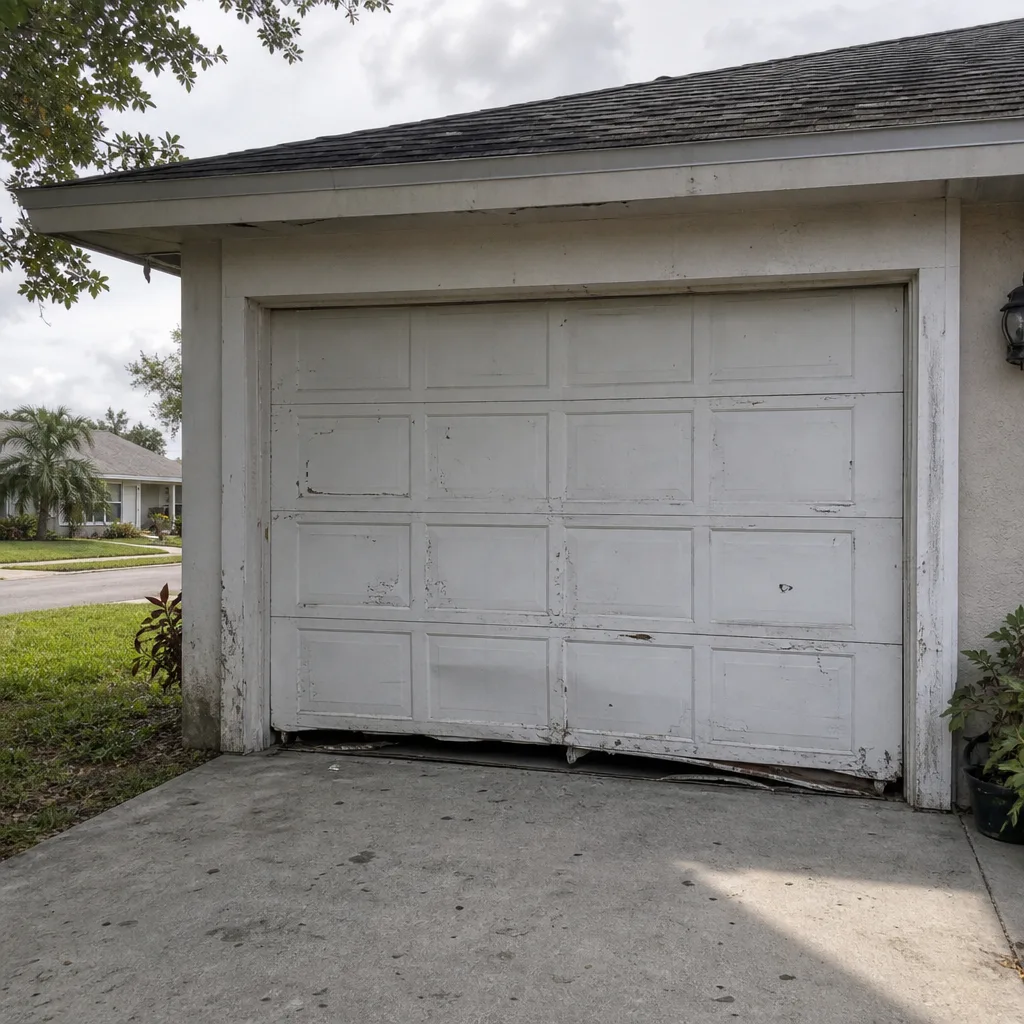 Before
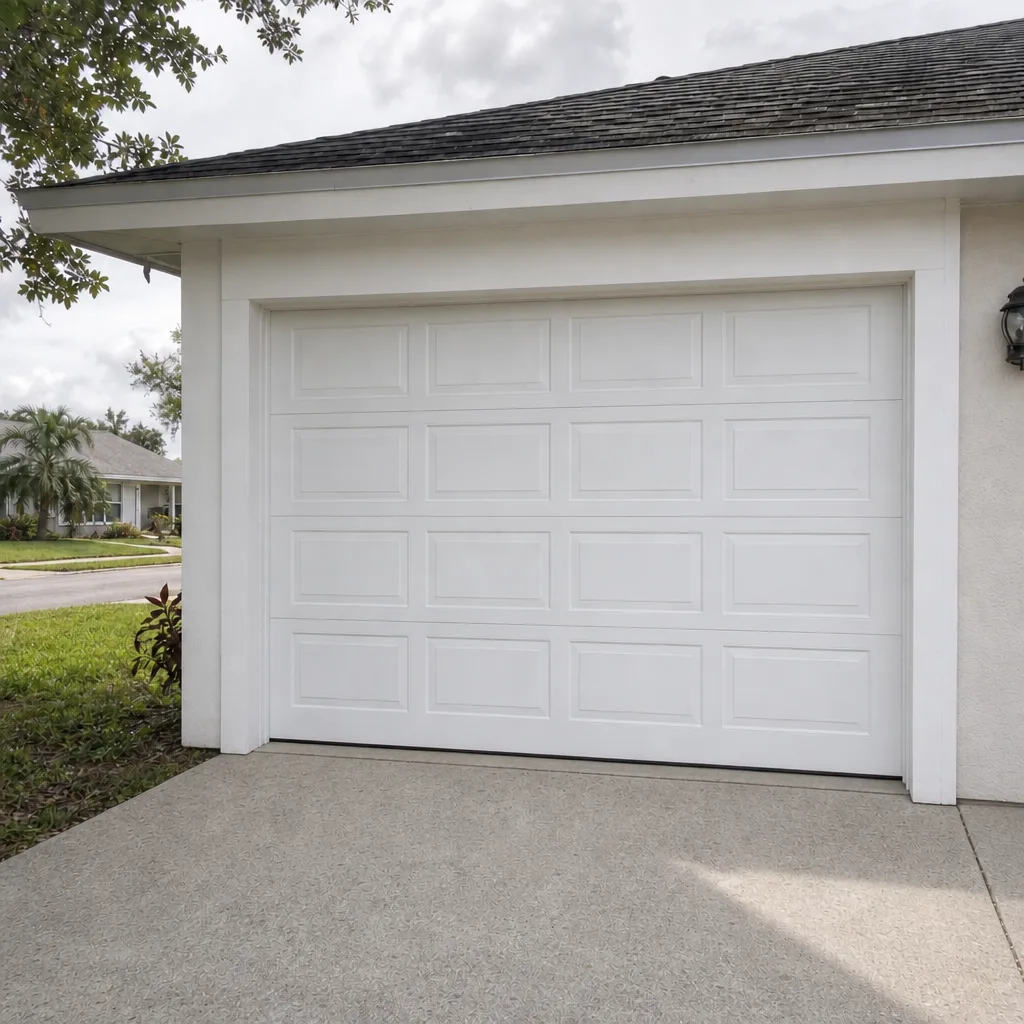 After
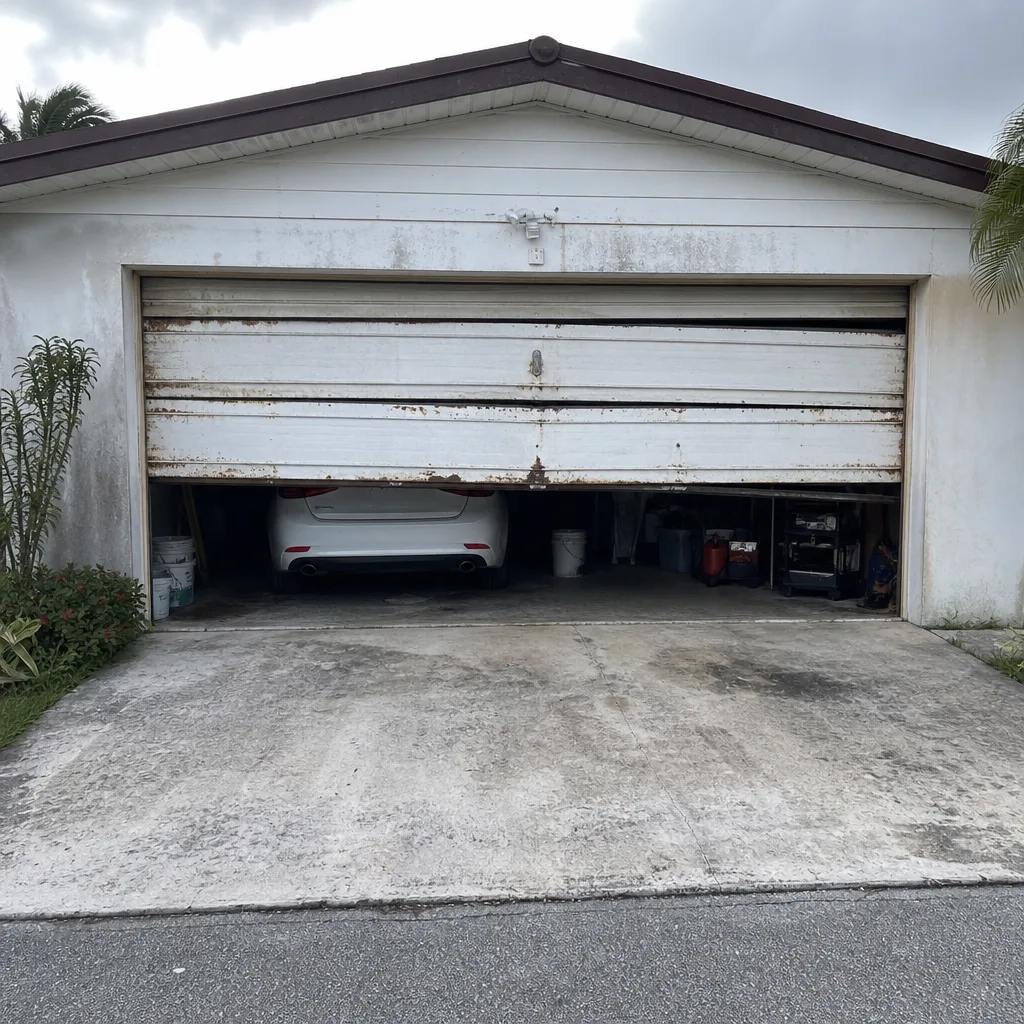 Before
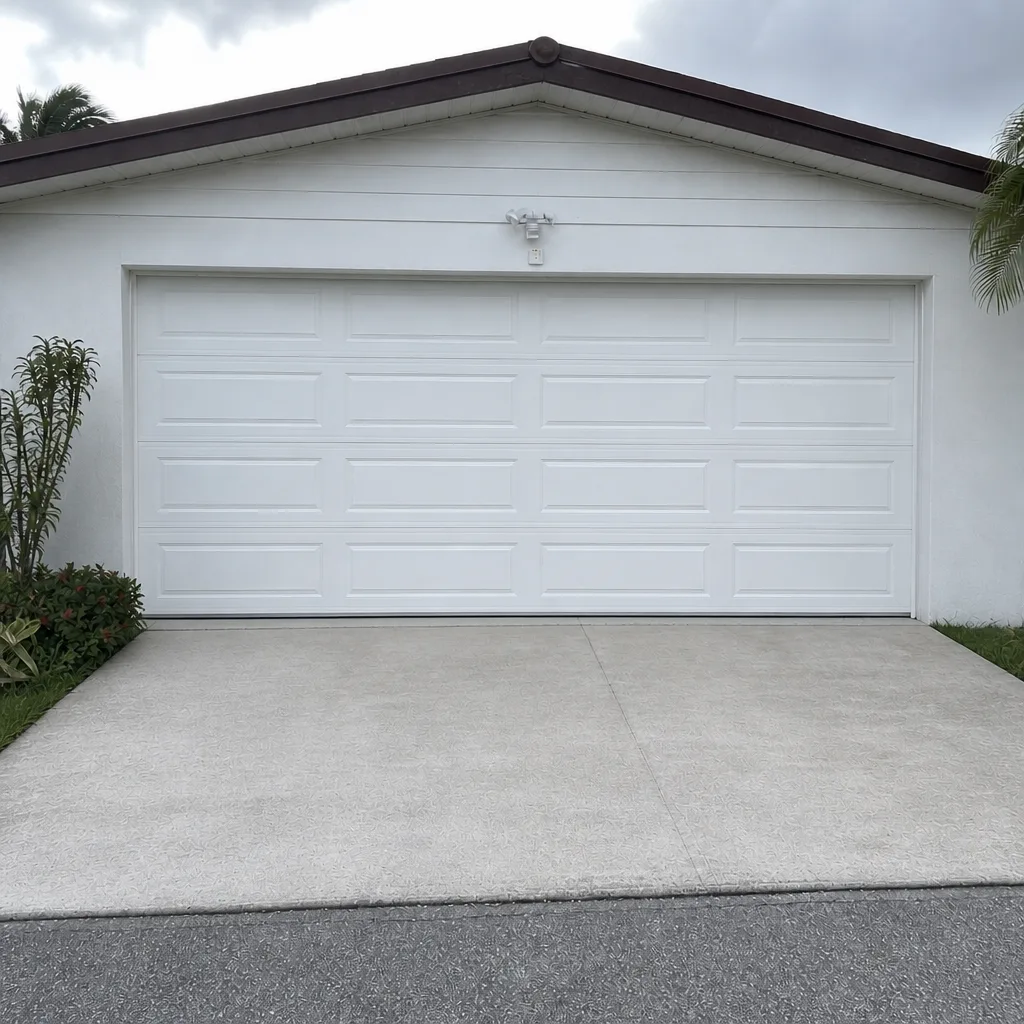 After
Common Mistakes to Avoid
- Lubricating and calling it maintenance. Lubrication is one step out of a dozen. It’s the easiest one to see and feel, so it’s the one homeowners default to. Put it last on your list, not first.
- Using standard WD-40 as a garage door lubricant. It’s not designed for long-term protection in humid climates, and repeated use can leave hardware less protected than before. Save it for loosening bolts.
- Skipping the hardware sweep after the rainy season. This is the single most common miss in Delray Beach. Corrosion compounds fastest right after the wet months, and that’s exactly when nobody thinks to look at the brackets.
- Ignoring a small bottom seal crack. It looks cosmetic. It’s the first step in the failure sequence. A small seal crack leads to water intrusion, which leads to rusted tracks, which leads to premature opener wear.
- DIY spring adjustments. Torsion springs are stored energy; adjusting them is not a homeowner project, no matter how many videos you watch. If the spring is visibly corroded or the door feels unbalanced, call us. We’ll do the diagnosis and the work safely.
- Overtightening fasteners. After a corrosion check, the instinct is to tighten everything down hard. Set screws, end bearing plate bolts, and hinge screws are all sized for a specific load. Snug, not slammed.
- Replacing an opener before the door has been evaluated. A slow opener is often a symptom of a binding door, not a failing motor. Diagnose the door first. We see this frequently on Delray Beach calls where replacing the opener would have been the wrong repair entirely.
When to Call a Professional
Most of this checklist is fine to do yourself with a flashlight, a rag, and a can of silicone spray. There are specific situations where calling us earlier saves money and prevents injury. Spring work is the most important one. Torsion springs store enough force to cause serious injury, and even extension springs under tension are not a homeowner repair. Corrosion on the anchor plate, a visibly sagging door, or a door that suddenly won’t balance are all signs the spring assembly is compromised, and no internet guide changes that calculation.
Other situations where we want to hear from you: the door is off its track, the opener is straining or reversing without reason, the safety reverse test fails, or you’ve noticed rust streaks extending beyond the hardware onto the door panels or track itself. In those cases, the fix is more involved than routine maintenance, and a diagnostic visit is cheaper than trial and error.
Delray Beach Garage Door Repair Pros offers free estimates in Delray Beach – call (855) 393-4914. We handle spring repair, opener diagnosis, and full door evaluation across all the major brands, and we’ll quote the price in writing before any work begins.
The trade-off is simple: a well-maintained door in Delray Beach typically lasts far longer between major repairs. Our technicians have up to 10 years of experience, and the biggest pattern across those years is that the doors that get the hardware sweep done faithfully are the ones that don’t call us until they’re ready for a new door, not an emergency repair.
Frequently Asked Questions
Every three to four months is right for most Delray Beach homes. The humidity here doesn’t evaporate lubricant the way dry heat does, so it stays on longer than you’d expect, but the exposure to moisture and airborne particles means it also collects grit faster. Wipe the surfaces first, apply a light coat of silicone lubricant, and wipe off any excess. Don’t overthink it – the failure mode is almost always under-lubricating, not over-lubricating, provided you use the right product.
Bottom brackets, end bearing plates, and cable drum set screws corrode fastest. These are the low-lying or continuously exposed steel contact points that hold humidity film and salt-laden air the longest. Torsion spring anchor plates are the fourth fastest and the most important to check, because corrosion there weakens a component under constant tension load. Inspect all four after every rainy season and you’ll catch problems before they cause visible symptoms.
No, not as a routine lubricant. Standard WD-40 is a penetrating oil and solvent, not a long-term lubricant. It feels effective for a few days, then the solvent evaporates and the light oil film wears off. Repeated use in high-humidity climates can leave the hardware actually less protected than before. Use silicone-based lubricant for rollers and hinges, and white lithium grease for the opener chain or screw rail.
Replace them when you can see daylight through the seal or feel cracking when you run your finger along the rubber. In Delray Beach, that typically hits sooner than most homeowners expect because UV load is high year-round. Inspect the bottom seal every quarter. If it looks hard, cracked, or flattened, replace it before the next rainy season. The seal protects everything downstream – the hardware, the track, and the opener.
January through May is the best window. That’s the dry season, right before hurricane season, and it’s when hardware inspection and repair are most comfortable and most useful – you’re getting ahead of the humidity rather than reacting to it. We can do the same work other months. But if you can pitch your annual maintenance into that window, do it. The post-rainy-season check (December) is the second-best window and covers anything the summer stressed.
Call us for a diagnostic. Surface rust on a bracket or set screw is often fixable with a hardware swap; deeper corrosion on the anchor plate or the drum requires a closer look. Don’t try to sand off the rust and keep running the door – the metal underneath may already be weakened. Most of our Delray Beach repair calls start with a hardware evaluation for exactly this reason, and the price range for the repair is a fraction of what a full spring or cable failure costs. Call (855) 393-4914 for a free estimate.
The Bottom Line
Delray Beach garage doors don’t fail from cold or snow. They fail from humidity, UV, and the corrosion that follows. The maintenance checklist that works here looks different from a generic one: it starts with the hardware contact points, runs through the seals and weatherstripping, and ends with lubrication – in that order. Do the monthly safety test, the quarterly lubrication, and the annual hardware sweep in the January through May window, and you’ll interrupt the failure chain before it costs you a spring, track, or opener. Call (855) 393-4914 when you’re ready for the diagnostic, and we’ll give you a written estimate before any work starts.
Written by the team at Delray Beach Garage Door Repair Pros.